
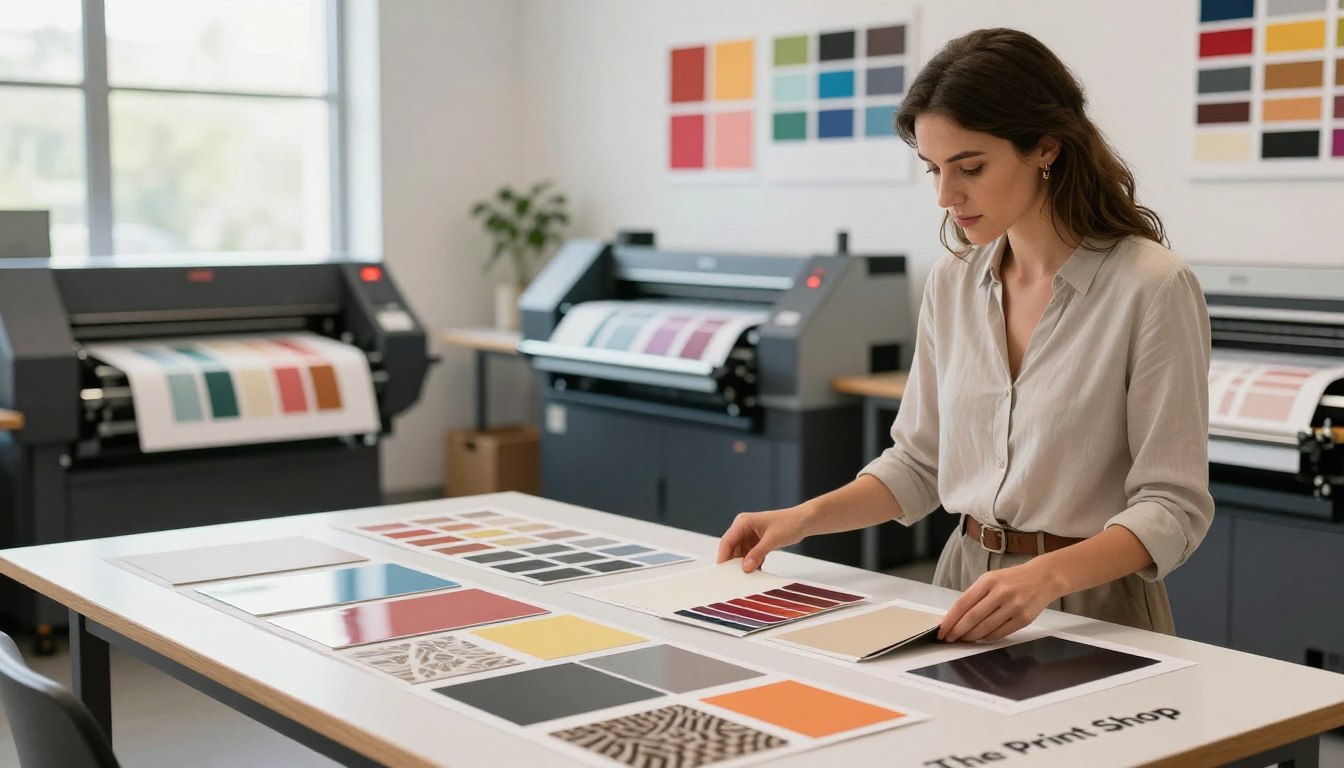
The finishing technique you choose shapes how people experience your brand. A well-selected print finish can make your project stand out. It makes it more engaging and memorable for your audience.
At our printing service, we know how important it is to get it right. That’s why we’re here to guide you. Whether you want to make a lasting impression or ensure your materials look great, we’re committed to helping you achieve your goals.
To start, think about what you want to achieve with your project. Consider how a certain print finish can help. If you’re unsure, we’re here to help. Feel free to contact us at 435-723-4200 or email us at design@tpsbc.com for professional advice.
Key Takeaways
- Selecting the right print finish is crucial for your project’s success.
- A well-chosen finish can enhance your brand’s image and customer experience.
- Consider your project goals when deciding on a print finish.
- Professional advice is available to help you make the best choice.
- Contact us for personalized guidance on choosing the perfect print finish.
Understanding Print Finishes and Their Importance
Knowing about print finishing options is key to making your printed stuff look great. These finishes make your materials look better and last longer.
What Are Print Finishes?
Print finishes are ways to make printed stuff look and feel better. They can be simple or complex, like embossing and debossing. These add texture and quality to your designs.
Why Print Finishes Matter for Your Project
Print finishes are important because they change how people see your project. The right finish can make your brand look better. For example, glossy finishes make colors stand out, while matte finishes give a sleek look.
Impact on Visual Appeal and Durability
The right finish can make your printed stuff look better and last longer. Varnishing or laminating, for example, protects your prints from damage. This makes them last longer.
| Print Finish | Visual Appeal | Durability |
|---|---|---|
| Varnish | Enhances colors | Protects from wear |
| Lamination | Gives a professional look | Highly durable |
| Embossing | Adds texture | Moderately durable |
Need help picking the right print finish for your project? Contact us for a consultation. We’re here to help you choose the best option for your printing needs.
Types of Print Finishes: A Comprehensive Overview
To choose the right print finish, you need to know your options. Print finishing makes your materials look better and last longer. It makes them more interesting and durable.
Coating Finishes
Coatings like varnish, aqueous, and UV protect and enhance your prints. Varnish coatings can be glossy or matte. Aqueous coatings are eco-friendly and add a slight shine. UV coatings are tough and protect against damage.
Lamination Options
Lamination adds a protective layer to your print. You can choose from gloss, matte, and soft touch finishes. Gloss lamination makes prints shiny. Matte lamination reduces glare and looks sophisticated. Soft touch lamination makes prints feel luxurious.
Specialty Finishes
Specialty finishes like foil stamping, embossing, and debossing add unique touches. Foil stamping uses metallic foil for striking designs. Embossing and debossing create three-dimensional effects.
Emerging and Trending Finish Techniques
New trends in print finishing are always coming up. Techniques like spot varnishing and textured finishes are becoming popular. They offer fresh ways to make your prints pop.
Knowing about different print finishes helps you pick the best one for your project. This choice can make your project look better and last longer.
Assessing Your Project Requirements
Understanding your project’s needs is key to picking the right print finish. You must evaluate several important factors. These will help you choose the best print finish for your project.
Identifying Your Project Goals and Purpose
First, define your project’s objectives. Are you making marketing materials, packaging, or business stationery? Your project’s purpose greatly affects the print finish choice. For example, glossy finishes are great for marketing brochures to catch the eye. On the other hand, matte finishes are better for a classy, elegant look.
Considering Your Target Audience
Your target audience is crucial in picking the right print finish. Think about their preferences, age, and how they’ll see your materials. For instance, younger people might like shiny, glossy finishes. But, a professional audience might prefer a soft, matte finish.
Determining Budget Constraints
Cost is a big factor in choosing a print finish. Different finishes cost different amounts. For example, fancy finishes like foil stamping or embossing are pricier than basic varnish or lamination. Knowing your budget helps you choose within your means.
Timeline Considerations
Also, think about your project’s timeline. Some finishes take longer to make because they involve extra steps. If you’re tight on time, choose a simpler finish or plan early to meet your deadline.
| Project Factor | Considerations | Impact on Print Finish |
|---|---|---|
| Project Goals | Purpose, desired impression | Finish type (glossy, matte, etc.) |
| Target Audience | Age, preferences, context | Finish appeal and effectiveness |
| Budget | Cost constraints | Finish cost and value |
| Timeline | Production time, deadlines | Finish complexity and lead time |
By carefully looking at these factors, you can choose the best print finish for your project. This ensures it meets your goals, appeals to your audience, and stays within your budget and timeline.
How to Choose Print Finishes Based on Print Materials
Knowing how different print materials react to finishes is crucial. The right finish can make your prints look better and last longer. But, it all depends on the material you choose.
Paper Types and Compatible Finishes
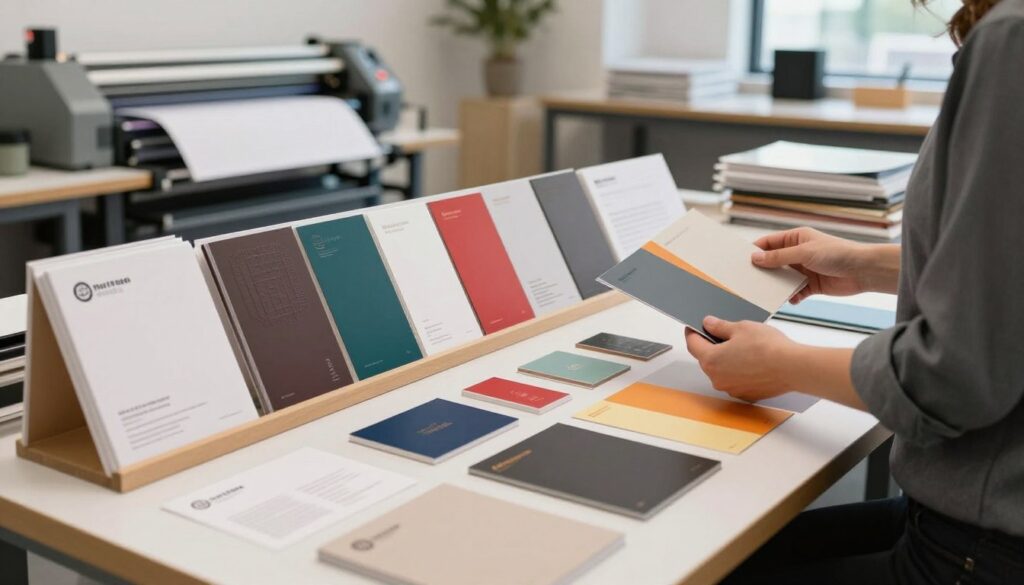
Different papers react differently to finishes. For example, glossy paper looks great with varnish or UV coating. It makes colors pop and adds protection. On the other hand, matte paper is better with aqueous coating or soft touch lamination. It gives a nice feel.
| Paper Type | Compatible Finishes |
|---|---|
| Glossy | Varnish, UV Coating |
| Matte | Aqueous Coating, Soft Touch Lamination |
| Textured | Spot Varnish, Embossing |
Non-Paper Substrates and Finish Options
For non-paper materials like plastic, metal, or fabric, choosing the right finish is key. For instance, plastic substrates can get a boost from lamination for extra toughness. Metallic substrates might need special coatings to stop rust.
Material-Finish Interaction Considerations
It’s important to think about how materials and finishes interact. Some materials might not stick well to certain coatings, or they could react badly. Knowing this helps pick finishes that look good and work well.
Testing Finishes on Your Selected Materials
Always test the finish on your material before a big print job. This makes sure it works well and saves you from expensive reprints. Testing also lets you see how the finish affects the material’s look and durability.
By picking the right finish for your material, you can make your project look professional and stand out. The best print finishing techniques are those that match the material and improve the print’s quality.
Matching Print Finishes to Different Project Types
Choosing the right print finish is crucial for your project’s success. Each project has its own needs for look and function. We’ll show you how to pick the best finish for your project.
Business Cards and Stationery
Business cards and stationery need a professional touch. Matte or soft-touch finishes give a premium feel and resist fingerprints. A spot varnish can highlight important parts like logos or text.
Brochures and Marketing Materials
Brochures and marketing materials should stand out. A glossy finish makes colors and images vibrant. A matte finish adds a sleek look. Mixing finishes, like gloss varnish over matte laminate, adds interest.
Packaging and Product Labels
Packaging and labels need to be durable. A laminated finish guards against moisture and wear. A varnish adds protection and shine. A soft-touch finish offers a luxurious feel.
Books and Publications
Books and publications should be easy to read and last long. A matte finish reduces glare and improves readability. A linen finish adds a special texture.
Large Format Printing
Large prints, like banners and posters, need a tough finish. A glossy laminate boosts colors and protects from the weather. A matte laminate cuts down on glare.
Choosing the right print finish is key to your project’s success. We’re here to guide you through the options. Your project will look its best with our help.
Environmental Considerations When Selecting Print Finishes
The print finish you choose can greatly affect your project’s environmental impact. It’s key to think about the ecological footprint of your choices.
Eco-Friendly Finish Options
Eco-friendly print finishes aim to reduce environmental harm. They include aqueous coatings, recycled materials, and biodegradable finishes. Aqueous coatings, for example, are water-based and safe, better than traditional varnishes.

Recyclability and Sustainability Factors
When picking print finishes, look at their recyclability and sustainability. Some finishes can harm recycling or not break down. We need to check the environmental impact of our choices.
| Finish Type | Recyclability | Sustainability |
|---|---|---|
| Aqueous Coating | High | High |
| UV Coating | Low | Low |
| Lamination | Variable | Variable |
Balancing Environmental Impact with Project Needs
It’s important to balance environmental concerns with your project’s needs. Eco-friendly options are good, but they must also meet your project’s look and durability needs.
Communicating Green Choices to Your Audience
Telling your audience about your green choices can boost your brand’s image. Showing you care about the environment can attract eco-conscious buyers.
Cost Analysis of Different Print Finishing Techniques
When planning your print project, it’s vital to consider the costs of different finishing techniques. The finish you choose can significantly impact the overall cost and effectiveness of your project.
Budget-Friendly Finish Options
For projects with tight budgets, there are several budget-friendly finish options. Aqueous coating and spot varnish are cost-effective ways to enhance the appearance of your prints without breaking the bank. These finishes can add a professional touch to your materials while keeping costs under control.
Premium Finishes and Their Value Proposition
Premium finishes like foil stamping and embossing can elevate your brand’s image and make your materials stand out. While these techniques are more expensive, they offer a unique value proposition by creating a lasting impression on your audience.
Calculating ROI for High-End Finishes
To justify the cost of high-end finishes, it’s essential to calculate the return on investment (ROI). Consider how these finishes will impact your brand’s perception and the response they elicit from your target audience. By quantifying the benefits, you can make a stronger case for investing in premium finishes.
Planning for Finish Costs in Your Project Budget
To avoid cost surprises, it’s crucial to plan for finish costs early in your project budget. We recommend allocating a specific portion of your budget for finishing techniques and exploring options that balance cost with the desired impact.
Common Print Finish Combinations and Their Effects
Knowing how to mix print finishes is key to making your materials look great. Different finishes can add depth and class to your work.
Complementary Finish Pairings
Some finishes go well together, making your materials pop. For example, glossy lamination and spot varnish create a striking look. This highlights certain parts of your design.
Layering Techniques for Maximum Impact
Using different finishes together can make your designs more interesting. Mixing foil stamping with embossing adds a luxurious feel. For more on choosing the right paper finish, check out our guide on tips to choose the right paper finish for spiral-bound.
Avoiding Finish Compatibility Issues
Not all finishes work well together. Always test different combinations to avoid problems. Some finishes might not stick to certain papers or react badly when layered.
Case Studies: Successful Finish Combinations
| Finish Combination | Effect | Application |
|---|---|---|
| Gloss Lamination + Spot Varnish | Contrasting finishes create visual interest | Brochures, Marketing Materials |
| Foil Stamping + Embossing | Luxurious, tactile effect | Business Cards, Stationery |
| Matte Lamination + Debossing | Sophisticated, subtle appearance | Books, Packaging |
Understanding print finish combinations can help you improve your projects. Try out different pairings and layering to get the look you want.
Working with Print Professionals: Questions to Ask
Talking well with print experts is key to a great print project. It’s important to ask the right questions to get the best results.
Consulting with Your Printer About Finish Options
Talk to your printer about what you need for your project. Ask about different finishes and what they suggest for your project. For example, you can ask about varnish or aqueous coatings to make your project look better.
For more info on picking the right paper weight, check out our guide on how to choose the right paper.
Requesting Samples Before Committing
Getting samples before a big print run is a smart move. Ask your printer for samples of different finishes on your chosen material. This lets you see and feel the finish before you decide.
Understanding Production Requirements and Limitations
Knowing what your chosen finish needs is important. Talk to your printer about their equipment and any limits. This helps you make good choices and avoid surprises.
| Finish Type | Production Requirements | Potential Limitations |
|---|---|---|
| UV Coating | Specialized equipment for curing | May not be suitable for all paper types |
| Foil Stamping | Requires metallic foil and heat | Can be expensive for small quantities |
| Lamination | Needs laminating equipment | May affect recyclability |
Communicating Your Vision Effectively
To make sure your printer gets your vision, talk clearly and give them all the details. Use pictures or mock-ups to show your ideas. By working well with your printer and asking the right questions, you can get a print finish that looks great and makes your project stand out.
Conclusion: Making Your Final Decision
Choosing the right print finish can make your project stand out. Think about your goals, who you’re reaching out to, and your budget. This helps you pick a finish that looks good and lasts long.
We’ve looked at different print finishes, like coatings and special effects. We’ve also talked about how important it is to know what you need and work with experts. This way, you get the best results for your project.
When you decide on a print finish, think about the environment and cost too. This way, you get a top-notch finish that also fits your brand’s values.
Need help choosing the right print finishes? Contact us. Our team is ready to help you show off your brand in the best way possible.