
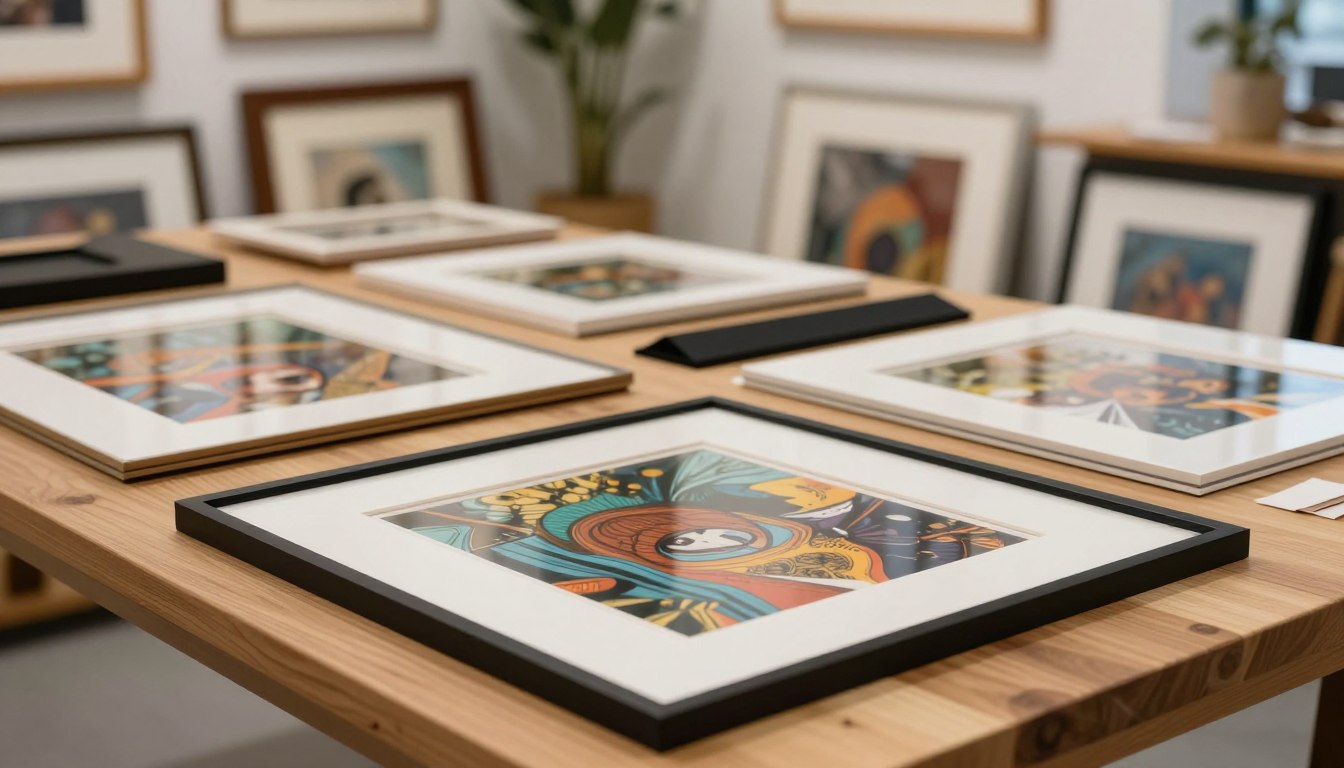
Knowing how to frame your artwork right is key to keeping it safe. At The Print Shop, we’ve been helping Brigham City, UT since 2002. We offer top-notch framing services to shield your prints from harm and fading.
Proper framing is vital for your art’s health. If you need design help, call us at 435-723-4200 or email design@tpsbc.com. We’re open 9 AM to 5 PM, Monday to Friday.
Choosing the best framing methods can make your prints last longer. At The Print Shop, we’re all about keeping your artwork in top shape.
Key Takeaways
- Framing is crucial for protecting prints from damage and fading.
- Proper framing techniques can extend the life of your artwork.
- The Print Shop offers high-quality framing services in Brigham City, UT.
- Contact us for design inquiries and framing needs.
- Our team is dedicated to preserving your art with expert framing.
The Vulnerability of Unprotected Prints
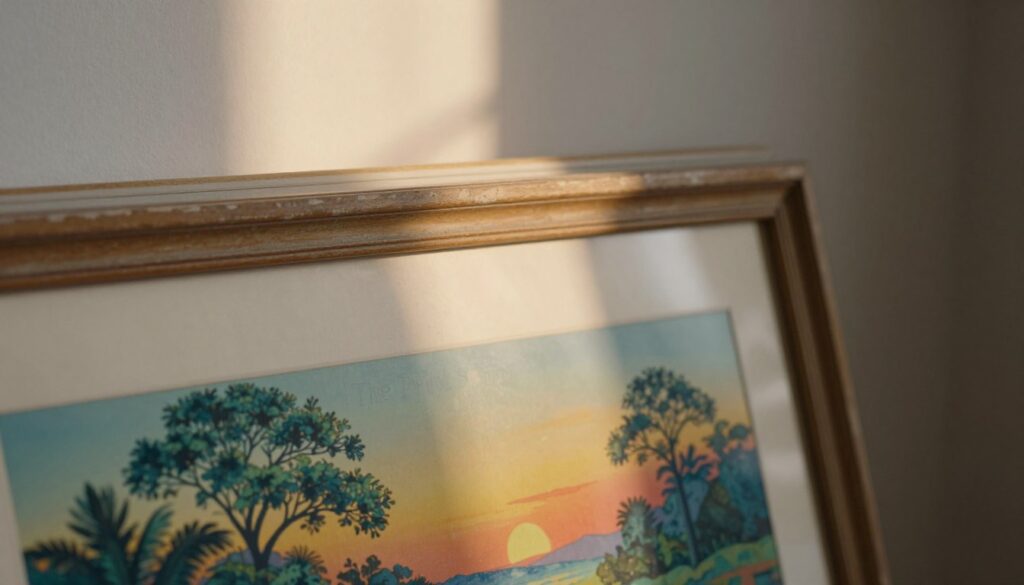
Unprotected prints face many dangers that can harm them forever. Without proper framing, they are open to threats that can shorten their life and quality.
Common Types of Print Damage
Prints can get damaged in many ways, like tears, creases, and fading. Common dangers include sunlight, humidity, temperature changes, dust, knocks, and framing mistakes. These can greatly shorten a print’s life.
| Type of Damage | Cause | Effect on Print |
|---|---|---|
| Fading | Sunlight, UV Light | Loss of color vibrancy |
| Tears, Creases | Physical handling, storage | Physical damage, aesthetic impact |
| Deterioration | Humidity, temperature fluctuations | Material degradation |
Environmental Factors That Cause Fading
Environmental factors greatly affect print fading. Sunlight and UV light are major causes, breaking down pigments and dyes. Humidity and temperature changes also harm print materials.
The Lifespan of Unframed vs. Framed Prints
Framing greatly increases a print’s lifespan by shielding it from harm. Experts say framing protects art from light, dust, and humidity, enhancing its look. Framed prints can last decades longer than unframed ones, making framing a smart choice for preserving art.
Understanding How Framing Protects Prints

Framing is key to keeping your prints safe for a long time. It’s not just about making them look good. It also protects them from damage caused by the environment and accidents.
Physical Protection Mechanisms
Framing creates a shield around your prints. It keeps them safe from dust, moisture, and accidental damage. The frame acts like a protective shell, guarding your prints from harm.
UV and Light Protection
Framing also blocks harmful UV rays and light. This helps prevent your prints from fading or changing color. So, your prints stay bright and clear for a long time.
Humidity and Temperature Control
Good framing can also control the environment around your prints. Using acid-free materials and sealing the frame helps manage humidity and temperature. This extra protection keeps your prints safe.
| Protection Mechanism | Benefit |
|---|---|
| Physical Barrier | Protects against dust and accidental damage |
| UV-Protective Glazing | Prevents fading and discoloration |
| Environmental Control | Regulates humidity and temperature |
Knowing how framing protects your prints helps you choose the right framing. This way, your prints will stay in great shape for many years.
Essential Framing Materials for Print Protection
To keep your prints looking great, picking the right framing materials is key. The right stuff can really help protect your prints from harm.
Conservation-Grade Matting Options
Conservation-grade mats are vital for keeping prints safe. They’re made from top-notch, acid-free stuff that stops chemical damage. Look for mats with a lignin-free, buffered core for the best protection.
Glass and Acrylic Glazing Considerations
For glazing, you can choose between glass and acrylic. Glass is clear and blocks UV rays well. Acrylic is lighter and breaks less easily, perfect for big or heavy frames.
Acid-Free Backing Boards
Acid-free backing boards are also key for print protection. They stop acid from moving and causing damage or color changes. Using these boards keeps your prints looking good for a long time.
Frame Types and Their Protective Properties
The frame you pick affects how well it protects your print. Shadow box frames, for example, add extra depth. This is great for thicker or more complex items.
| Framing Material | Protective Properties |
|---|---|
| Conservation-Grade Matting | Prevents chemical damage, acid-free |
| UV-Protective Glazing | Blocks harmful UV rays, reduces fading |
| Acid-Free Backing Boards | Prevents acid migration, reduces discoloration |
Choosing the right framing materials helps protect your prints from damage and fading. This way, they stay vibrant and valuable in your collection for years.
How to Protect Prints with Framing: A Step-by-Step Guide
To keep your prints looking great, follow our framing guide. Framing does more than make your prints look good. It also protects them from damage and fading. Knowing the right techniques and materials helps your prints last longer.
Preparing Your Print for Framing
First, prepare your print. Gently clean it to remove dust or debris. Use a soft brush or a cleaning cloth to avoid scratches. If your print is very valuable, get advice from a professional conservator.
Selecting the Right Materials
The materials you choose are key to protecting your prints. Use conservation-grade materials like acid-free mats and UV-protective glazing. Choose a sturdy frame made from quality wood for a secure and durable home for your print.
Assembly Techniques for Maximum Protection
When assembling the frame, pay close attention to detail. Place a conservation-grade mat around your print to protect it. Use reversible mounting techniques to secure the print without damage. Make sure all materials are dry and free of dust before you start.
Sealing the Frame for Environmental Control
To keep your print safe from dust, moisture, and pollutants, seal the frame well. Use a backing board sealed with durable tape or sealant. Check your framed prints often for any damage or signs of wear.
| Framing Component | Function | Recommended Material |
|---|---|---|
| Matting | Buffer zone between print and glazing | Acid-free conservation mat |
| Glazing | Protects against UV light and dust | UV-protective glass or acrylic |
| Backing Board | Provides structural support and seals the frame | Acid-free backing board |
UV-Protective Glazing: A Critical Component
UV light can harm your artwork, causing fading and discoloration. Using UV-protective glazing in your frames helps shield your prints. This keeps them looking great for longer.
Types of UV-Protective Glass and Acrylic
There are many UV-protective glazing options, like glass and acrylic. UV-protective glass blocks UV light from reaching your artwork. Acrylic is a lighter option with similar protection. Some glazings also have anti-reflective coatings for better viewing.
Comparing UV Protection Levels
Not all UV-protective glazing is the same. The level of protection varies, measured by how much UV light it blocks. Look for glazing that blocks at least 99% of UV light for the best protection. It’s smart to compare different options to find the right one for you.
Cost vs. Benefit Analysis for Long-Term Preservation
UV-protective glazing might cost more upfront, but it’s worth it in the long run. It helps keep your prints looking good for years, protecting their value. Think of it as an investment in your artwork’s future.
Choosing the right UV-protective glazing and framing your prints carefully is key. At The Print Shop, we know how important it is to frame your prints right. We help you keep your artwork looking its best.
Acid-Free Matting: Preventing Chemical Damage
Keeping your artwork safe starts with the right matting. Acid-free options are key. The matting used in framing can greatly affect your artwork’s life span. We stress the importance of acid-free matting to avoid chemical damage that can harm your print over time.
Why Acid-Free Materials Matter
Acid-free materials are vital for art preservation. They don’t have acids that can make prints yellow, brittle, or fall apart. Acid-free matting protects your artwork from damage. For more on conservation, check out Conservation Wiki.
Types of Conservation-Grade Mats
There are many conservation-grade mats out there. Each has its own role in preserving art. These include:
- Mats from 100% cotton rag, known for being durable and acid-free.
- Mats without lignin and sulfur, which reduces chemical damage risk.
Choosing the right mat depends on your artwork’s needs.
Proper Matting Techniques for Print Preservation
Right matting techniques are as crucial as the materials. Make sure the mat is cut right and the print isn’t touching the glass. Also, use a mat with a window cutout that’s a bit bigger than the print. This helps avoid damage from contact.
Using acid-free matting and proper framing can make your artwork last longer. We suggest talking to experts in art preservation. They can help ensure your prints are safe for future generations.
Mounting Techniques That Preserve Print Integrity
To keep your prints looking great, it’s key to use the right mounting methods. Good mounting not only makes your prints look better but also helps keep them safe.
Reversible Mounting Methods
Reversible mounting is important for keeping your prints safe. These methods let you take the print off without harming it. This way, you can put it back or store it safely. Using acid-free materials is vital, as it stops chemical damage.
Hinging Techniques for Valuable Prints
For special or delicate prints, hinging is a great extra protection. Hinging attaches the print to the board with a small piece of tape or hinge. This lets you show the print safely. It’s important to use top-notch, archival-grade hinges for your prints to last.
“The way you mount your prints can significantly impact their longevity.” – Conservation Framing Expert
Avoiding Common Mounting Mistakes
Some common mistakes, like bad adhesives or not using acid-free stuff, can ruin your prints. Knowing the right materials and methods is crucial. Always pick materials made for conservation framing to protect your prints.
Using these mounting methods can greatly improve your prints’ life and quality. At The Print Shop, we’re experts in preserving prints through framing and using the best framing techniques for print protection. Let us help you safeguard your precious prints.
Controlling Environmental Factors Through Framing
To keep your prints in top shape, it’s key to know how framing helps. Framing protects your artwork from harm caused by humidity, temperature changes, and dust. It’s a crucial step in preserving your prints.
Humidity Control Within Frames
Framing helps manage humidity around your prints. Using moisture-resistant materials and sealing the frame well keeps humidity away. This is vital in places where humidity often changes.
Temperature Fluctuation Protection
Temperature changes can damage materials by making them expand and contract. Framing techniques and materials can lessen this effect. For example, frames with a tight seal keep the environment stable around your print.
Dust and Pollutant Barriers
Dust and pollutants can harm your prints over time. The glazing in frames, like glass or acrylic, blocks these threats. Choosing the right glazing and ensuring a tight seal greatly reduces damage risk.
Special Considerations for Different Print Types
When framing, different print types need special care. Each material and printing method has its own needs. This ensures they last longer.
Protecting Digital and Inkjet Prints
Digital and inkjet prints fade and get damaged easily. UV-protective glazing is key to keep the ink from fading. Choose high-quality, acid-free materials to keep the print bright for years.
Conservation Framing for Antique Prints
Antique prints need special framing to stay in good shape. Use acid-free mats and backing boards. Also, seal the frame to keep out harmful environmental factors.
Framing Solutions for Photography
Photography prints, made on paper, need careful framing. A conservation-grade frame with UV-filtering glazing helps. It protects the photo from light and damage.
Preserving Fine Art Prints and Limited Editions
Fine art prints and limited editions are valuable. Use high-quality framing materials and techniques. This includes reversible mounting to keep the print safe.
Knowing what your print needs and using the right framing can make it last longer. It also keeps it looking great.
Professional Framing Services at The Print Shop
At The Print Shop, we’re all about expert framing services. We protect and preserve your valuable prints. Our team works hard to find the best framing techniques for your prints.
Expert Consultation for Valuable Prints
We know every print is special and needs extra care. That’s why we offer expert consultations. Our team will help you pick the perfect framing for your prints.
Custom Framing Solutions at 46 S Main St, Brigham City
Our framing experts are at 46 S Main St, Brigham City. We focus on high-quality custom framing. We use top materials and techniques to protect and display your prints beautifully.
Quality Materials and Craftsmanship Since 2002
We’ve been in the business for over 20 years. We’re known for our quality materials and craftsmanship. Our goal is to protect and enhance your prints with our framing services.
Contact Information and Business Hours
Visit us at 46 S Main St, Brigham City, or call 435-723-4200. We’re open from 9 AM to 5 PM, Monday to Friday. Our team is here to help with your framing needs and answer any questions.
Conclusion: Investing in Proper Framing for Long-Term Print Preservation
Proper framing is key to keeping prints safe for a long time. It helps protect them from damage and fading. At The Print Shop, we help you keep your artwork safe for future generations.
When framing art, think about UV protection, acid-free materials, and keeping it in a controlled space. The right framing can make your prints last longer and stay in great condition.
Our team at The Print Shop offers top-notch framing services. We use materials and methods that keep your artwork safe from harm. This way, your prints stay beautiful and intact.
Investing in good framing means you can enjoy your prints for many years. It also keeps their value and quality. Come see us at 46 S Main St, Brigham City, to check out our framing services and get expert advice.