The Print Shop Brigham City

How to Frame Printed Artwork for a Clean Professional Look

Framing your printed artwork can make it look more professional. At The Print Shop, we know how important quality framing is. Our team is ready to help with your framing needs.

Jenna Paulsen says a local frame shop is perfect for framing artwork beautifully. You can call us at 435-723-4200 or email design@tpsbc.com for design questions.

We’ll show you how to frame your artwork like a pro. We’ll cover key framing techniques and DIY picture framing tips.

Key Takeaways

  • Understand the importance of quality framing for your printed artwork.
  • Learn the essential framing techniques for a professional look.
  • Discover DIY picture framing tips to save time and money.
  • Contact The Print Shop for custom framing services and expert advice.
  • Elevate your artwork’s appearance with proper framing.

The Value of Quality Framing for Artwork

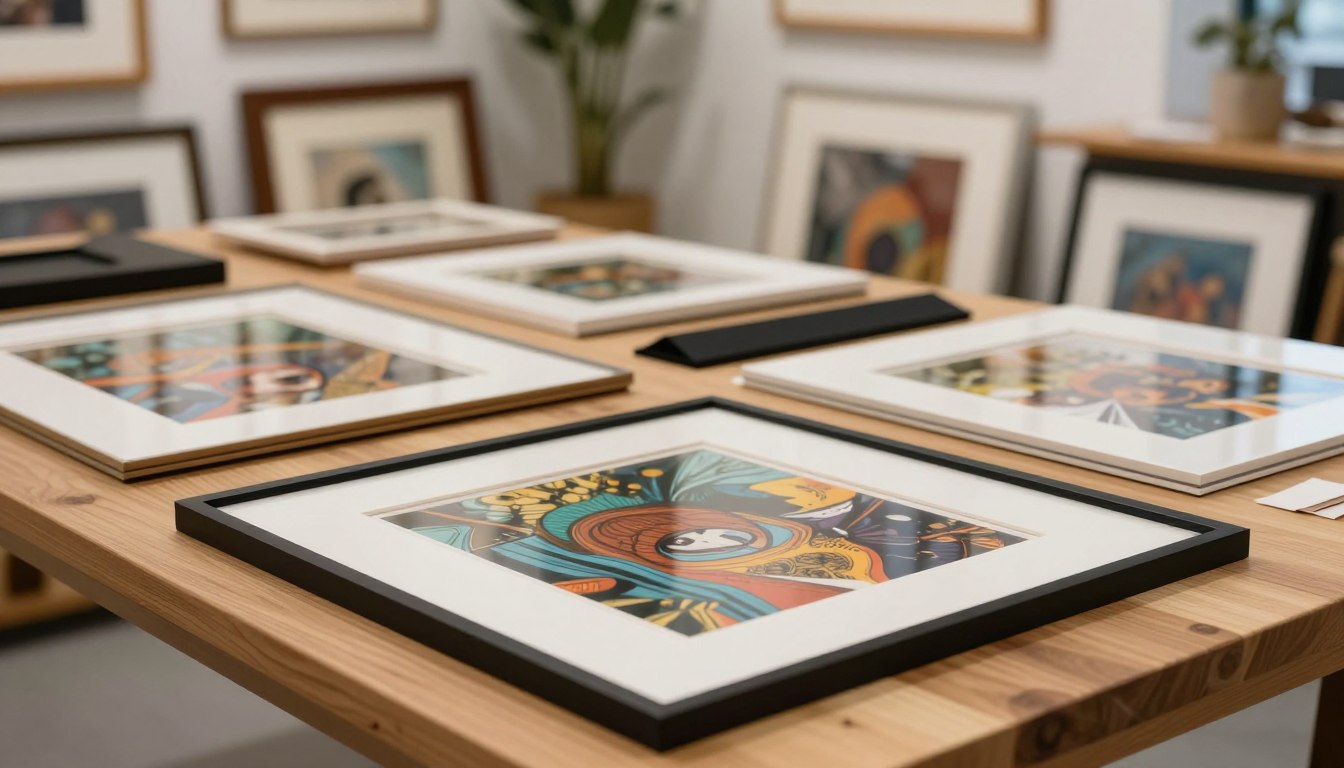
A beautifully arranged scene of professional art framing in a well-lit gallery setting. In the foreground, a pair of skilled artisans, dressed in smart-casual attire, carefully handle a stunning piece of printed artwork surrounded by elegant frames from "The Print Shop". The middle ground features various styles of high-quality frames displayed on a sleek wooden table, showcasing both modern and classic designs. Soft natural light filters through large windows, illuminating the textures of the frames and the vibrant colors of the artwork. In the background, a gallery wall displays framed pieces that range from abstract to realistic, creating a sophisticated atmosphere. The mood is focused and inspiring, emphasizing the value of quality framing for enhancing artwork.

Framing is more than just adding a border to art. It’s about making it more beautiful and keeping it safe for years. At The Print Shop, we’ve been doing this since 2002. Our team knows that the right frame can change how people see the artwork.

How Proper Framing Preserves and Enhances Art

Good framing keeps art safe from dust, UV light, and moisture. These things can damage art over time. Using best framing practices like acid-free materials and UV-protective glazing helps a lot. A well-chosen frame also makes the artwork look better, highlighting its best parts.

The Psychology of Presentation in Art Display

How art is presented affects how people see it. Professional art framing can make the art look even better. It creates a look that fits well with the room. Our team at The Print Shop can help you find the perfect frame for your art.

Framing Element Purpose Benefit
Acid-Free Materials Prevents chemical damage to artwork Long-term preservation
UV-Protective Glazing Blocks harmful UV rays Prevents fading and discoloration
Frame Design Enhances aesthetic appeal Creates a cohesive look

Choosing the right framing elements does more than protect your art. It also makes it more beautiful, turning it into a focal point in any room.

Essential Tools and Materials for Framing Projects
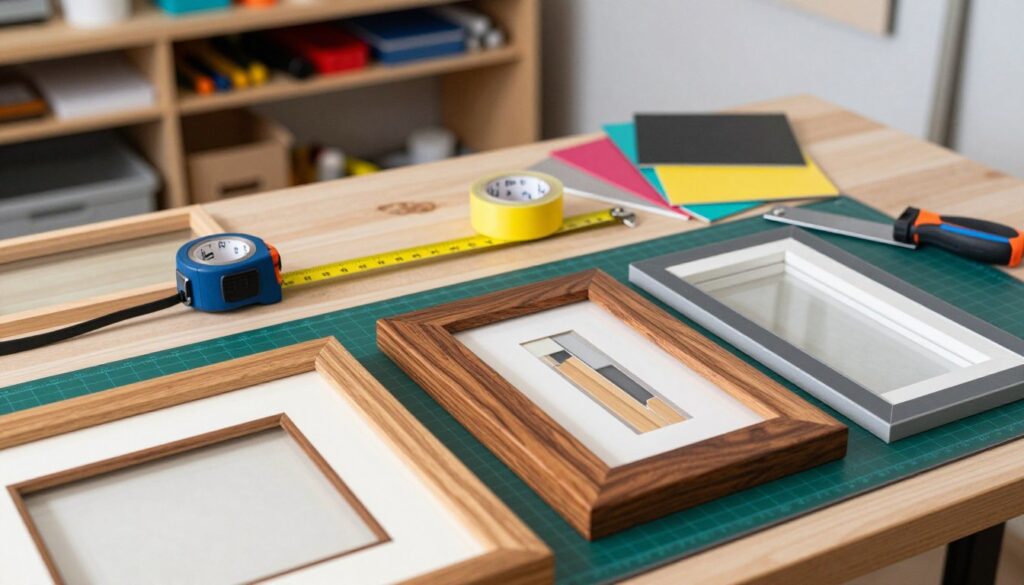
A well-organized workspace showcasing essential DIY picture framing materials, prominently featuring high-quality tools such as a cutting mat, a glass cutter, wooden frames, acid-free mat board, and measuring tools. In the foreground, a neatly arranged set of various frame styles, with rich wood textures and sleek modern finishes. The middle ground displays a tape measure and a roll of vibrant artist's tape, along with scattered corners of mat board in different colors. The background features a softly blurred shelf filled with art supplies, creating an inviting and professional atmosphere. Soft, natural lighting enhances the textures of the materials, casting gentle shadows for depth. The entire composition conveys a sense of creativity and precision, ideal for framing printed artwork from "The Print Shop."

To get professional results in DIY picture framing, start with the right tools and materials. At The Print Shop, we know how important the right supplies are. They help make sure your project is done to the best standard.

Must-Have Tools for DIY Framing

You’ll need some key tools for a successful framing project. These include a measuring tape, a sharp utility knife, a framing square, and a hammer. Visit us during our business hours (9 AM to 5 PM, Monday to Friday) to see our tools and get advice from experts.

Frame Materials: Wood, Metal, and Composite Options

Choosing the right frame material is key for looks and durability. We have wood, metal, and composite options to fit different tastes and needs. Here’s a quick look at each:

Material Durability Aesthetic Appeal Cost
Wood High Classic, warm Moderate to High
Metal High Modern, sleek Moderate
Composite High Versatile Moderate

Backing Boards and Mounting Supplies

Backings and mounting supplies are also crucial for a pro finish. We have a variety of backings and adhesives to keep your artwork safe and looking great. With the right materials and techniques, you can make your framing project stand out with custom framing tips and get a stunning result.

How to Frame Printed Artwork: Step-by-Step Process

Framing your printed artwork is easy with the right tools and techniques. It not only makes your artwork look better but also keeps it safe. At our printing shop at 46 S Main St Brigham City UT 84302, we know how important framing is.

Preparing Your Workspace

Start by clearing a flat surface to work on. Cover it with a cloth or paper to protect your tools and artwork. Make sure you have everything you need, like the frame, artwork, backing board, and hanging hardware.

Measuring and Marking with Precision

Getting your measurements right is key. Measure your artwork and the frame carefully. Remember any custom framing tips for your project. Use a pencil to mark the measurements on the frame and backing board.

Cutting and Assembly Techniques

Cutting the frame and backing board needs precision and patience. Use a mitre saw or a craft knife for clean cuts. Assemble the frame by joining the corners properly, making sure it fits well.

Joining Frame Corners Properly

To join the corners, apply a small amount of glue to the mitred edges and clamp them together. For extra stability, use corner brackets or framing nails.

Securing the Artwork Safely

After assembling the frame, place the artwork inside carefully. Make sure it’s centered and secure. Use acid-free materials and UV-protective glazing to protect your artwork from damage.

By following these steps and using the right materials, you can create a beautifully framed piece of artwork that will last for years to come.

Selecting the Perfect Frame Style for Your Art

At The Print Shop, we know picking the right frame is key. The right one can make your art pop, while the wrong one can pull it down.

Matching Frame Design to Artwork Content

Your artwork’s style and content should lead your frame choice. For example, modern art fits well with simple frames. Traditional paintings need something more ornate.

Color Theory for Frame Selection

Color theory is crucial in picking frames. You can pick a frame that matches or contrasts your artwork’s colors. A matching frame creates harmony, while a contrasting one makes your art pop.

Frame Width and Proportion Guidelines

The frame’s width and size should match your artwork. A good rule is to keep the frame’s width in line with the artwork’s size. Here are some tips:

Artwork Size Recommended Frame Width Frame Style
Small (less than 12×12 inches) 1-2 inches Simple, minimalist
Medium (12×12 to 24×24 inches) 2-3 inches Moderate, classic
Large (larger than 24×24 inches) 3-4 inches or more Ornate, decorative

By thinking about these points and visiting us at 46 S Main St Brigham City UT 84302, you can find the ideal frame. Our expert staff at The Print Shop will help you.

Matting Techniques for Professional Results

The art of matting can greatly improve your framed artwork’s look. Matting adds a professional touch and makes your artwork pop. At our framing service, we know how important the right matting is for your piece.

Single vs. Double Matting Applications

Single matting is a timeless choice, offering a clean border around your artwork. Double matting adds an extra layer, bringing depth and interest. We suggest double matting for pieces needing more complexity.

“Double matting adds a sophisticated touch,” says a framing expert. “It’s perfect for adding depth without overwhelming the artwork.”

Creative Mat Cutting Approaches

Creative mat cutting can make your artwork truly stand out. Techniques like beveling or colored mats add a unique flair. We work with clients to find the best cutting approach for their artwork.

Calculating Ideal Mat Dimensions

Finding the right mat dimensions is key for a balanced look. The mat width should match the frame and artwork. A good rule is to make the mat wide enough to space out the artwork and frame.

Standard Ratios for Balanced Presentation

The mat width should be between 2 to 4 inches for a balanced look. But, this can change based on the artwork and frame size. For the best ratio, talk to a professional framer. If you have questions, call us at 435-723-4200.

Choosing the right matting can greatly improve your artwork’s display at home. Whether it’s for personal enjoyment or as a gift, professional matting makes a big difference.

Framing Digital and Fine Art Prints

At The Print Shop, we focus on framing digital and fine art prints with great care. We know how to handle these prints to keep their beauty and quality over time.

Special Considerations for Inkjet Prints

Inkjet prints need special care. We use top-notch materials and methods to stop smudging or fading. This way, your artwork stays bright and clear for years.

Our team is skilled in protecting inkjet prints. They use techniques that keep the ink and paper safe.

Handling Delicate Surfaces

Fine art prints have delicate surfaces that need gentle care. Our framers use gloves and careful methods to avoid damage. This ensures your prints are framed perfectly without harming them.

Archival Methods for Digital Media

We use special framing methods to keep your digital prints safe. This includes acid-free mats, UV-protective glass, and lignin-free backing. These choices help your digital art prints stay in great shape for years.

Our framing service combines the best materials and techniques. It not only makes your digital and fine art prints look better but also keeps them safe for a long time.

Conservation Framing Methods for Longevity

Conservation framing is key to keeping your artwork looking great for years. At The Print Shop, we follow the best practices to make sure your art stays vibrant and in top shape.

Acid-Free and Lignin-Free Materials

Choosing acid-free and lignin-free materials is essential. They stop your artwork from getting damaged over time. We pick our materials carefully to keep your art safe and lasting.

UV-Protective Glazing Options

UV-protective glazing is also very important. It keeps your artwork safe from UV light, which can make colors fade and change. Our glazing options, like high-quality glass and acrylic, block UV rays well while still letting you see your art clearly.

Environmental Controls for Artwork Preservation

Keeping your artwork in the right environment is also crucial. This means keeping the temperature and humidity just right. Also, it’s important to protect it from direct sunlight and pollutants. These steps help your artwork last longer.

Want to know more about our framing services and how we preserve your artwork? Visit our website to see our dedication to quality and conservation.

Advanced Mounting Techniques for Different Print Types

At The Print Shop, we know each print type needs its own special care. Whether it’s a delicate paper piece, a big print, or something with unique texture, the right way to mount it makes all the difference. It can take your art display to the next level.

Hinging Methods for Paper Artwork

Hinging is key for paper artwork. It involves sticking the artwork to a backing board at the top edge. This lets the paper move with changes in the environment without buckling or getting stressed.

Float Mounting for Deckled Edges

Float mounting is perfect for prints with deckled edges. It makes the edges look like they’re floating. By sticking the artwork to the back, we keep the edges visible, adding to the piece’s charm. It’s great for prints where the edges are a big part of the art.

Handling Oversized and Non-Standard Prints

Oversized and non-standard prints need special care to be displayed right. We create custom mounts that fit their unique sizes and shapes. Our team is skilled in handling big artwork, making sure it’s mounted securely and looks great.

Using these advanced techniques, we help you show off your artwork in the best way. Whether it’s a small paper print or a large canvas, our expertise makes sure it’s displayed beautifully.

Glass and Glazing Selection Guide

Choosing the right glass or glazing is key for protecting and showing off your artwork. The glazing you pick can change how your artwork looks and lasts.

Standard vs. Museum-Quality Glass

We have both standard and museum-quality glass. Standard glass gives basic protection. Museum-quality glass has better UV protection and clarity, perfect for valuable or delicate artworks.

Feature Standard Glass Museum-Quality Glass
UV Protection Limited High
Clarity Good Excellent
Cost Lower Higher

Anti-Reflective Treatments

Anti-reflective treatments cut down on glare. This makes it simpler to see your artwork. It’s great for pieces in bright spots or under glass.

Acrylic Alternatives: When to Use Them

Acrylic glazing is a light, shatter-proof choice instead of glass. It’s best for big pieces or artworks that get handled a lot. But, it might scratch more than glass.

Professional Framing Services at The Print Shop

At The Print Shop, we know how crucial professional art framing is for your artwork. Our team is committed to delivering top-notch framing services. We aim to not only protect but also elevate your art.

Custom Framing Consultation Process

We start with a custom framing consultation to get to know your needs and tastes. Our experts will work with you to find the perfect framing for your artwork.

Material Selection and Design Assistance

Our team helps with material selection and design assistance to match your frame with your art. We use only the best, acid-free materials to keep your artwork safe for years.

Pricing Structure and Turnaround Times

We offer clear pricing and quick turnaround times without sacrificing quality. Our goal is to get your framed artwork to you on time.

Contact Information and Location Details

For design inquiries, email us at design@tpsbc.com. You can visit us from 9 AM to 5 PM, Monday to Friday.

Business Hours and Appointment Options

We suggest making an appointment for personalized service. Our team is here to help with all your framing needs.

Choosing The Print Shop for your custom framing tips and professional framing ensures your artwork is displayed and preserved beautifully.

Conclusion: Displaying Your Professionally Framed Artwork

After your artwork is framed, it’s key to display it right to make it look great and last longer. You can make your home or office look more elegant by showing off your framed art. Think about the decor and lighting around it to make everything look good together.

When you put your art at home, pick a spot with good light but not direct sunlight to stop fading. Try out different framing ideas, like a gallery wall or a big piece as a centerpiece. This way, you can make a display that looks good and shows off your art.

At The Print Shop, we’re here to help you frame your art just the way you want. By using the tips from this guide, you can make sure your art looks amazing and stays in great shape for years.

FAQ

What are the benefits of quality framing for my artwork?

Quality framing keeps your artwork looking great for years. It protects it from damage and adds a professional look. This way, your artwork stays beautiful for decades.

What tools and materials do I need to frame my printed artwork?

To frame your artwork, you’ll need a frame, backing board, and mounting supplies. You can find these at The Print Shop. We’re open during business hours for you to explore our selection.

How do I choose the right frame style for my artwork?

Choosing the right frame style depends on your artwork’s content and style. At The Print Shop, we offer custom framing services. Our team can help you find the perfect frame for your artwork.

What is matting, and how can it enhance my artwork?

Mattting adds a border to your artwork for a beautiful presentation. You can choose single or double matting to enhance your artwork’s look. For more information, call us at 435-723-4200.

How do I frame digital and fine art prints?

Framing digital and fine art prints needs special care to avoid damage. Our team at The Print Shop is skilled in handling these delicate prints. We use methods that preserve your artwork.

What is conservation framing, and how can it help preserve my artwork?

Conservation framing uses acid-free materials and UV-protective glazing. It also involves controlling the environment where your artwork is displayed. At The Print Shop, we follow these best practices to preserve your artwork.

How do I display my professionally framed artwork?

Displaying your framed artwork adds elegance to your space. Our guide provides tips and techniques for beautiful display and preservation. Follow these to enjoy your artwork for years.

What glazing options are available for framing my artwork?

We offer various glazing options, including standard glass and acrylic. Our team can help you choose the best glazing for your needs.

Can I get custom framing services at The Print Shop?

Yes, we offer custom framing services. Our team provides consultation, material selection, and design assistance. Contact us at design@tpsbc.com or visit us to discuss your project.
How to Frame Large Format Prints Without Warping or Damage

Framing large format prints needs careful steps to avoid warping or damage. The Print Shop, started in 2002, offers the knowledge to help you.

Whether it’s preserving a valuable art piece or showing off a big poster, we’ll guide you. Our team is committed to ensuring your project looks perfect.

Call us at 435-723-4200 or visit 46 S Main St, Brigham City, UT 84302 for expert advice on framing artwork.

Key Takeaways

  • Understand the importance of scale and material in framing large format prints.
  • Learn about the different glazing options to prevent damage.
  • Discover the steps to properly preserve your artwork.
  • Find out how to display your prints with confidence.
  • Get expert advice from The Print Shop on framing artwork.

Understanding Large Format Prints and Their Challenges

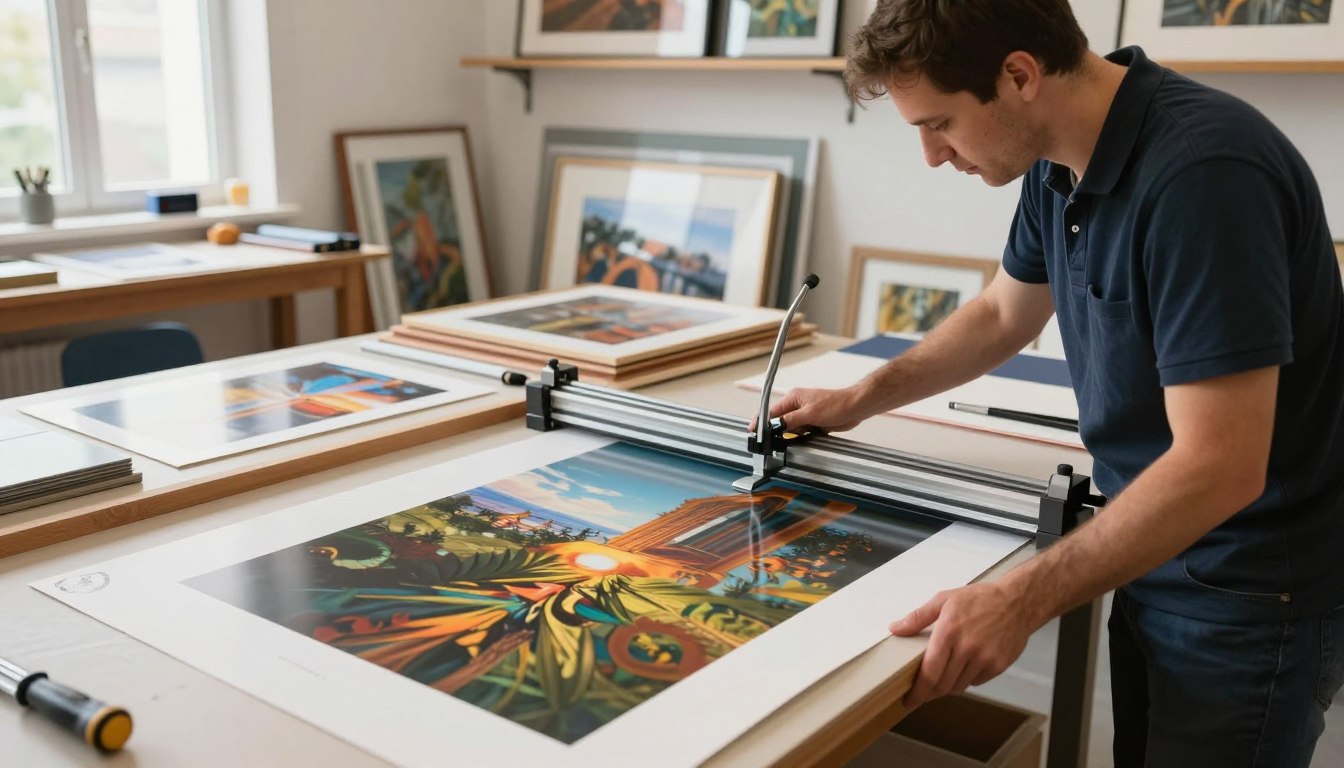
A well-organized studio workspace showcasing large format print framing techniques. In the foreground, a large print of a vibrant landscape is carefully laid out on a flat, sturdy table with framing materials such as wooden frames, acid-free mats, and glass. The middle section features a skilled professional, dressed in a smart casual outfit, measuring and cutting the matting with precision tools. In the background, shelves filled with various framing supplies and finished framed prints create a sense of depth and organization. Soft, diffused lighting illuminates the scene, highlighting the textures of the print and framing materials. The atmosphere is focused and creative, inviting viewers to understand the delicate process of preserving large format prints. The logo "The Print Shop" is subtly included in the design elements of the workspace, enhancing the professionalism of the setting.

Large format prints face unique challenges that need careful handling and framing. Whether it’s a fine art giclée print on canvas or a commercial poster, their size and material matter a lot.

What Qualifies as a "Large Format" Print

Large format prints are usually over 24 inches wide. They can be a few feet to over 10 feet long. These prints are often displayed in homes, offices, and public areas.

Common Materials Used in Large Format Printing

These prints can be made from paper, canvas, vinyl, or fabric. Each material has its own needs for handling and framing.

Material Characteristics Framing Considerations
Paper Prone to tearing, sensitive to moisture Use acid-free materials, consider UV-protective glazing
Canvas Flexible, can be stretched or mounted Consider float mounting or stretching over a frame
Vinyl Durable, water-resistant Use a sturdy frame, consider adhesive mounting

Why Large Prints Are Prone to Damage

Large prints can get damaged because of their size and materials. They can be heavy, leading to sagging or tearing if not supported right. Also, they’re sensitive to light, humidity, and temperature changes.

At The Print Shop, we know how important proper framing and handling are for large prints. Our team is ready to help with custom framing options. We’re open from 9 AM to 5 PM, Monday to Friday.

Types of Large Format Prints and Their Specific Framing Needs

A bright and inviting studio space showcasing a professional framer meticulously handling large format prints from "The Print Shop". In the foreground, focus on hands gently placing a glossy, colorful large format print on a clean cutting mat, while an array of framing materials like wooden frames, mats, and tools are neatly arranged nearby. The middle ground features a stylish wooden frame being assembled, highlighting its intricate details. In the background, large windows let in soft, natural light, illuminating the vibrant colors of various prints displayed on the walls. The atmosphere is creative and focused, emphasizing professionalism and craftsmanship in print framing. The camera angle is slightly tilted downwards to capture the action, ensuring no text or branding appears in the image.

Different large format prints need unique framing. Whether it’s for oversized poster frames or creative wall decor, the type of print matters. It affects how you frame it.

Fine Art Giclée Prints on Canvas

Fine art giclée prints on canvas need framing that looks good and protects the art. Choose sturdy frames that match the canvas texture. A float mount adds depth.

Photography Prints on Various Papers

Photography prints on different papers need careful thought. Glossy prints might need UV-protective glazing to stop fading. Matte prints might just need a simple, non-reflective glazing.

Posters and Commercial Prints

Posters and commercial prints, used for ads, need strong framing. For oversized poster frames, we consider weight and material. This ensures the frame is durable and eye-catching.

Digital Art and Mixed Media Prints

Digital art and mixed media prints are tricky to frame because of their varied textures and materials. We work with clients to find the right framing. This enhances the art’s complexity and depth.

Print Type Framing Consideration Recommended Frame Type
Fine Art Giclée on Canvas Canvas texture, dimensional effect Float mount, sturdy frame
Photography Prints Paper type, finish, UV protection UV-protective glazing, simple frame
Posters and Commercial Prints Size, material, durability Oversized poster frames, durable frame
Digital Art and Mixed Media Texture, material, complexity Custom framing solutions, complex frames

Essential Tools and Materials for Framing Large Format Prints

Choosing the right frames, mounting boards, and glazing is key for framing large prints. We help ensure your print is framed well and protected.

Frame Selection: Materials and Sizes

Finding the right frame is important for looks and protection. We have frames made of wood, metal, and more, in many sizes. Our team can help pick the best frame for you.

Mounting Boards and Backing Options

Mounting boards keep your print stable. We use top-quality boards to prevent damage. Our team will suggest the best backing for your print.

Glazing Choices: Glass vs. Acrylic

Deciding between glass and acrylic glazing depends on your needs. Glass is clear, but acrylic is lighter and safer. We help choose the best glazing for your print, considering UV protection and glare.

Specialty Tools for Large Format Framing

Framing big prints needs special tools. Our team has the tools for a precise and secure frame. This makes it ready for hanging large pictures where you want. For design questions, email us at design@tpsbc.com.

Preparing Your Workspace for Large Print Framing

To frame your large format prints right, get your workspace ready. A clean and organized area is key for framing.

Creating a Clean, Flat Working Surface

Use a big, flat area like a table or countertop for your print and framing stuff. Make sure it’s clean and dry to avoid harming your artwork.

Environmental Considerations: Humidity and Temperature

Keep an eye on your workspace’s humidity and temperature. These can mess with your framing materials. Try to keep it steady to stop damage or warping.

Organizing Your Tools and Materials

Put your tools and materials where you can easily get to them. This makes framing easier. Check out gallery wall ideas for cool ways to show off your framed art.

Workspace Preparation Task Importance Level
Cleaning the workspace High
Controlling humidity and temperature High
Organizing tools and materials Medium

Handling Techniques to Prevent Damage Before Framing

To keep your large format prints in top shape, it’s key to handle them right from the start. Whether you’re framing them yourself or looking for custom framing options, how you first handle them matters a lot.

Proper Unrolling Methods for Tubular Storage

When taking prints out of tubular storage, unrolling them correctly is a must. We suggest unrolling them on a clean, flat area to avoid any damage. Start by removing the tube’s end caps and then unroll the print slowly, checking for any damage or creases.

Glove Usage and Clean Handling Practices

Wearing gloves when handling large format prints can stop oils from your skin from harming the print. Make sure your gloves are clean and won’t scratch or leave marks on the print.

Temporary Flattening Techniques

To flatten a print temporarily, use weights and a flat surface. Place the print on a clean, dry area and use weights at the corners to keep it flat. This method helps get the print ready for framing.

Handling Technique Purpose Benefit
Proper Unrolling Prevent creases and tears Maintains print integrity
Glove Usage Prevent skin oils from damaging the print Preserves print quality
Temporary Flattening Prepare print for framing Eases framing process

How to Frame Large Format Prints: Step-by-Step Process

Framing large format prints requires several important steps. These steps, when done right, lead to great results. We’ll show you how to frame your prints perfectly.

Step 1: Measuring and Preparing Your Materials

Start by measuring your print and frame parts accurately. Make sure the mounting board and glazing are cut to the right size. Precision is key to avoid any mistakes during assembly.

Step 2: Preparing the Print for Mounting

Clean the print well to remove dust or debris. If it’s curled or rolled, flatten it to avoid creases. Use gloves to handle the print to prevent fingerprints.

Step 3: Securing the Print to Mounting Board

Use the right adhesive or mounting method to attach the print to the mounting board. Make sure the print is tight and even to prevent warping.

Mounting Technique Advantages Disadvantages
Dry Mounting Strong adhesion, flat finish Irreversible, requires equipment
Wet Mounting Flexible, can be repositioned Risk of bubbles, slower drying

Step 4: Adding Mat Board (If Desired)

If you’re using a mat board, cut it to size and attach it to the frame or mounting board. Mats can make the print look better and add a visual buffer.

Step 5: Assembling the Frame Components

Put the frame together by attaching the glazing, print, and backing board. Make sure everything is securely fastened to avoid damage or shifting.

Step 6: Final Securing and Finishing

After assembling, check the frame for any issues or misalignments. Add hanging hardware and finishing touches, like sealing the back of the frame.

By following these steps, you can create a beautifully framed large format print. It will look great and last a long time.

Mounting Techniques That Prevent Warping

To keep your large format prints looking their best, it’s essential to choose the right mounting method. The mounting technique used can significantly impact the appearance and longevity of your print. We offer professional framing services that include a range of mounting options to suit your needs.

Dry Mounting vs. Wet Mounting

Dry mounting and wet mounting are two common techniques used in framing large format prints. Dry mounting involves applying heat and pressure to adhere the print to a backing board. Wet mounting uses an adhesive that is applied to the back of the print. Both methods have their advantages, and the choice between them depends on the specific requirements of your print.

Hinge Mounting for Valuable Prints

For valuable or sensitive prints, hinge mounting is often recommended. This technique involves attaching the print to a backing board using hinges, allowing it to be removed if needed. Hinge mounting is a reversible process, making it ideal for archival preservation.

Float Mounting for Dimensional Effect

Float mounting creates a dimensional effect by suspending the print within the frame. This technique can add depth and visual interest to your large format print, making it a great option for creative wall decor.

Conservation Mounting for Archival Preservation

For prints that require long-term preservation, conservation mounting is the gold standard. This technique involves using materials and methods that are designed to minimize the risk of damage or deterioration over time. Our professional framing services include conservation mounting options to ensure your prints remain in pristine condition.

Matting Strategies for Oversized Artwork

Oversized artwork needs careful matting to look great. Matting makes the artwork look better and protects it from damage. It acts as a buffer between the artwork and the glazing.

Single vs. Double Matting Considerations

Choosing between single or double matting is important. Single matting is simple and works for many pieces. But double matting adds depth and makes the artwork pop. We can help pick the right one for your oversized artwork.

Calculating Proper Mat Proportions

Finding the right mat size is key. A good rule is to make the mat border match the artwork’s size. The bottom border should be a bit bigger than the top and sides for balance.

Specialty Mats for Unique Effects

For something special, try specialty mats. They come in colors, textures, or even fabric. We have many specialty mats to match your artwork.

Glazing Options to Protect Your Large Format Prints

Glazing is key in framing large prints, keeping them safe from fading and UV damage. You have many glazing choices, each with its own perks.

UV-Protective Glass and Acrylic

We offer UV-protective glass and acrylic to stop fading and UV damage. These materials block harmful UV rays, keeping your art bright for years.

Anti-Glare Options for Various Lighting Conditions

Anti-glare glazing is great for prints in different lighting spots. It cuts down on reflections and makes your art easier to see. This is perfect for pieces in bright or shifting light.

Museum-Grade Glazing for Valuable Prints

Museum-grade glazing is top-notch for precious or delicate prints. It offers UV protection and anti-reflective coatings. This keeps your art in perfect condition.

Weight Considerations for Oversized Frames

For big prints, the glazing’s weight is important. We check the frame’s strength to make sure it can hold your art safely.

Whether framing one piece or a gallery wall, we help choose the right glazing. Our knowledge in DIY framing and gallery walls ensures your art is safe and looks great.

Hanging Systems for Heavy Large Format Frames

Hanging heavy large format frames needs careful thought. We focus on stability and safety. It’s key to show your oversized poster frames securely.

Wall Anchors and Hardware Selection

Choosing the right wall anchors and hardware is vital. High-quality anchors that can handle your frame’s weight are recommended. This ensures your frame stays securely in place.

Distribution of Weight for Stability

Evenly distributing the frame’s weight is crucial for stability. You can use multiple hanging points or a strong single anchor. It depends on the frame’s size and weight.

Gallery Rail Systems for Flexibility

Gallery rail systems offer flexibility. They allow for easy changes in your display. This makes it simple to rearrange your artwork as needed.

Safety Considerations for Public Spaces

In public areas, safety is a top priority. We use secure and reliable hardware. This gives you and your clients peace of mind.

With the right hanging system, you can confidently display your frames. You’ll know they’re securely supported.

Professional Framing Services at The Print Shop

At The Print Shop, we take great care in framing your large format prints. We know how important it is to protect your artwork. We offer custom solutions to meet your specific needs.

Custom Framing Options for Oversized Prints

We have custom framing options for your oversized prints. Our team helps you choose the perfect frame, mounting, and glazing. This enhances and protects your artwork.

Conservation Framing for Valuable Artwork

For your valuable artwork, we offer conservation framing. This service is designed to keep your pieces safe for generations. Our techniques prevent damage and deterioration.

Consultation Process with Design Experts

Our design experts are here to help you with framing. You can meet us in person at 46 S Main St, Brigham City. Or, email us at design@tpsbc.com with your design inquiries.

In-Person Consultations at 46 S Main St, Brigham City

Stop by our Brigham City location to talk about your framing needs.

Email Design Inquiries to design@tpsbc.com

Prefer to consult remotely? Email us, and we’ll get back to you quickly.

Pricing, Turnaround Times, and Service Hours

We’re open about our pricing and how long it takes to complete a project. Our hours are Monday to Friday, 9 AM to 5 PM. Call us at 435-723-4200 for more details.

Business Hours: Monday-Friday, 9 AM to 5 PM

Our team is ready to help during our business hours.

Contact Information: 435-723-4200

Call us at 435-723-4200 to learn about our framing services or to set up a consultation.

Service Description Turnaround Time
Custom Framing Tailored framing solutions for oversized prints 3-5 business days
Conservation Framing Preservation techniques for valuable artwork 5-7 business days
Consultation In-person or email consultations with design experts Same day

Conclusion: Preserving Your Art for Generations

Framing your large format prints is more than just making them look good. It’s about keeping them safe for the future. At The Print Shop, we help you do just that with our expert framing services.

Using the right materials and methods can make your artwork last longer. This makes it a great investment for the years ahead. Whether you want to frame one piece or a whole gallery wall, our team is here to help. We take framing your artwork very seriously.

With proper framing, your artwork can bring joy and inspiration for many years. We’re excited to work with you and make your art last through our custom framing solutions.

FAQ

What is the best way to handle large format prints to prevent damage?

To safely handle large format prints, wear gloves to avoid skin oils damaging the print. Always follow clean handling practices. It’s also important to use the right method to unroll prints stored in tubular storage to avoid damage.

How do I choose the right frame for my large format print?

When picking a frame, think about the material, size, and weight of your print. Choose a frame that matches your artwork and supports it well. Our team can help you find the perfect frame for your needs.

What are the benefits of using UV-protective glazing for my large format prints?

UV-protective glazing stops fading and damage from UV light. This keeps your artwork looking great for years. We offer glass and acrylic options to protect your prints.

How do I hang heavy large format frames safely?

To hang heavy frames safely, use strong wall anchors and hardware. Make sure the weight is evenly distributed for stability. You can also use gallery rail systems for more flexibility.

What is conservation framing, and why is it important for valuable artwork?

Conservation framing preserves valuable artwork for future generations. It uses high-quality materials and methods to keep the artwork in perfect condition. Our team is skilled in conservation framing.

Can I frame my large format print myself, or should I seek professional help?

You can try framing your print yourself, but professional help is recommended. Our team has the skills and tools to frame large prints correctly.

How do I prepare my workspace for framing a large format print?

Prepare your workspace by making it clean and flat. Consider factors like humidity and temperature. Organize your tools and materials to frame your print efficiently.

What are the different mounting techniques available for large format prints?

We offer several mounting techniques, including dry and wet mounting, hinge and float mounting, and conservation mounting. Each has its own benefits. Our team can help you choose the best method for your print.

How do I select the right matting for my oversized artwork?

When choosing matting, consider single or double matting and the right proportions for a balanced look. Specialty mats can add a unique touch. Our team can help you pick the right mat for your artwork.

How Framing Protects Prints from Damage and Fading

Knowing how to frame your artwork right is key to keeping it safe. At The Print Shop, we’ve been helping Brigham City, UT since 2002. We offer top-notch framing services to shield your prints from harm and fading.

Proper framing is vital for your art’s health. If you need design help, call us at 435-723-4200 or email design@tpsbc.com. We’re open 9 AM to 5 PM, Monday to Friday.

Choosing the best framing methods can make your prints last longer. At The Print Shop, we’re all about keeping your artwork in top shape.

Key Takeaways

  • Framing is crucial for protecting prints from damage and fading.
  • Proper framing techniques can extend the life of your artwork.
  • The Print Shop offers high-quality framing services in Brigham City, UT.
  • Contact us for design inquiries and framing needs.
  • Our team is dedicated to preserving your art with expert framing.

The Vulnerability of Unprotected Prints

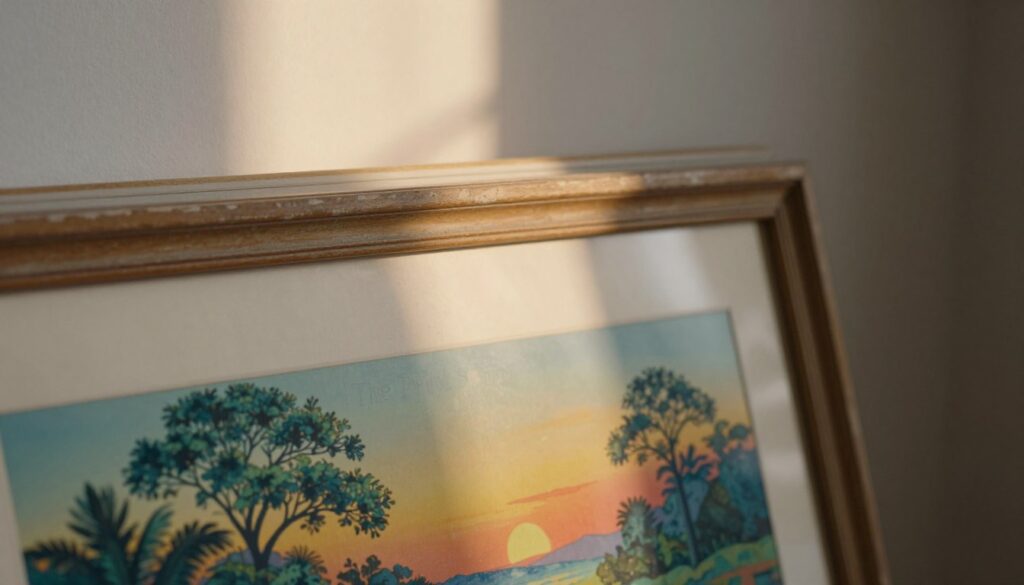
A close-up of a partially faded art print from "The Print Shop" leaning against a wall in a softly lit room. The foreground showcases the print, with vibrant colors beginning to lose their saturation, depicting a serene landscape with intricate details of trees and a sunset. The middle layer includes a gently worn wooden frame that has gathered dust, signifying age and neglect, while the background features warm, diffused lighting filtering through a window, casting soft shadows. The atmosphere is melancholic yet peaceful, evoking the fragility of unprotected art. The image should emphasize the contrast between the still vivid colors and the fading sections, highlighting the vulnerability of prints to light damage. Use a shallow depth of field to focus on the print while softly blurring the background for a dreamy effect.

Unprotected prints face many dangers that can harm them forever. Without proper framing, they are open to threats that can shorten their life and quality.

Common Types of Print Damage

Prints can get damaged in many ways, like tears, creases, and fading. Common dangers include sunlight, humidity, temperature changes, dust, knocks, and framing mistakes. These can greatly shorten a print’s life.

Type of Damage Cause Effect on Print
Fading Sunlight, UV Light Loss of color vibrancy
Tears, Creases Physical handling, storage Physical damage, aesthetic impact
Deterioration Humidity, temperature fluctuations Material degradation

Environmental Factors That Cause Fading

Environmental factors greatly affect print fading. Sunlight and UV light are major causes, breaking down pigments and dyes. Humidity and temperature changes also harm print materials.

The Lifespan of Unframed vs. Framed Prints

Framing greatly increases a print’s lifespan by shielding it from harm. Experts say framing protects art from light, dust, and humidity, enhancing its look. Framed prints can last decades longer than unframed ones, making framing a smart choice for preserving art.

Understanding How Framing Protects Prints

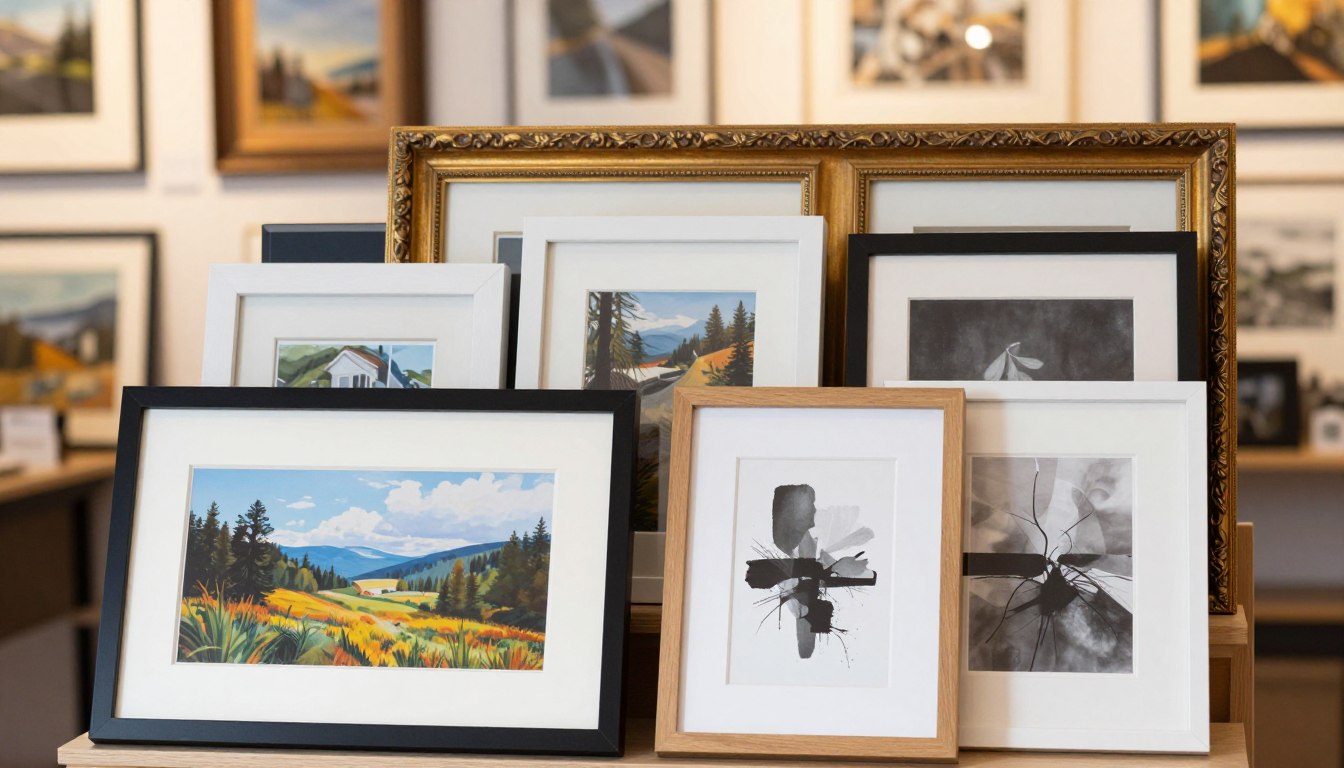
A well-lit, elegant art framing display featuring various prints protected by glass. In the foreground, a close-up of a framed print with a sleek, modern frame emphasizing its UV-protective glass. The middle ground shows several other framed prints in various styles, showcasing different colors and textures, all under warm, soft lighting to create an inviting atmosphere. In the background, a shop interior of "The Print Shop" with shelves of art supplies and additional frames, subtly hinting at professionalism and care. The entire scene suggests a sense of preservation and beauty, highlighting the importance of framing in preventing print damage and fading. The overall mood is serene and artistic, inviting viewers to appreciate the artwork and its protection.

Framing is key to keeping your prints safe for a long time. It’s not just about making them look good. It also protects them from damage caused by the environment and accidents.

Physical Protection Mechanisms

Framing creates a shield around your prints. It keeps them safe from dust, moisture, and accidental damage. The frame acts like a protective shell, guarding your prints from harm.

UV and Light Protection

Framing also blocks harmful UV rays and light. This helps prevent your prints from fading or changing color. So, your prints stay bright and clear for a long time.

Humidity and Temperature Control

Good framing can also control the environment around your prints. Using acid-free materials and sealing the frame helps manage humidity and temperature. This extra protection keeps your prints safe.

Protection Mechanism Benefit
Physical Barrier Protects against dust and accidental damage
UV-Protective Glazing Prevents fading and discoloration
Environmental Control Regulates humidity and temperature

Knowing how framing protects your prints helps you choose the right framing. This way, your prints will stay in great shape for many years.

Essential Framing Materials for Print Protection

To keep your prints looking great, picking the right framing materials is key. The right stuff can really help protect your prints from harm.

Conservation-Grade Matting Options

Conservation-grade mats are vital for keeping prints safe. They’re made from top-notch, acid-free stuff that stops chemical damage. Look for mats with a lignin-free, buffered core for the best protection.

Glass and Acrylic Glazing Considerations

For glazing, you can choose between glass and acrylic. Glass is clear and blocks UV rays well. Acrylic is lighter and breaks less easily, perfect for big or heavy frames.

Acid-Free Backing Boards

Acid-free backing boards are also key for print protection. They stop acid from moving and causing damage or color changes. Using these boards keeps your prints looking good for a long time.

Frame Types and Their Protective Properties

The frame you pick affects how well it protects your print. Shadow box frames, for example, add extra depth. This is great for thicker or more complex items.

Framing Material Protective Properties
Conservation-Grade Matting Prevents chemical damage, acid-free
UV-Protective Glazing Blocks harmful UV rays, reduces fading
Acid-Free Backing Boards Prevents acid migration, reduces discoloration

Choosing the right framing materials helps protect your prints from damage and fading. This way, they stay vibrant and valuable in your collection for years.

How to Protect Prints with Framing: A Step-by-Step Guide

To keep your prints looking great, follow our framing guide. Framing does more than make your prints look good. It also protects them from damage and fading. Knowing the right techniques and materials helps your prints last longer.

Preparing Your Print for Framing

First, prepare your print. Gently clean it to remove dust or debris. Use a soft brush or a cleaning cloth to avoid scratches. If your print is very valuable, get advice from a professional conservator.

Selecting the Right Materials

The materials you choose are key to protecting your prints. Use conservation-grade materials like acid-free mats and UV-protective glazing. Choose a sturdy frame made from quality wood for a secure and durable home for your print.

Assembly Techniques for Maximum Protection

When assembling the frame, pay close attention to detail. Place a conservation-grade mat around your print to protect it. Use reversible mounting techniques to secure the print without damage. Make sure all materials are dry and free of dust before you start.

Sealing the Frame for Environmental Control

To keep your print safe from dust, moisture, and pollutants, seal the frame well. Use a backing board sealed with durable tape or sealant. Check your framed prints often for any damage or signs of wear.

Framing Component Function Recommended Material
Matting Buffer zone between print and glazing Acid-free conservation mat
Glazing Protects against UV light and dust UV-protective glass or acrylic
Backing Board Provides structural support and seals the frame Acid-free backing board

UV-Protective Glazing: A Critical Component

UV light can harm your artwork, causing fading and discoloration. Using UV-protective glazing in your frames helps shield your prints. This keeps them looking great for longer.

Types of UV-Protective Glass and Acrylic

There are many UV-protective glazing options, like glass and acrylic. UV-protective glass blocks UV light from reaching your artwork. Acrylic is a lighter option with similar protection. Some glazings also have anti-reflective coatings for better viewing.

Comparing UV Protection Levels

Not all UV-protective glazing is the same. The level of protection varies, measured by how much UV light it blocks. Look for glazing that blocks at least 99% of UV light for the best protection. It’s smart to compare different options to find the right one for you.

Cost vs. Benefit Analysis for Long-Term Preservation

UV-protective glazing might cost more upfront, but it’s worth it in the long run. It helps keep your prints looking good for years, protecting their value. Think of it as an investment in your artwork’s future.

Choosing the right UV-protective glazing and framing your prints carefully is key. At The Print Shop, we know how important it is to frame your prints right. We help you keep your artwork looking its best.

Acid-Free Matting: Preventing Chemical Damage

Keeping your artwork safe starts with the right matting. Acid-free options are key. The matting used in framing can greatly affect your artwork’s life span. We stress the importance of acid-free matting to avoid chemical damage that can harm your print over time.

Why Acid-Free Materials Matter

Acid-free materials are vital for art preservation. They don’t have acids that can make prints yellow, brittle, or fall apart. Acid-free matting protects your artwork from damage. For more on conservation, check out Conservation Wiki.

Types of Conservation-Grade Mats

There are many conservation-grade mats out there. Each has its own role in preserving art. These include:

  • Mats from 100% cotton rag, known for being durable and acid-free.
  • Mats without lignin and sulfur, which reduces chemical damage risk.

Choosing the right mat depends on your artwork’s needs.

Proper Matting Techniques for Print Preservation

Right matting techniques are as crucial as the materials. Make sure the mat is cut right and the print isn’t touching the glass. Also, use a mat with a window cutout that’s a bit bigger than the print. This helps avoid damage from contact.

Using acid-free matting and proper framing can make your artwork last longer. We suggest talking to experts in art preservation. They can help ensure your prints are safe for future generations.

Mounting Techniques That Preserve Print Integrity

To keep your prints looking great, it’s key to use the right mounting methods. Good mounting not only makes your prints look better but also helps keep them safe.

Reversible Mounting Methods

Reversible mounting is important for keeping your prints safe. These methods let you take the print off without harming it. This way, you can put it back or store it safely. Using acid-free materials is vital, as it stops chemical damage.

Hinging Techniques for Valuable Prints

For special or delicate prints, hinging is a great extra protection. Hinging attaches the print to the board with a small piece of tape or hinge. This lets you show the print safely. It’s important to use top-notch, archival-grade hinges for your prints to last.

“The way you mount your prints can significantly impact their longevity.” – Conservation Framing Expert

Avoiding Common Mounting Mistakes

Some common mistakes, like bad adhesives or not using acid-free stuff, can ruin your prints. Knowing the right materials and methods is crucial. Always pick materials made for conservation framing to protect your prints.

Using these mounting methods can greatly improve your prints’ life and quality. At The Print Shop, we’re experts in preserving prints through framing and using the best framing techniques for print protection. Let us help you safeguard your precious prints.

Controlling Environmental Factors Through Framing

To keep your prints in top shape, it’s key to know how framing helps. Framing protects your artwork from harm caused by humidity, temperature changes, and dust. It’s a crucial step in preserving your prints.

Humidity Control Within Frames

Framing helps manage humidity around your prints. Using moisture-resistant materials and sealing the frame well keeps humidity away. This is vital in places where humidity often changes.

Temperature Fluctuation Protection

Temperature changes can damage materials by making them expand and contract. Framing techniques and materials can lessen this effect. For example, frames with a tight seal keep the environment stable around your print.

Dust and Pollutant Barriers

Dust and pollutants can harm your prints over time. The glazing in frames, like glass or acrylic, blocks these threats. Choosing the right glazing and ensuring a tight seal greatly reduces damage risk.

Special Considerations for Different Print Types

When framing, different print types need special care. Each material and printing method has its own needs. This ensures they last longer.

Protecting Digital and Inkjet Prints

Digital and inkjet prints fade and get damaged easily. UV-protective glazing is key to keep the ink from fading. Choose high-quality, acid-free materials to keep the print bright for years.

Conservation Framing for Antique Prints

Antique prints need special framing to stay in good shape. Use acid-free mats and backing boards. Also, seal the frame to keep out harmful environmental factors.

Framing Solutions for Photography

Photography prints, made on paper, need careful framing. A conservation-grade frame with UV-filtering glazing helps. It protects the photo from light and damage.

Preserving Fine Art Prints and Limited Editions

Fine art prints and limited editions are valuable. Use high-quality framing materials and techniques. This includes reversible mounting to keep the print safe.

Knowing what your print needs and using the right framing can make it last longer. It also keeps it looking great.

Professional Framing Services at The Print Shop

At The Print Shop, we’re all about expert framing services. We protect and preserve your valuable prints. Our team works hard to find the best framing techniques for your prints.

Expert Consultation for Valuable Prints

We know every print is special and needs extra care. That’s why we offer expert consultations. Our team will help you pick the perfect framing for your prints.

Custom Framing Solutions at 46 S Main St, Brigham City

Our framing experts are at 46 S Main St, Brigham City. We focus on high-quality custom framing. We use top materials and techniques to protect and display your prints beautifully.

Quality Materials and Craftsmanship Since 2002

We’ve been in the business for over 20 years. We’re known for our quality materials and craftsmanship. Our goal is to protect and enhance your prints with our framing services.

Contact Information and Business Hours

Visit us at 46 S Main St, Brigham City, or call 435-723-4200. We’re open from 9 AM to 5 PM, Monday to Friday. Our team is here to help with your framing needs and answer any questions.

Conclusion: Investing in Proper Framing for Long-Term Print Preservation

Proper framing is key to keeping prints safe for a long time. It helps protect them from damage and fading. At The Print Shop, we help you keep your artwork safe for future generations.

When framing art, think about UV protection, acid-free materials, and keeping it in a controlled space. The right framing can make your prints last longer and stay in great condition.

Our team at The Print Shop offers top-notch framing services. We use materials and methods that keep your artwork safe from harm. This way, your prints stay beautiful and intact.

Investing in good framing means you can enjoy your prints for many years. It also keeps their value and quality. Come see us at 46 S Main St, Brigham City, to check out our framing services and get expert advice.

FAQ

What are the most common types of damage that can occur to unprotected prints?

Unprotected prints face many dangers. These include fading from the environment, dust, and damage from handling. Pollutants can also harm them.

How does framing protect prints from fading?

Framing uses UV-protective glazing to block harmful light. It also keeps dust and pollutants out. Plus, it helps control humidity and temperature.

What is the importance of using conservation-grade matting in framing?

Conservation-grade matting prevents chemical damage. It’s made from acid-free materials. This ensures the matting won’t harm the print over time.

What are the benefits of using acid-free backing boards in framing?

Acid-free backing boards protect prints from acidic materials. This prevents damage and helps preserve the print.

How do I choose the right framing materials for my print?

Choose materials based on the print’s type, value, and protection needs. Use acid-free matting and UV-protective glazing for valuable prints.

What is the best way to mount a print for framing?

Use reversible mounting and hinging for valuable prints. Avoid adhesives and tapes that can damage the print.

Can framing help control environmental factors that affect prints?

Yes, framing can control humidity, temperature, and dust. A sealed frame acts as a barrier, preserving the print.

Are there special considerations for framing different types of prints?

Yes, framing needs vary by print type. Digital prints need UV-protective glazing. Antique prints might need special conservation framing.

Why is it important to seal the frame for environmental control?

Sealing the frame keeps out dust, pollutants, and moisture. This is crucial for protecting valuable or sensitive prints.

What are the benefits of using professional framing services?

Professional services, like The Print Shop, offer expert advice and custom framing. They use high-quality materials and craftsmanship. This ensures your print is well-protected for the future.