The Print Shop Brigham City

How to Print Effective Marketing Materials That Get Results

In today’s digital world, it’s easy to forget about print marketing. Yet, print materials are still key to a good marketing strategy. At The Print Shop, we know how important top-notch printing is for local businesses to look their best.

Since 2002, we’ve helped you make marketing materials that work. Whether you want to boost your brand, increase sales, or teach your audience, we’ve got you covered. Our team is here to help you Monday to Friday, 9 AM to 5 PM.

Key Takeaways

  • Print marketing remains effective despite the digital age.
  • 82% of consumers trust print advertisements when making purchasing decisions.
  • Print materials create stronger memory retention compared to digital ads.
  • The Print Shop has been providing high-quality printing services since 2002.
  • Our team is available to assist you during business hours.

The Strategic Value of Print Marketing in Today's Digital Landscape

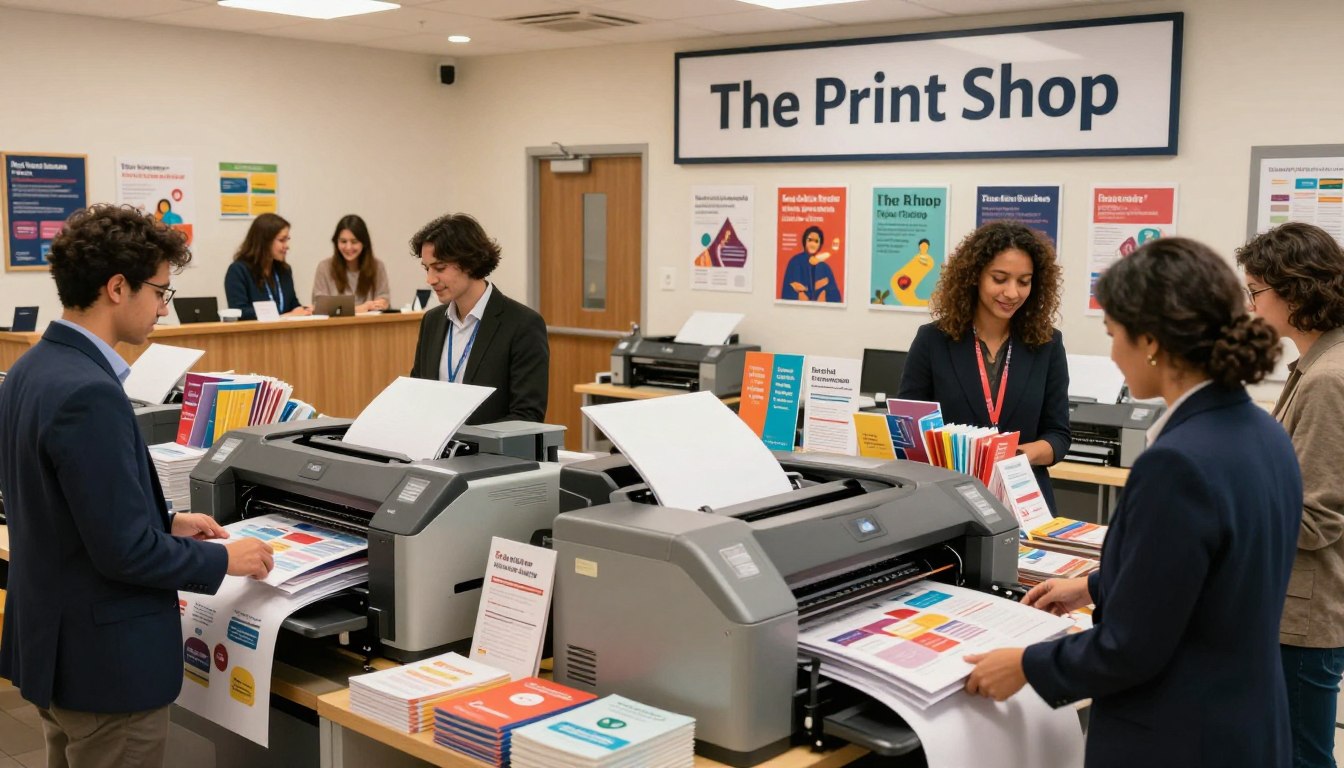
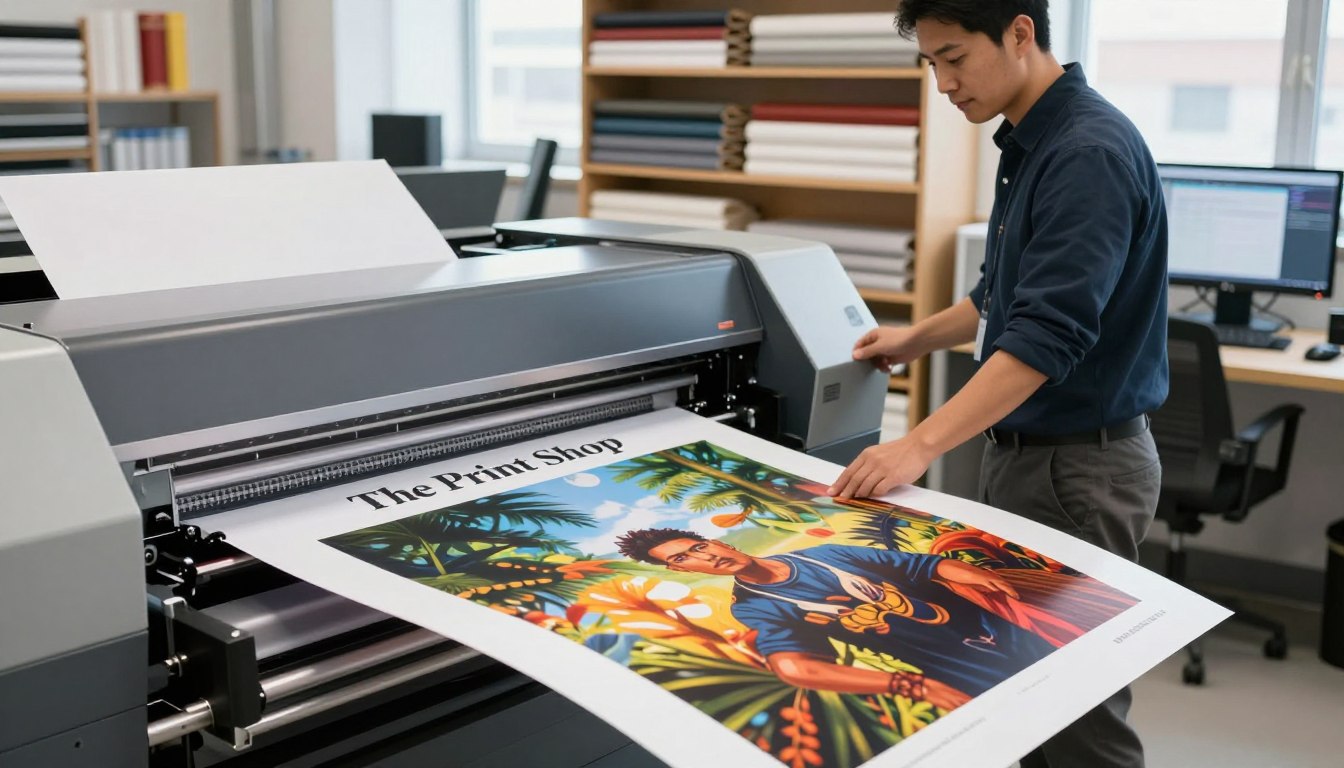
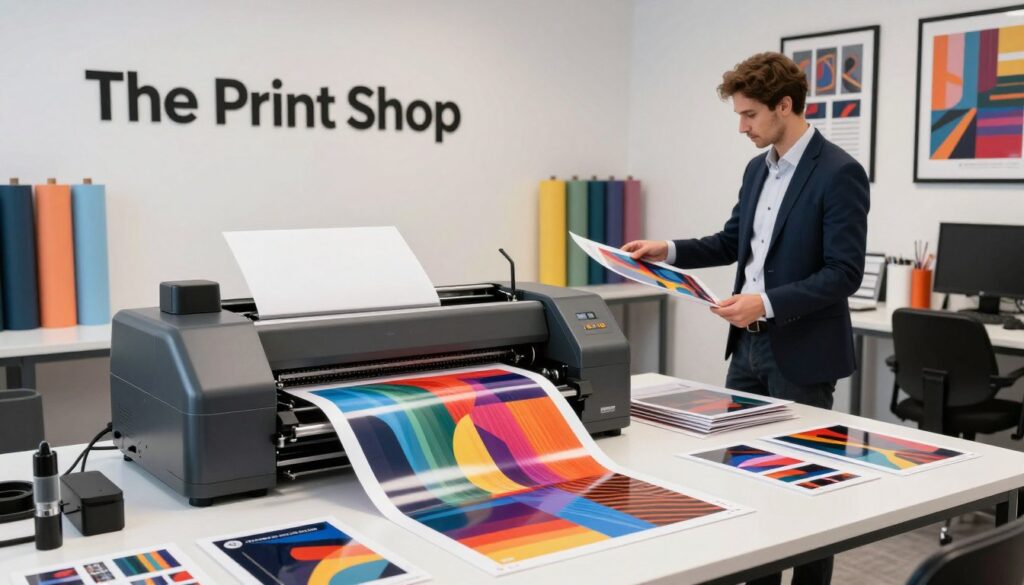
A well-lit modern print shop interior, showcasing vibrant marketing collateral printing in action. In the foreground, a professional in smart business attire inspects freshly printed brochures and flyers, their colors vivid and engaging. In the middle ground, a high-quality printer is actively producing a large poster, with glossy paper and dynamic graphics visible. The background features shelves stocked with various print materials and a digital display demonstrating successful marketing campaigns. Soft overhead lighting creates an inviting atmosphere, emphasizing the strategic importance of print marketing against a digital landscape. The Print Shop brand is subtly reflected in the design elements throughout the space, enhancing the image's focus on effective marketing solutions.

In today’s world, where digital marketing is everywhere, print marketing still holds a key spot. It’s trusted more than digital ads, with 56% of people seeing print as the most reliable marketing form.

Why Physical Marketing Materials Create Lasting Brand Impressions

Physical marketing materials give a real touch to your audience, making a strong impression that digital can’t always match. By using marketing collateral printing, you can earn trust and credibility with your audience.

Print and Digital Integration: Creating a Cohesive Marketing Strategy

At The Print Shop, we stress the need to mix print and digital marketing for a winning strategy. This “phygital” method boosts your reach and engagement. For more on print marketing’s value, check out Cubiquity Media’s article.

Measurable Benefits of Well-Executed Print Marketing Campaigns

Good print marketing campaigns bring real benefits, like more brand awareness and better customer interaction. By using printing services for marketing materials, you can make campaigns that really work.

Some key benefits of print marketing include:

  • Increased brand recognition through tangible materials
  • Improved customer engagement through targeted campaigns
  • Enhanced credibility through high-quality print materials

Setting Clear Objectives for Your Print Marketing Materials

A sleek and modern workspace showcasing a print marketing strategy at "The Print Shop". In the foreground, a diverse team of professionals in business attire discusses vibrant, high-quality printed materials, such as brochures and flyers, spread across a conference table. In the middle, a large projection screen displays a clear objective chart and colorful marketing statistics related to print materials. The background features shelves filled with finished print products and design tools, highlighting a creative and productive environment. Soft, ambient lighting adds warmth and encourages collaboration, with a shallow depth of field to emphasize the team. The mood is focused and inspiring, capturing the strategic planning process for effective print marketing.

Clear objectives are key to a successful print marketing strategy. At The Print Shop, we stress the importance of setting clear goals. This ensures your print marketing materials effectively reach and engage your target audience.

Defining Your Target Audience Demographics and Preferences

Understanding your target audience is crucial. We help you identify demographics, preferences, and behaviors. This way, you can tailor your marketing efforts to resonate with your audience, boosting the chances of a positive response.

Establishing Specific Goals for Each Marketing Piece

Each marketing piece should have a specific purpose. Whether it’s to drive sales, increase brand awareness, or promote a new product, clear goals are essential. We work with you to set measurable objectives for your print marketing materials.

Creating a Timeline and Budget for Your Print Marketing Strategy

A well-planned timeline and budget are vital for your campaign’s success. We help you create a schedule for timely production and distribution. We also manage costs effectively.

Short-Term vs. Long-Term Print Marketing Investments

It’s important to consider both short-term and long-term investments in your strategy. Short-term might include promotional materials for an event. Long-term could involve branding materials that represent your business consistently over time.

Seasonal Considerations for Marketing Material Distribution

Timing is crucial in marketing. We help plan the distribution of your materials based on seasonal trends and events. This ensures maximum impact.

Marketing Objective Short-Term Strategy Long-Term Strategy
Increase Brand Awareness Distribute flyers during local events Consistently use branded business cards and stationery
Drive Sales Create limited-time offer coupons Develop a loyalty program with printed membership cards

For more information on planning and executing your print marketing strategy, visit our about us page. Learn more about our services and expertise since 2002.

Essential Marketing Collateral Every Local Business Needs

In today’s competitive local market, the right marketing materials can make a big difference. At The Print Shop, we know every local business needs various marketing collateral. This helps them promote their products and services effectively.

Business Cards and Stationery: Creating a Professional First Impression

Your business card is often the first thing people see. It’s key to making a good first impression. High-quality business cards show your brand’s professionalism. We also offer stationery like letterheads and notepads to match your business cards.

Brochures and Catalogs: Showcasing Your Products and Services

Brochures and catalogs are great for showing off your products and services. Whether you need a simple brochure or a detailed catalog, we can help. Well-designed brochures can clearly share your brand’s message and value.

Banners, Posters, and Signage: Maximizing Visibility

Banners, posters, and signage help make your business more visible. They’re perfect for promoting sales, events, or your brand. Eye-catching banners can draw attention in busy areas.

Direct Mail Campaigns: Personalized Marketing That Delivers Results

Direct mail campaigns let you connect with customers personally. They deliver targeted messages right to their mailboxes. By using personalized direct mail, you can boost engagement and conversions. We offer various direct mail options to help you meet your marketing goals.

Postcards, Flyers, and Newsletters: Choosing the Right Format

The right format for your direct mail campaign depends on your goals and audience. Postcards are good for announcements and promotions. Flyers offer more detailed information. Newsletters keep customers updated on your business and industry.

Specialty Items: Calendars, Magnets, and Promotional Products

Specialty items like calendars, magnets, and promotional products are unique and memorable. They help build brand awareness and keep your business in mind all year. At The Print Shop, we can design and print specialty items that fit your brand and marketing goals.

For design inquiries or to discuss your marketing material needs, please contact us. We’re here to help you create effective marketing collateral that drives results for your local business.

Designing Marketing Materials That Drive Customer Action

Creating marketing materials that get results needs a smart plan. At The Print Shop, we know that good design grabs attention and gets people to act. Our team works with you to make materials that look great and work well for your business.

Essential Design Elements That Capture Attention

To make marketing materials that really work, focus on key design elements. Color psychology and typography selection are key. They help grab attention and share your message well.

Color Psychology and Brand Consistency

Colors can stir emotions and shape how people see your brand. Picking colors that match your brand makes all your materials look like they belong together. For example, blue is often seen as trustworthy, while green means growth and balance.

Typography Selection for Maximum Readability

Picking the right fonts is key to making sure your message is clear. Fonts should be easy to read and match your brand’s style. Stick to two to three fonts to keep things clean and professional.

Creating Compelling Copy That Converts

Writing great copy is an art that needs to know your audience and clearly share your value. Your copy should be short, engaging, and focus on what matters to your customers. By showing what makes you different, you can get people to take action and meet your marketing goals.

Incorporating Effective Calls-to-Action in Your Design

A good call-to-action (CTA) is vital for getting people to do what you want. Whether it’s visiting your site, buying something, or getting in touch, your CTA should be clear and stand out. We can help make CTAs that look good and work well.

Design Element Purpose Best Practice
Color Scheme Evokes emotions and creates brand recognition Choose 2-3 colors that align with your brand identity
Typography Ensures readability and conveys message effectively Use 2-3 fonts maximum; ensure legibility
Call-to-Action Guides customers towards desired action Make it clear, prominent, and actionable

Professional Design Services at The Print Shop

At The Print Shop, we offer top-notch design services to help you make marketing materials that work. Our skilled design team works with you to get what you need. This ensures your materials are perfect for your goals.

Collaborating With The Print Shop's Design Team

Working with our design team means your marketing materials will look great and work well. We encourage you to contact us at design@tpsbc.com to talk about your design needs. Visit our website at https://www.tpsbc.com/ to find out more about what we offer.

How to Print Marketing Materials: A Comprehensive Production Guide

Effective print marketing starts with understanding your production options. At The Print Shop, we guide you through the process. This includes selecting the optimal printing method and ensuring perfect results through our proofing process.

Selecting the Optimal Printing Method for Your Project

Choosing the right printing method is crucial for achieving the desired outcome. We offer two primary printing methods: digital printing and offset printing.

Digital Printing: Ideal for Short Runs and Variable Data

Digital printing is perfect for short runs and projects that require variable data printing. This method allows for quick turnaround times and personalization. It’s ideal for targeted marketing campaigns.

Offset Printing: Perfect for Large Quantities and Premium Quality

Offset printing is better suited for large quantities and projects that demand premium quality. This traditional method provides high-quality images and consistent color. It’s perfect for high-end marketing materials.

Paper Selection: Weight, Finish, and Environmental Considerations

The choice of paper can significantly impact the final product. We consider factors like weight, finish, and environmental impact. This ensures your marketing materials feel professional and align with your brand values.

“The right paper can elevate your brand’s image and make your marketing materials stand out.”

Our team helps you navigate these options to select the best paper for your project.

File Preparation and Pre-Press Quality Checks

Proper file preparation is essential for achieving high-quality results. We conduct thorough pre-press quality checks to ensure your files are ready for printing.

  • Checking for resolution and color mode
  • Verifying bleed and trim areas
  • Ensuring fonts are embedded correctly

Proofing Process: Ensuring Perfect Results Before Final Production

Before we begin final production, we provide you with a proof for review. This step ensures that your marketing materials are accurate and meet your expectations.

At The Print Shop, our business hours are Monday to Friday, 8am to 5pm. We’re happy to assist you with your printing needs during this time. You can contact us at your phone number or visit our website to learn more about our services.

Cost-Effective Strategies for High-Impact Print Marketing

At The Print Shop, we think high-impact print marketing is for every business. Our team has come up with cost-effective strategies to help you meet your marketing goals without spending too much. It’s all about smart budgeting and knowing how quantity pricing works.

Smart Budgeting for Print Marketing Projects

To get the most from your budget, plan well. First, set clear goals for your print marketing. Then, decide what materials you need. Use your budget wisely, thinking about both material costs and potential returns.

For more tips on print marketing, check out our article on best print marketing tactics for local services.

Economies of Scale: Understanding Quantity Pricing

Knowing about quantity pricing is key to saving money on print marketing. Printing more often means paying less per item. But, make sure you don’t spend more than you can afford. We can help figure out the best amount to print for your needs.

Quantity Cost Per Unit Total Cost
100 $2.00 $200.00
500 $1.20 $600.00
1000 $1.00 $1000.00

Balancing Quality and Cost Without Compromising Results

Finding the right mix of quality and cost is crucial. While cheap might seem appealing, low quality can hurt your marketing efforts. We help you find a balance, ensuring your materials are both affordable and top-notch.

Print-On-Demand vs. Inventory Management Approaches

Choosing between print-on-demand and inventory management depends on your business needs. Print-on-demand is flexible and saves on storage, while inventory management is better for big orders.

When to Choose Each Option for Maximum ROI

Go for print-on-demand for projects with changing needs or tight deadlines. Choose inventory management for steady, large orders. Our team will help you pick the best option for your business, ensuring you get the most return.

For professional marketing materials printing services that fit your budget, contact us at The Print Shop. Call us at (435) 723-2444 or visit our office at 622 S Main St, Brigham City, UT 84302.

Distribution Tactics That Maximize Your Marketing Material Impact

Getting your marketing materials to the right people is key. At The Print Shop, we know making great materials is just the start. Getting them out there is just as important.

Strategic Distribution Methods for Local Businesses

Local businesses need a smart plan to get their materials seen. Focus on places where your audience hangs out, like local events or community spots. This way, you can grab their attention when they’re most open to it.

Effective distribution channels include:

  • Direct mail campaigns to targeted demographics
  • Placement in local businesses and community centers
  • Distribution at events and trade shows
  • Inserting marketing materials into local newspapers or newsletters

Timing Your Print Marketing for Seasonal and Event-Based Opportunities

When it comes to print marketing, timing is everything. Match your campaigns with the seasons and big events. For example, summer sales in spring or holiday items before the big day.

Consider the following seasonal and event-based opportunities:

  • Summer sales and promotions
  • Back-to-school campaigns
  • Holiday-themed marketing (Christmas, Halloween, etc.)
  • Local events and festivals

Tracking Distribution Effectiveness With QR Codes and Custom URLs

To see how well your marketing works, use QR codes and custom URLs. These tools help you track who’s engaging with your materials. This way, you can make your next campaign even better.

Tracking Method Description Benefit
QR Codes Quick response codes that link to your website or landing page Easy to track scans and responses
Custom URLs Unique web addresses created for specific marketing campaigns Allows for precise tracking of campaign effectiveness

Creating Multi-Touch Campaigns With Print Materials

A multi-touch campaign uses print materials in different ways to reach your audience. Mix different materials and channels for a strong strategy. For example, mail, email, and print at an event.

For design help or to talk about your marketing needs, email us at design@theprintshop.com. We’re ready to boost your marketing impact.

Partnering With The Print Shop for Professional Results

Since 2002, The Print Shop has helped Brigham City businesses thrive. Our team is committed to delivering top-notch printing services. We aim to help you present your business in the best light.

The Advantages of Working With an Established Local Printer

Choosing The Print Shop means getting expert advice and personalized service. We know what it takes to succeed in our community. Our local knowledge helps us tailor your marketing to fit your needs.

The Print Shop's End-to-End Process

We handle everything from concept to delivery. We listen to your goals and design materials that stand out. Our goal is to deliver professional results that showcase your brand.

Customer Success Stories

Many local businesses in Brigham City have seen success with our printing. Our materials, from brochures to banners, have boosted their sales. Our focus on quality and customer satisfaction makes us the top choice for marketing materials.

How to Get Started With The Print Shop

Starting with The Print Shop is simple. Visit us at 46 S Main St, Brigham City, UT 84302, or call 435-723-4200. You can also email design@tpsbc.com. We’re open Monday to Friday, 9 AM to 5 PM.

Visit Our Location

Stop by to talk about your printing needs. Our team is ready to help you create effective marketing materials.

Contact Us

Got questions or need a quote? We’re here to help. Just call or email us. We’re excited to work with you.

Business Hours

We’re here Monday to Friday, 9 AM to 5 PM. Our team is ready to help you achieve your marketing goals with our best printing solutions.

Conclusion: Transform Your Business With Strategic Print Marketing

Strategic print marketing can change your business for the better. It makes a lasting impression and gets customers to take action. By choosing the right printing methods, you can reach your audience and meet your goals.

At The Print Shop, we know how important affordable marketing materials are. Our services help you show your business in the best light. Whether you want to increase brand awareness, boost sales, or educate your audience, we’ve got you covered.

We help you from start to finish – designing and distributing your marketing materials. Our affordable solutions mean you get great results without spending too much.

Ready to boost your business with print marketing? Contact The Print Shop today. We’re excited to help you reach your marketing goals.

FAQ

What types of marketing materials can The Print Shop produce?

We can make many types of marketing materials. This includes business cards, banners, postcards, flyers, newsletters, calendars, and more.

How do I choose the right printing method for my marketing materials?

Our team will help you pick the best printing method. This depends on your project’s needs. We offer digital printing for small runs or offset printing for big ones.

What design elements are essential for creating effective marketing materials?

Important design elements include color psychology, choosing the right typography, and writing compelling copy. We also focus on calls-to-action to make sure your materials are clear and consistent.

How can I ensure my marketing materials are cost-effective?

We help you plan your budget wisely. We also explain how to get the best value by understanding economies of scale. This way, you can get high quality without breaking the bank.

What distribution tactics can I use to maximize my marketing material impact?

We suggest finding the best ways to distribute your materials. We also advise on when to send them out and how to track their success. Using QR codes and custom URLs can help a lot.

How do I get started with The Print Shop’s printing services?

Just visit us, call, or email with your design questions. We’ll walk you through our whole process.

What printing services are best for creating brand awareness?

For brand awareness, mix different marketing materials. Use business cards, banners, and direct mail campaigns. This will make a strong impression on your audience.

Can The Print Shop help me with designing my marketing materials?

Yes, our design team works with you. We aim to create materials that grab attention and convert. We focus on keeping your brand consistent and easy to read.

What is the importance of paper selection in printing marketing materials?

Choosing the right paper is key. We consider weight, finish, and environmental impact. This ensures your materials are top-notch.

How can I track the effectiveness of my print marketing campaigns?

We show you how to track your campaigns’ success. We use QR codes and custom URLs. We also help you create campaigns that use both print and digital marketing.
How to Choose the Right Paper for Your Printing Project

Choosing the right printing paper is key to your project’s success. The quality and look of your final product depend a lot on the paper you pick.

At our company, we know how important it is to choose the best paper for your needs. Things like weight, brightness, and texture matter a lot. For expert advice, call us at (435-723-4200) or email design@tpsbc.com.

It’s important to know what each paper type offers. For more info on picking the right paper, check out our detailed guide on choosing the right printing paper.

Key Takeaways

  • Understand the properties of different printing papers.
  • Consider factors like weight, brightness, and texture.
  • Choose the right paper for your specific printing needs.
  • Contact us for expert guidance on selecting the best paper.
  • Refer to our comprehensive guide for more detailed information.

Understanding Paper Properties

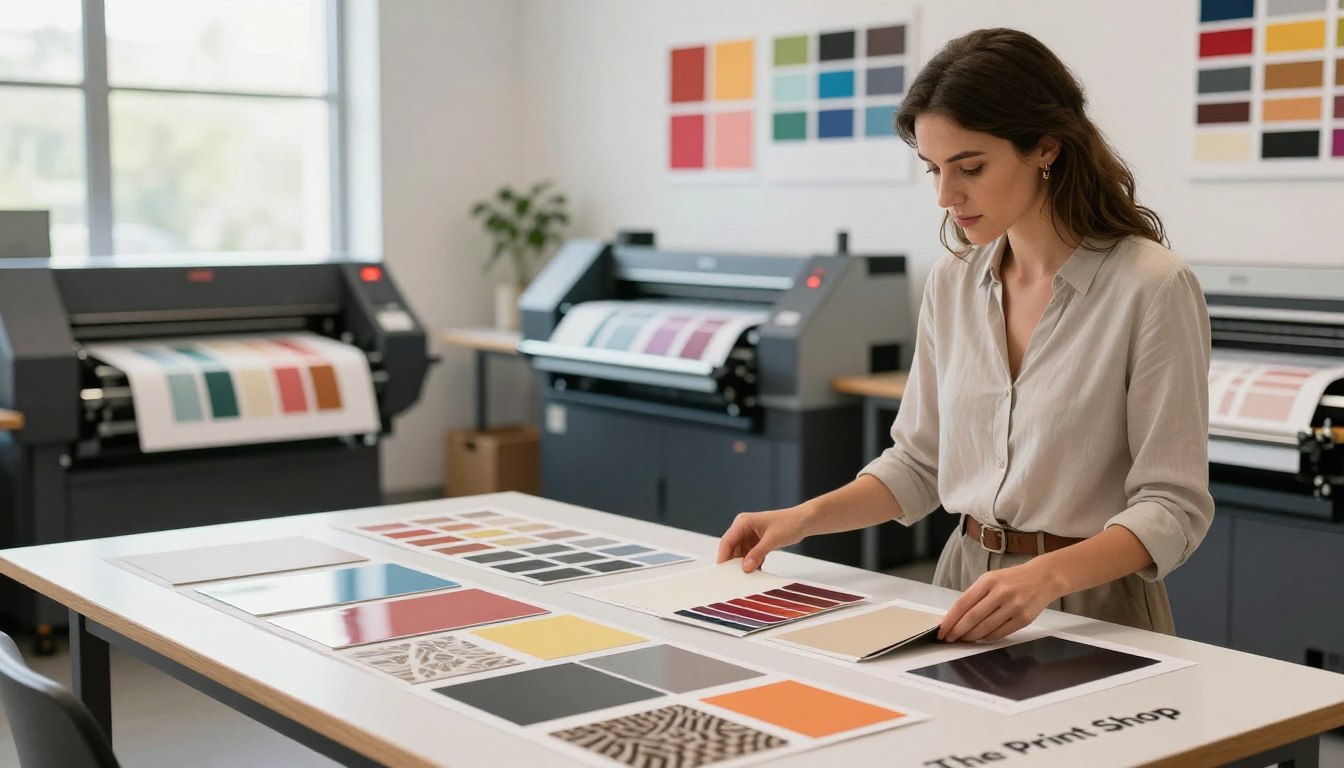
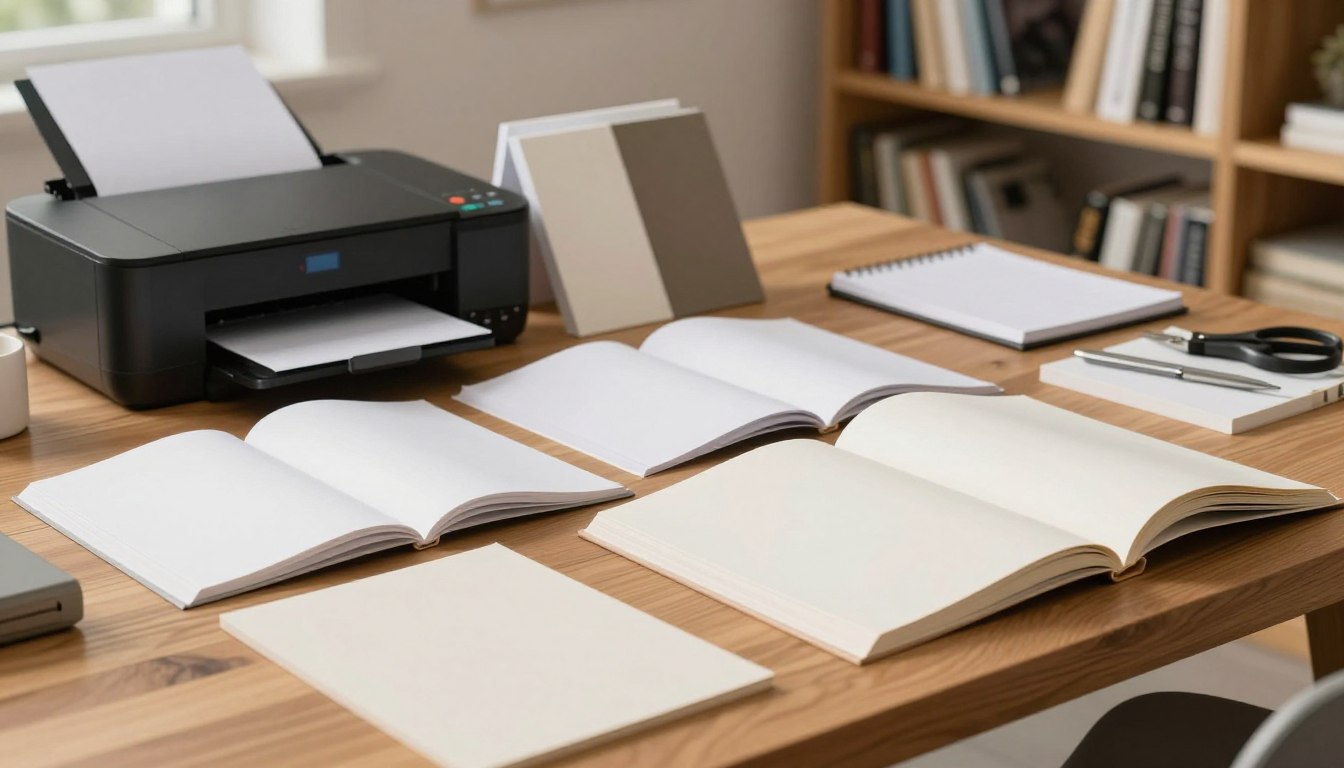
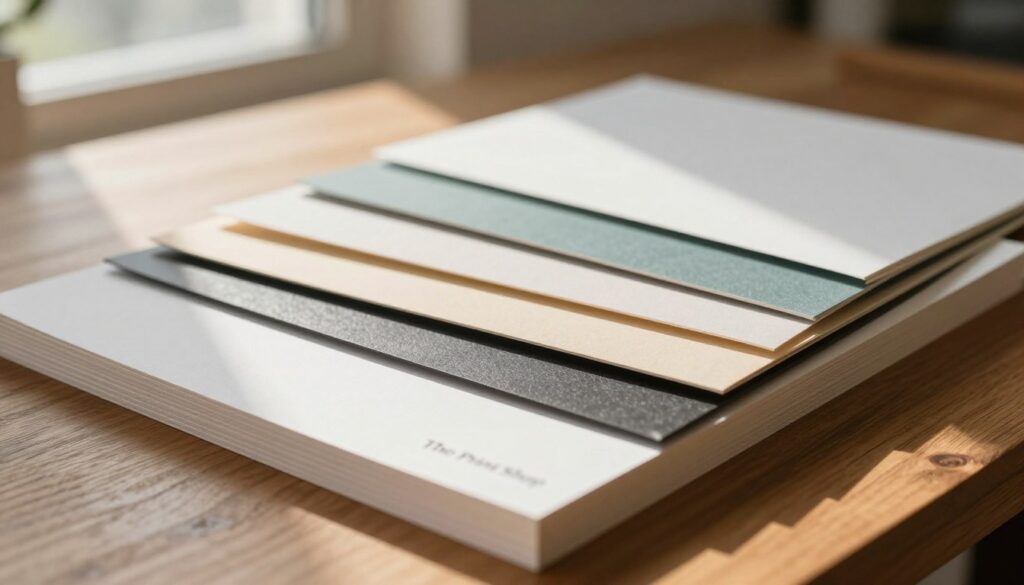
A close-up view of various paper types arranged aesthetically on a wooden table, featuring textured and smooth finishes like glossy, matte, and linen. In the foreground, highlight a stack of high-quality printing paper labeled "The Print Shop," showcasing its rich texture and weight. The middle layer includes subtle, elegant samples of different colors and sizes, with a soft-focus effect on their edges to convey depth. The background is softly lit, suggesting a warm atmosphere with natural light filtering through a nearby window, casting gentle shadows to enhance the visual appeal. The overall mood is inviting and professional, ideal for illustrating the importance of understanding paper properties for printing projects.

To get the best results for your printing, knowing about paper properties is key. When choosing paper for print projects, several important traits matter. These traits not only change how your printed stuff looks and feels but also how long it lasts and how well it works.

Weight and Thickness

Paper weight is measured in pounds (lbs) or grams per square meter (gsm). It greatly affects how durable and sturdy your printed stuff is. Thicker papers are more solid and less likely to bend or tear, making them great for things like business cards or postcards. For more on paper weight and its uses, check out this resource.

Brightness and Opacity

The brightness of paper impacts how bright colors look. Opacity makes sure text and images on one side don’t show through to the other. For projects needing bright colors and clear text, like marketing brochures, high brightness and opacity are key.

Texture and Finish

The texture and finish of paper can really change how your printed stuff looks and feels. You can choose from smooth, glossy finishes to textured, matte surfaces. For example, a glossy finish can make colors pop, while a matte finish can reduce glare and add a classy touch.

At our printing services, we’re here to help Monday through Friday, 9 AM to 5 PM. Knowing about these paper properties helps you make smart choices when selecting paper for printing. This way, your projects will meet your needs.

Common Paper Types for Printing

A beautifully arranged display of various types of printing paper, including glossy, matte, textured, and recycled options. In the foreground, stack different paper types with vibrant colors and distinct textures, showcasing examples like photo paper, cardstock, and brochure paper. In the middle, include a pair of professional hands examining a sheet closely, demonstrating texture and weight. The background features a softly lit print shop workspace with printing machines and paper samples neatly organized on a table, conveying a professional and inviting atmosphere. Use warm, diffused lighting to create an approachable feel. Focus on detailed textures and hues of the paper. Include branding elements of "The Print Shop" subtly in the workspace without overpowering the main subject.

There are many paper types out there, and it can be hard to choose. At The Print Shop, located at 46 S Main St Brigham City UT 84302, we guide you through the options. We help you find the perfect paper for your printing needs.

Bond Paper

Bond paper is great for business documents and office materials. It’s durable and has a smooth finish. Bond paper comes in different weights, so you can pick the right one for your project.

Text and Book Paper

Text and book paper are best for books, catalogs, and magazines. They are lighter and more opaque than bond paper. This makes text clear and easy to read. They come in various finishes, from matte to glossy, to meet different printing needs.

Cover Stock

Cover stock is heavy and rigid, perfect for covers and postcards. It’s available in many finishes and textures. Choosing the right cover stock can make a big difference in how your materials look.

Specialty Papers

Specialty papers offer unique options like textured, metallic, and colored papers. They can make your printing projects special and stand out. Whether you want a specific texture or a bold color, specialty papers have endless possibilities.

Paper Type Typical Use Characteristics
Bond Paper Business documents, letterheads Durable, smooth finish
Text and Book Paper Books, catalogs, magazines Lightweight, opaque, various finishes
Cover Stock Covers, postcards Heavy, rigid, various finishes and textures
Specialty Papers Creative projects Unique textures, colors, and effects

Knowing about the different paper types can help you make better choices for your projects. At The Print Shop, we’re here to help you get the best results. Visit us in person or contact us to learn more about our paper options and printing services.

How to Choose Paper for Printing

Choosing the right paper for your printing project is key to getting the look you want. We’ll guide you on how to pick the best paper for your needs.

Matching Paper to Project Purpose

The purpose of your print project helps decide the paper type. For example, glossy paper is great for marketing materials to grab attention. For business documents, a matte finish is better.

We look at your project’s goal to suggest the best paper. This way, your final product will clearly convey its message.

Considering Printing Method

The printing method affects the paper choice. Digital printing can use many paper types, while offset printing needs specific ones for the best results.

We check the printing method and recommend papers that match. This ensures your project turns out well.

Evaluating Durability Requirements

Durability is key when picking paper. If your materials will be handled a lot or need to last, choose a durable paper.

Durability Comparison Table

Paper Type Weight (gsm) Durability
Bond Paper 80-100 Moderate
Cardstock 200-300 High
Text Paper 100-150 Moderate to High

Assessing Visual Impact Needs

The paper’s finish and texture greatly affect your print’s look. Glossy enhances colors, while matte adds sophistication.

We assist in picking a paper that meets your visual needs. This ensures your project’s message is clear and impactful.

Paper Selection for Specific Projects

Different projects need different papers. Knowing what you need is crucial for a great print job. The right paper can make your project look better, whether it’s for work, marketing, photos, or books.

Business Documents and Stationery

For work papers, you want something professional. Choose a high-quality bond paper that’s strong and smooth. It’s perfect for letterheads, invoices, and more.

Marketing Materials and Brochures

Marketing stuff needs to grab attention. Use textured or glossy paper to make your brochures pop. Pick a sturdy paper, like cover stock, to handle well.

Photography and Art Prints

For photos and art, the paper matters a lot. Go for photo paper with a glossy or matte finish. It should bring out the colors and details well.

Books and Booklets

Books and booklets need the right paper too. For professional or school books, choose a good text or book paper. It should be strong but also print well.

Project Type Recommended Paper Type Key Characteristics
Business Documents Bond Paper Durable, smooth finish
Marketing Materials Cover Stock Sturdy, textured or glossy finish
Photography Prints Photo Paper High-quality, glossy or matte finish
Books Text or Book Paper Balanced durability and print quality

Choosing the right paper for your project ensures a top-notch finish. It meets your needs and boosts your print job’s quality.

Paper Finishes and Their Impact

Paper finishes are key to the look and feel of your printed work. They can change how people see your materials. This is important for your audience’s first impression.

Matte vs. Glossy

Matte finishes are sleek and understated. Glossy finishes pop with bright colors. Matte is best for clear text, as it cuts down on glare. Glossy is great for catching eyes with vibrant colors, like in ads.

Satin and Silk Finishes

Satin and silk finishes are in between matte and glossy. They feel smooth and look shiny but not too much. These are good for professional documents and stationery.

Textured Finishes

Textured finishes make your prints feel special. They can be soft or bold, like linen or felt. These are perfect for unique items, like wedding invites.

Specialty Coatings and Effects

Special coatings like varnish or foil add class to your prints. They highlight certain parts or give a luxury feel. For more on choosing the right paper, check our about us page.

Environmental Considerations in Paper Selection

Choosing the right paper is key for sustainable printing. We, as a responsible printing service, know how important eco-friendly choices are.

The type of paper used for printing greatly affects our ecological footprint. There are many options that can positively impact the environment.

Recycled Paper Options

Recycled paper is made from waste and cuts down on the need for new wood pulp. Using recycled paper can greatly reduce the environmental impact of your prints.

FSC-Certified Papers

Papers with the Forest Stewardship Council (FSC) certification come from well-managed forests. FSC certification supports sustainable forestry and is a good choice for those who care about the environment.

Eco-Friendly Alternatives

There are also other eco-friendly options like bamboo and hemp paper. These have a lower environmental impact and add unique textures to your prints.

Paper Type Environmental Benefit Printing Suitability
Recycled Paper Reduces waste and conserves natural resources High quality, suitable for most printing projects
FSC-Certified Paper Promotes sustainable forestry Excellent for marketing materials and business documents
Bamboo Paper Fast-growing bamboo reduces deforestation Ideal for creative and artistic printing projects

By picking eco-friendly paper, you help the environment and boost your brand’s green image.

Budget Considerations When Selecting Paper

The cost of paper is a big deal in any printing project. It’s key to find a balance between cost and quality. This way, you get what you need without spending too much.

Cost vs. Quality Balance

Finding the right balance between cost and quality is crucial. Cheaper paper might save money but could lower quality. High-quality paper, on the other hand, can make your prints look better and last longer, but it costs more. We recommend evaluating your project’s specific needs to find the best balance.

Quantity Considerations

The amount of paper you need affects the cost. Buying more can lead to discounts, but you need to plan to avoid waste. You should consider your project’s scope and timeline to figure out the best amount to order.

  • Assess your project’s requirements carefully
  • Consider the potential for future projects
  • Negotiate with suppliers for bulk discounts if applicable

Long-term Value Assessment

When looking at paper costs, think about the long-term value. A pricier paper might seem expensive at first, but it could save money later. We help you assess the long-term benefits of different papers to make a smart choice.

By thinking about these points, you can make choices that fit your budget and needs. At The Print Shop, we’re here to help you reach your printing goals without breaking the bank.

Professional Printing Consultation at The Print Shop

Our team at The Print Shop has over 20 years of experience. We help you choose the perfect paper for your printing needs. The right paper can greatly improve the quality of your prints.

Expert Paper Selection Services

We offer expert paper selection services to meet your expectations. We look at weight, brightness, and finish to find the best paper for you.

Custom Paper Sourcing

We also provide custom paper sourcing for unique needs. Whether you want a special texture or color, we can find it for you.

Sample Testing Process

We do a sample testing process before large print runs. This ensures the paper meets your quality standards and works with your printing method.

In-person Consultations

We offer in-person consultations at our facility. You can see and feel paper samples yourself. Our experts are ready to help and give advice.

Remote Design Support

For those who prefer remote work, we have remote design support. Our team can help you choose paper over phone, email, or video calls.

Service Description Benefit
Expert Paper Selection Personalized guidance on choosing the right paper Ensures high-quality printed materials
Custom Paper Sourcing Sourcing unique papers to meet specific needs Allows for creative freedom and unique finishes
Sample Testing Thorough testing of paper samples before printing Reduces risk of errors and ensures compatibility

At The Print Shop, we aim for exceptional printing results. Our professional printing consultation services are here to help you succeed. Contact us today to see how we can help with your printing needs.

Conclusion

Choosing the right paper is key to a successful printing project. It’s important to think about paper properties, printing method, and how long it will last. This helps improve the quality of your printed materials.

We’ve looked at different types of printing paper, finishes, and how they affect the environment. By following the best practices in this article, your printing projects will meet your needs. They will also clearly share your message.

At The Print Shop, we’re here to help you reach your printing goals. Our experts can guide you on picking the right paper and more. Together, we can make sure your printed materials show your professionalism and care for detail.

FAQ

What factors should I consider when choosing paper for my printing project?

When picking paper, think about the project’s goal, how it will be printed, and how long it needs to last. Also, think about how you want it to look. We can help you figure out the best choice.

How does paper weight and thickness affect the printing outcome?

Paper weight and thickness change how your prints feel and last. Thicker papers are more solid, while thinner ones are cheaper. We can help you pick the right one for your project.

What is the difference between matte, glossy, and satin paper finishes?

Matte finishes cut down on glare, glossy ones make colors pop, and satin is a mix. The right finish depends on your project. We can help you choose.

Are there eco-friendly paper options available for printing?

Yes, we have recycled, FSC-certified, and eco-friendly papers. They help make your printing greener. We can help you pick the best one for your project.

How do I balance cost and quality when selecting paper?

To find a good balance, think about your project’s needs, how many you need, and its long-term value. We can help you find the best mix of cost and quality.

Can you help me with custom paper sourcing for my printing project?

Yes, we offer custom paper sourcing. Our team can help you find the perfect paper for your project. We’ll guide you for the best results.

What is the benefit of working with a professional printing consultation service?

Our services, like expert paper selection and testing, ensure your project’s success. We offer personalized advice for the best outcome.

How do I assess the long-term value of my printing project?

To judge long-term value, think about the project’s purpose, how long it needs to last, and its impact. We can help you make informed choices.

How to Choose a Local Printing Service You Can Trust

When you need to show your business in the best light, high-quality printing is key. At The Print Shop, we know how important reliable and consistent printing services are. We’re open from 9 AM to 5 PM, Monday to Friday. You can reach us at 435-723-4200 or email design@tpsbc.com for design questions.

Finding the best local printing company means looking at quality, reliability, and service. You want a service that always delivers top-notch prints. This helps your business shine.

Key Takeaways

  • Quality is paramount when selecting a printing service.
  • Reliability ensures consistent delivery of high-quality prints.
  • Excellent customer service is crucial for a smooth experience.
  • Check business hours and contact information for convenience.
  • Design inquiries should be handled efficiently.

Understanding Your Printing Needs

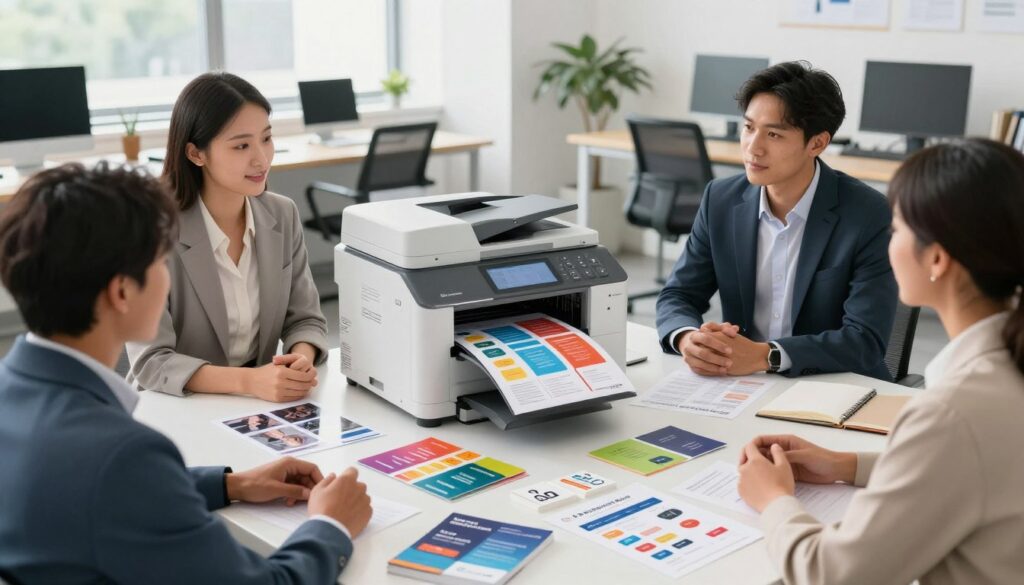
A modern office environment designed to illustrate "finding the right printer for your needs." In the foreground, a diverse group of professionals, dressed in smart business attire, engaged in a discussion around a table filled with colorful print samples showcasing brochures, business cards, and flyers. In the middle, a sleek printer labeled "The Print Shop" with vibrant prints emerging from it, representing different products tailored for various printing needs. The background features a well-organized office with bright natural light streaming through large windows, enhancing the atmosphere of collaboration and innovation. The overall mood is professional, informative, and inviting, conveying the essence of understanding and fulfilling printing requirements effectively. The angle is slightly elevated to capture both the participants and the printer prominently.

Before you start looking for a local printing service, it’s key to know what you need. This knowledge helps you make smart choices and find a printer that fits your needs.

Identifying Your Project Requirements

First, think about why you need to print something. Are you looking for commercial printing services or something for personal use? Commercial printing is for big jobs and needs special touches to look professional.

Commercial vs. Personal Printing Needs

Commercial printing means lots of copies and special finishes like glossy or matte. Personal printing is smaller and simpler. Knowing this helps pick the right service.

Special Finishing Requirements

Some projects need extra touches like binding or laminating. Knowing this early helps find a service that can do it.

Determining Volume and Frequency

Think about how many prints you need and how often. Do you print a lot once a year or a few times a month? This helps with planning and budgeting.

Setting a Realistic Budget

It’s important to set a budget that works for you. You want quality without breaking the bank. Shops like The Print Shop, open since 2002, can help with affordable options.

By knowing what you need, you can compare local options and find the best printer for you.

The Importance of Choosing a Local Printing Service

A bustling local printing shop named "The Print Shop" comes to life in the foreground, showcasing a variety of colorful printed materials like brochures, business cards, and posters displayed on a clean, organized counter. In the middle ground, a friendly staff member in professional business attire assists a customer, emphasizing a personal touch in service. The shop is filled with modern printing equipment, such as a large digital printer and cutting tools. In the background, bright natural light floods through large windows, creating a warm, inviting atmosphere. Soft shadows enhance the details, while the vibrant colors of the printed materials contrast with the neutral tones of the shop's interior. The mood is friendly, professional, and community-oriented, reflecting the importance of local printing services.

Local printing services offer quality, convenience, and support for the community. By picking a local service, like The Print Shop at 46 S Main St, Brigham City, UT 84302, you get top-notch prints. You also help the local economy grow.

Benefits of Working with Local Businesses

Choosing local businesses, like The Print Shop, has many perks. You get personalized service because they know your needs well. They also work fast, so your prints are ready quickly.

Community Impact of Supporting Local Printers

Helping local printers benefits the community a lot. It keeps money in the local economy, helping it grow. When you pick a local service, you’re helping your community thrive.

Environmental Considerations of Local Production

Local production is good for the environment. It has two main benefits:

  • Reduced Carbon Footprint: It cuts down on emissions by avoiding long trips.
  • Sustainable Practices: Shops like The Print Shop use eco-friendly methods, like recycling.

Choosing a local service means you get quality prints and support green practices. This makes your business more eco-friendly and responsible.

Researching Local Printing Options in Your Area

Looking into local printing services is key to getting what you need. We must first find out what’s available in our area.

Using Online Search Tools Effectively

Online search tools are great for finding local printers. Just type in “local printing services near me” or “printing companies in [your city].” This will give you a list of options. Look for those with good reviews and highlights of their strengths.

Asking for Recommendations from Business Networks

Talking to other business owners can help a lot. They can share their good and bad experiences. This helps us make a better choice.

Checking Business Directories and Associations

Business directories and local associations are also useful. They list trusted businesses and their services. This makes it easy to find potential printers.

Finding Printers Like The Print Shop in Brigham City

In Brigham City, you might find The Print Shop. Such local businesses are known for their community service and personal touch.

Here’s a comparison of factors to consider when researching local printing options:

Factor Online Search Recommendations Business Directories
Reliability Check reviews and ratings Ask about their experiences Look for listed businesses with good reputations
Service Range Visit their websites Inquire about the services they offer Check the services listed in directories
Cost Compare prices online Ask about their pricing models Some directories may list pricing information

By combining these methods, we can find the best local printing service for our needs.

How to Choose Local Printing Services: Essential Criteria

Choosing a local printing service requires careful thought. It’s vital to find a reliable partner for your business’s success. There are key factors to consider to make the right choice.

Experience and Establishment History

A printing service with a long history has likely perfected its processes. Evaluating the longevity of a printing service, like The Print Shop’s 20+ years, shows reliability and quality commitment.

Evaluating Longevity

Longevity in the printing business shows a company’s ability to adapt and maintain quality. It means the company has overcome challenges and understands customer needs well.

Range of Services Offered

A local printing service with a wide range of services can meet various business needs. Assessing the variety of services helps determine if a service can grow with your business.

Technology and Equipment Quality

The quality of technology and equipment used by a printing service affects the final product. State-of-the-art equipment ensures high-quality prints and precise finishing. It’s important to ask about the types of printers and equipment used.

By considering these essential criteria, you can make an informed decision. Choose a local printing service that meets your business needs.

Evaluating Print Quality and Consistency

Print quality is key for your business’s image. It’s vital to check local printing services carefully. When searching for the best local printing company, look at their ability to consistently produce high-quality prints.

Requesting Samples of Previous Work

Getting samples of previous work is a smart move. It shows what the local print shops can do. Check for clear prints, accurate colors, and the finish.

Checking for Color Accuracy and Precision

Color accuracy is important for your brand’s image. Make sure the printing service uses top-notch equipment. Compare the printed samples with your original files to check for color accuracy.

Assessing Paper and Material Options

The type of paper and materials used can change the final product. Good local print shops offer many options. This includes everything from standard paper to glossy or matte finishes.

Specialty Materials Availability

Some services offer special materials like textured paper or eco-friendly options. See if these are available and how they can improve your prints.

By looking at these details, you can pick the best local printing service. The right one can make your brand look great with high-quality prints.

Pricing Structures and Value Assessment

We guide you through the pricing options of local printing services to find the best value. It’s key to understand the pricing models when choosing a local printer. This ensures you stay within your budget and meet your needs.

Understanding Different Pricing Models

Local printers use different pricing models like cost-per-unit, tiered pricing, and package deals. Transparent pricing is important so you know what you’re paying for. Remember, some printers might charge extra for design or rush orders, so ask about these.

Comparing Quotes Between Local Providers

To compare quotes well, give each printer the same project details. This way, you can compare fairly. Always ask for a detailed cost breakdown to spot any pricing differences.

Identifying Hidden Costs and Fees

Hidden costs can add up fast. Always ask about extra fees when getting quotes. For more on transparent pricing, check our about page.

Questions to Ask About Pricing

When asking about prices, ask what’s included in the base price. Also, ask if there are discounts for big orders or rush fees. Knowing this helps you choose the right printer for your needs.

Customer Service Excellence: What to Look For

A good printing company focuses on excellent customer service. When you work with a local service, you want quality prints and a smooth experience.

Responsiveness and Communication Channels

A top print shop should be easy to reach. You can contact them by phone or email. For example, a service with a number like 435-723-4200 and an email at design@tpsbc.com shows they’re there for you.

Accessibility via Phone and Email

Having many ways to communicate is key. It means you can get help or share feedback anytime. A company that values its customers will be quick to respond to your needs.

Flexibility with Deadlines and Rush Orders

Being flexible is important, like when plans change or you need something fast. A service that can handle rush orders or adjust timelines is a big plus. This flexibility is crucial when time is tight.

Problem Resolution Policies and Guarantees

Even with the best plans, problems can happen. A reputable company has clear policies for fixing issues and guarantees to protect you. This might include free reprints if they make a mistake.

Look for these qualities in a local printing service. Great customer service means being quick to respond, flexible, and ready to solve problems. When picking a printing partner, focus on these to have a great experience.

The Design Process: Collaboration and Support

Your printing project’s success begins with a solid design process. It needs the right printing service. At local print shops like The Print Shop, we know how key collaboration and support are.

In-House Design Services Evaluation

Choosing a printing service means checking their design skills. Find a service that gives full design support, from start to finish. This way, your project is in the hands of experts in print design.

File Preparation Assistance

Getting your files ready is crucial for a smooth print process. A good service will help with file preparation. They’ll guide you on file formats, resolution, and color settings.

Contacting Design Teams

Talking directly to the design team makes the process easier. For example, you can email The Print Shop’s design team at design@tpsbc.com for help.

Proofing and Revision Processes

A good proofing and revision process is key to a great final product. Top printing services offer many proofing chances. This lets you check and change your design until it’s just right.

Working with a service that supports design well leads to a top-notch final product. It will meet your needs perfectly.

Assessing Convenience Factors

When looking for a printing service, convenience is key. You want a hassle-free experience. Several factors help ensure the service meets your needs well.

Location and Accessibility

The service’s location matters a lot. A place like 46 S Main St, Brigham City is easy to get to. This makes picking up your prints simple.

Business Hours Compatibility

Check the service’s hours too. Hours like 9 AM to 5 PM, Monday to Friday fit most people’s schedules. This makes planning easier.

Online Ordering Options

Online ordering is a big plus. It lets you order anytime, anywhere. This makes the process more flexible and efficient.

Convenience Factor Description Benefit
Central Location Easily accessible by car or public transport Saves time and effort
Standard Business Hours Operates during regular business hours Fits within your working schedule
Online Ordering Ability to place orders online Increases flexibility and efficiency

Think about these factors to find a printing service that works for you. It should meet your needs and fit into your business life easily.

Turnaround Times and Delivery Options

When picking a local printing service, consider turnaround times and delivery options. Knowing these details helps ensure your projects are done and delivered on time.

Standard Production Timeframes

Local printing services have standard times for different jobs. Simple tasks like business cards can take 24 to 48 hours. But, bigger or more complex projects might need longer.

Rush Order Capabilities

For urgent needs, many printers offer rush orders. This service makes sure your job is done fast, often in a few hours. Be sure to ask about rush order costs and what’s guaranteed.

Shipping and Local Delivery Services

After your job is done, the printer will deliver it. Local companies offer various shipping and delivery services. You can choose from standard to expedited options.

Pickup Options and Procedures

Many printers also offer pickup for your job. This can save time and money on shipping. It’s smart to ask about pickup details, like hours and any special needs.

Service Standard Timeframe Rush Order Timeframe Shipping Options
Business Cards 24-48 hours Same day Ground, Expedited
Brochures 3-5 business days 24 hours Ground, Expedited, FedEx
Large Format Prints 5-7 business days 3-5 business days Specialty Delivery, White Glove

Understanding turnaround times and delivery options helps plan your printing projects better. Whether it’s a quick job or a complex one, the right local printing service is key.

Reading Reviews and Testimonials Effectively

To make a smart choice when choosing a printing service, it’s key to know how to read reviews well. Reviews from past clients give insights into a printing company’s quality and reliability.

Where to Find Reliable Reviews

You can find trustworthy reviews on Google, Yelp, and industry-specific sites. It’s smart to check different places to get a full picture of a printing service’s reputation. For example, visit https://www.tpsbc.com/ to see reviews and testimonials about local printing services.

Red Flags to Watch For in Customer Feedback

When you read reviews, look out for signs of trouble. Watch for complaints about quality, service, or how fast they work. Also, be cautious of reviews that seem too good to be true or sound the same.

Interpreting Mixed Reviews

Mixed reviews can be tricky. Look for patterns in what people say. This can show you what a printing service does well and what they could improve on.

Reaching Out to Past Clients

For a deeper look, try talking to past clients yourself. They can share their real experiences with the printing company.

Conclusion: Making Your Final Decision

Now you’ve thought about what matters in picking a local printing service. Look at their quality, customer service, and how easy it is to work with them. A good local printer, like The Print Shop, will have all these qualities. They’ll make sure your printing needs are handled well.

When picking a service, check their experience, tech, and design skills. Also, look at their prices, how fast they work, and how they deliver. This way, you can choose wisely for your business. Working with a local business can be a big plus, as they know your community’s needs.

Choosing the right local printing company means you get top-notch printing, personal service, and a partner for your business’s success. Do your homework, compare, and pick the service that meets your needs best.

FAQ

What factors should I consider when choosing a local printing service?

When picking a local printing service, think about their experience and services. Check their technology and print quality. Also, consider their customer service, convenience, and prices. This ensures you get a reliable partner that fits your needs.

How do I determine my printing needs?

To figure out your printing needs, first, know what you need for your project. Think about how often and how many prints you’ll need. And, set a budget. Knowing this helps you find a service that can meet your demands.

Why is it important to choose a local printing service?

Choosing local supports local businesses and has environmental benefits. It also means better customer service. Plus, it helps your community.

How can I research local printing services effectively?

To find local printing services, use online search tools and ask for recommendations. Check local directories too. These steps help you find the best local print shops.

What should I look for when evaluating the quality of a printing service?

When checking print quality, ask for samples and look at color accuracy. See the variety of papers and materials they offer. This shows their consistency and ability to meet your needs.

How do I compare pricing between different local printing services?

To compare prices, understand their pricing models and get quotes from different services. Look for any hidden costs. This helps you see the value each service offers.

What characteristics define excellent customer service in a printing service?

Good customer service means being responsive and flexible with deadlines. They should have clear policies for solving problems. Look for a service that values communication and customer happiness.

How important is the design process when working with a printing service?

The design process is key to ensure your materials look great. Look for a service that offers design help and a thorough proofing process. This ensures your expectations are met.

What convenience factors should I consider when choosing a printing service?

Consider the service’s location, hours, and if they offer online ordering. A convenient service saves time and makes the process smoother.

How do I interpret reviews and testimonials when selecting a printing service?

When reading reviews, look for trustworthy sources and watch for red flags. Learn to understand mixed feedback. Talking to past clients can also give you valuable insights.

What should I know about turnaround times and delivery options?

Know the standard production times, rush options, and delivery services. This helps you plan and ensures your prints arrive on time.

How to Choose the Right Print Finish for Your Project

The finishing technique you choose shapes how people experience your brand. A well-selected print finish can make your project stand out. It makes it more engaging and memorable for your audience.

At our printing service, we know how important it is to get it right. That’s why we’re here to guide you. Whether you want to make a lasting impression or ensure your materials look great, we’re committed to helping you achieve your goals.

To start, think about what you want to achieve with your project. Consider how a certain print finish can help. If you’re unsure, we’re here to help. Feel free to contact us at 435-723-4200 or email us at design@tpsbc.com for professional advice.

Key Takeaways

  • Selecting the right print finish is crucial for your project’s success.
  • A well-chosen finish can enhance your brand’s image and customer experience.
  • Consider your project goals when deciding on a print finish.
  • Professional advice is available to help you make the best choice.
  • Contact us for personalized guidance on choosing the perfect print finish.

Understanding Print Finishes and Their Importance

Knowing about print finishing options is key to making your printed stuff look great. These finishes make your materials look better and last longer.

What Are Print Finishes?

Print finishes are ways to make printed stuff look and feel better. They can be simple or complex, like embossing and debossing. These add texture and quality to your designs.

Why Print Finishes Matter for Your Project

Print finishes are important because they change how people see your project. The right finish can make your brand look better. For example, glossy finishes make colors stand out, while matte finishes give a sleek look.

Impact on Visual Appeal and Durability

The right finish can make your printed stuff look better and last longer. Varnishing or laminating, for example, protects your prints from damage. This makes them last longer.

Print Finish Visual Appeal Durability
Varnish Enhances colors Protects from wear
Lamination Gives a professional look Highly durable
Embossing Adds texture Moderately durable

Need help picking the right print finish for your project? Contact us for a consultation. We’re here to help you choose the best option for your printing needs.

Types of Print Finishes: A Comprehensive Overview

To choose the right print finish, you need to know your options. Print finishing makes your materials look better and last longer. It makes them more interesting and durable.

Coating Finishes

Coatings like varnish, aqueous, and UV protect and enhance your prints. Varnish coatings can be glossy or matte. Aqueous coatings are eco-friendly and add a slight shine. UV coatings are tough and protect against damage.

Lamination Options

Lamination adds a protective layer to your print. You can choose from gloss, matte, and soft touch finishes. Gloss lamination makes prints shiny. Matte lamination reduces glare and looks sophisticated. Soft touch lamination makes prints feel luxurious.

Specialty Finishes

Specialty finishes like foil stamping, embossing, and debossing add unique touches. Foil stamping uses metallic foil for striking designs. Embossing and debossing create three-dimensional effects.

Emerging and Trending Finish Techniques

New trends in print finishing are always coming up. Techniques like spot varnishing and textured finishes are becoming popular. They offer fresh ways to make your prints pop.

Knowing about different print finishes helps you pick the best one for your project. This choice can make your project look better and last longer.

Assessing Your Project Requirements

Understanding your project’s needs is key to picking the right print finish. You must evaluate several important factors. These will help you choose the best print finish for your project.

Identifying Your Project Goals and Purpose

First, define your project’s objectives. Are you making marketing materials, packaging, or business stationery? Your project’s purpose greatly affects the print finish choice. For example, glossy finishes are great for marketing brochures to catch the eye. On the other hand, matte finishes are better for a classy, elegant look.

Considering Your Target Audience

Your target audience is crucial in picking the right print finish. Think about their preferences, age, and how they’ll see your materials. For instance, younger people might like shiny, glossy finishes. But, a professional audience might prefer a soft, matte finish.

Determining Budget Constraints

Cost is a big factor in choosing a print finish. Different finishes cost different amounts. For example, fancy finishes like foil stamping or embossing are pricier than basic varnish or lamination. Knowing your budget helps you choose within your means.

Timeline Considerations

Also, think about your project’s timeline. Some finishes take longer to make because they involve extra steps. If you’re tight on time, choose a simpler finish or plan early to meet your deadline.

Project Factor Considerations Impact on Print Finish
Project Goals Purpose, desired impression Finish type (glossy, matte, etc.)
Target Audience Age, preferences, context Finish appeal and effectiveness
Budget Cost constraints Finish cost and value
Timeline Production time, deadlines Finish complexity and lead time

By carefully looking at these factors, you can choose the best print finish for your project. This ensures it meets your goals, appeals to your audience, and stays within your budget and timeline.

How to Choose Print Finishes Based on Print Materials

Knowing how different print materials react to finishes is crucial. The right finish can make your prints look better and last longer. But, it all depends on the material you choose.

Paper Types and Compatible Finishes

Different papers react differently to finishes. For example, glossy paper looks great with varnish or UV coating. It makes colors pop and adds protection. On the other hand, matte paper is better with aqueous coating or soft touch lamination. It gives a nice feel.

Paper Type Compatible Finishes
Glossy Varnish, UV Coating
Matte Aqueous Coating, Soft Touch Lamination
Textured Spot Varnish, Embossing

Non-Paper Substrates and Finish Options

For non-paper materials like plastic, metal, or fabric, choosing the right finish is key. For instance, plastic substrates can get a boost from lamination for extra toughness. Metallic substrates might need special coatings to stop rust.

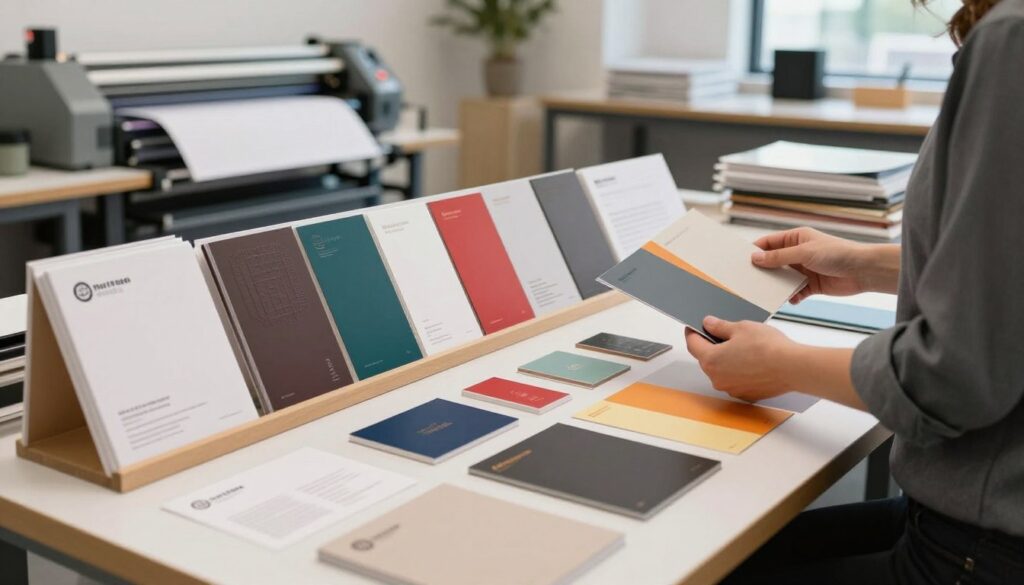
A visually striking workspace featuring an assortment of print finishing options designed by The Print Shop. In the foreground, an elegant display of various print materials, including brochures and business cards, showcasing finishes such as glossy, matte, embossed, and foil accents. The middle ground highlights a professional individual in business attire examining samples under a soft, diffused light, with vibrant colors highlighting each finish. In the background, a well-organized print station with equipment and tools used for applying finishes, surrounded by a warm and inviting atmosphere, resembling a modern printing studio. The image should convey a sense of professionalism and creativity, emphasizing the careful selection of print finishes to enhance project presentation. Aim for a balanced composition with sharp focus and a depth-of-field that draws attention to the materials being examined.

Material-Finish Interaction Considerations

It’s important to think about how materials and finishes interact. Some materials might not stick well to certain coatings, or they could react badly. Knowing this helps pick finishes that look good and work well.

Testing Finishes on Your Selected Materials

Always test the finish on your material before a big print job. This makes sure it works well and saves you from expensive reprints. Testing also lets you see how the finish affects the material’s look and durability.

By picking the right finish for your material, you can make your project look professional and stand out. The best print finishing techniques are those that match the material and improve the print’s quality.

Matching Print Finishes to Different Project Types

Choosing the right print finish is crucial for your project’s success. Each project has its own needs for look and function. We’ll show you how to pick the best finish for your project.

Business Cards and Stationery

Business cards and stationery need a professional touch. Matte or soft-touch finishes give a premium feel and resist fingerprints. A spot varnish can highlight important parts like logos or text.

Brochures and Marketing Materials

Brochures and marketing materials should stand out. A glossy finish makes colors and images vibrant. A matte finish adds a sleek look. Mixing finishes, like gloss varnish over matte laminate, adds interest.

Packaging and Product Labels

Packaging and labels need to be durable. A laminated finish guards against moisture and wear. A varnish adds protection and shine. A soft-touch finish offers a luxurious feel.

Books and Publications

Books and publications should be easy to read and last long. A matte finish reduces glare and improves readability. A linen finish adds a special texture.

Large Format Printing

Large prints, like banners and posters, need a tough finish. A glossy laminate boosts colors and protects from the weather. A matte laminate cuts down on glare.

Choosing the right print finish is key to your project’s success. We’re here to guide you through the options. Your project will look its best with our help.

Environmental Considerations When Selecting Print Finishes

The print finish you choose can greatly affect your project’s environmental impact. It’s key to think about the ecological footprint of your choices.

Eco-Friendly Finish Options

Eco-friendly print finishes aim to reduce environmental harm. They include aqueous coatings, recycled materials, and biodegradable finishes. Aqueous coatings, for example, are water-based and safe, better than traditional varnishes.

A serene workspace showcasing eco-friendly print finishes, featuring a wooden desk in the foreground. On the desk, there are samples of recycled paper with various textures and finishes, including matte and gloss, highlighting sustainable inks and natural fibers. Soft natural light streams in from a large window in the background, illuminating a potted plant to add a touch of green. Displayed on a shelf are eco-friendly tools and materials, promoting a sustainable printing environment. The overall atmosphere is professional and inviting, emphasizing the importance of environmental considerations in print finishing. Shot from a slightly elevated angle with a shallow depth of field, the focus is on the print samples while the background remains softly blurred. The Print Shop branding is subtly incorporated into the scene through the print samples.

Recyclability and Sustainability Factors

When picking print finishes, look at their recyclability and sustainability. Some finishes can harm recycling or not break down. We need to check the environmental impact of our choices.

Finish Type Recyclability Sustainability
Aqueous Coating High High
UV Coating Low Low
Lamination Variable Variable

Balancing Environmental Impact with Project Needs

It’s important to balance environmental concerns with your project’s needs. Eco-friendly options are good, but they must also meet your project’s look and durability needs.

Communicating Green Choices to Your Audience

Telling your audience about your green choices can boost your brand’s image. Showing you care about the environment can attract eco-conscious buyers.

Cost Analysis of Different Print Finishing Techniques

When planning your print project, it’s vital to consider the costs of different finishing techniques. The finish you choose can significantly impact the overall cost and effectiveness of your project.

Budget-Friendly Finish Options

For projects with tight budgets, there are several budget-friendly finish options. Aqueous coating and spot varnish are cost-effective ways to enhance the appearance of your prints without breaking the bank. These finishes can add a professional touch to your materials while keeping costs under control.

Premium Finishes and Their Value Proposition

Premium finishes like foil stamping and embossing can elevate your brand’s image and make your materials stand out. While these techniques are more expensive, they offer a unique value proposition by creating a lasting impression on your audience.

Calculating ROI for High-End Finishes

To justify the cost of high-end finishes, it’s essential to calculate the return on investment (ROI). Consider how these finishes will impact your brand’s perception and the response they elicit from your target audience. By quantifying the benefits, you can make a stronger case for investing in premium finishes.

Planning for Finish Costs in Your Project Budget

To avoid cost surprises, it’s crucial to plan for finish costs early in your project budget. We recommend allocating a specific portion of your budget for finishing techniques and exploring options that balance cost with the desired impact.

Common Print Finish Combinations and Their Effects

Knowing how to mix print finishes is key to making your materials look great. Different finishes can add depth and class to your work.

Complementary Finish Pairings

Some finishes go well together, making your materials pop. For example, glossy lamination and spot varnish create a striking look. This highlights certain parts of your design.

Layering Techniques for Maximum Impact

Using different finishes together can make your designs more interesting. Mixing foil stamping with embossing adds a luxurious feel. For more on choosing the right paper finish, check out our guide on tips to choose the right paper finish for spiral-bound.

Avoiding Finish Compatibility Issues

Not all finishes work well together. Always test different combinations to avoid problems. Some finishes might not stick to certain papers or react badly when layered.

Case Studies: Successful Finish Combinations

Finish Combination Effect Application
Gloss Lamination + Spot Varnish Contrasting finishes create visual interest Brochures, Marketing Materials
Foil Stamping + Embossing Luxurious, tactile effect Business Cards, Stationery
Matte Lamination + Debossing Sophisticated, subtle appearance Books, Packaging

Understanding print finish combinations can help you improve your projects. Try out different pairings and layering to get the look you want.

Working with Print Professionals: Questions to Ask

Talking well with print experts is key to a great print project. It’s important to ask the right questions to get the best results.

Consulting with Your Printer About Finish Options

Talk to your printer about what you need for your project. Ask about different finishes and what they suggest for your project. For example, you can ask about varnish or aqueous coatings to make your project look better.

For more info on picking the right paper weight, check out our guide on how to choose the right paper.

Requesting Samples Before Committing

Getting samples before a big print run is a smart move. Ask your printer for samples of different finishes on your chosen material. This lets you see and feel the finish before you decide.

Understanding Production Requirements and Limitations

Knowing what your chosen finish needs is important. Talk to your printer about their equipment and any limits. This helps you make good choices and avoid surprises.

Finish Type Production Requirements Potential Limitations
UV Coating Specialized equipment for curing May not be suitable for all paper types
Foil Stamping Requires metallic foil and heat Can be expensive for small quantities
Lamination Needs laminating equipment May affect recyclability

Communicating Your Vision Effectively

To make sure your printer gets your vision, talk clearly and give them all the details. Use pictures or mock-ups to show your ideas. By working well with your printer and asking the right questions, you can get a print finish that looks great and makes your project stand out.

Conclusion: Making Your Final Decision

Choosing the right print finish can make your project stand out. Think about your goals, who you’re reaching out to, and your budget. This helps you pick a finish that looks good and lasts long.

We’ve looked at different print finishes, like coatings and special effects. We’ve also talked about how important it is to know what you need and work with experts. This way, you get the best results for your project.

When you decide on a print finish, think about the environment and cost too. This way, you get a top-notch finish that also fits your brand’s values.

Need help choosing the right print finishes? Contact us. Our team is ready to help you show off your brand in the best way possible.

FAQ

What are print finishes, and why are they important for my project?

Print finishes make printed materials look better and last longer. They are key for your project because they affect how your message or brand is seen and felt. This can greatly improve your printed materials’ effectiveness.

How do I choose the right print finish for my project?

Think about what you want to achieve, who you’re making it for, and your budget. Also, consider the material you’re using and how the finish will work with it. Talking to print experts can help you find the best fit for your project.

What are the different types of print finishes available?

There are many print finishes, like varnish, aqueous, and UV coatings. You also have lamination options like gloss, matte, and soft touch. Plus, there are specialty finishes like foil stamping, embossing, and debossing. Each has its own use and look.

How do print finishes affect the durability of my printed materials?

Print finishes can make your materials last longer by protecting them from damage, moisture, and fading. For example, lamination helps prevent damage, while certain coatings guard against UV light.

Are there eco-friendly print finish options available?

Yes, there are eco-friendly options like aqueous coatings and recyclable laminations. When picking a finish, think about its environmental impact. Choose options that fit your brand’s green goals.

How do I balance the cost of print finishes with my project budget?

To manage costs, weigh the value of different finishes and decide what’s most important. Look for affordable options and include finish costs in your budget. Consider if the extra cost of certain finishes is worth it.

Can I combine different print finishes, and if so, how?

Yes, mixing different finishes can create unique effects. Use complementary finishes and plan carefully to make your materials stand out. But, be aware of any issues that might arise from combining finishes.

What questions should I ask my printer about print finish options?

Ask your printer about the finishes they offer, their suggestions for your project, and if they have samples. Discuss production details and how to share your vision. This helps ensure you get what you need.

How can I ensure that my chosen print finish aligns with my brand’s image and messaging?

Think about your brand’s identity and the project’s purpose. Consider how the finish will be seen by your audience. Testing finishes and getting advice from print experts can help you make the right choice.

How to Frame Large Format Prints Without Warping or Damage

Framing large format prints needs careful steps to avoid warping or damage. The Print Shop, started in 2002, offers the knowledge to help you.

Whether it’s preserving a valuable art piece or showing off a big poster, we’ll guide you. Our team is committed to ensuring your project looks perfect.

Call us at 435-723-4200 or visit 46 S Main St, Brigham City, UT 84302 for expert advice on framing artwork.

Key Takeaways

  • Understand the importance of scale and material in framing large format prints.
  • Learn about the different glazing options to prevent damage.
  • Discover the steps to properly preserve your artwork.
  • Find out how to display your prints with confidence.
  • Get expert advice from The Print Shop on framing artwork.

Understanding Large Format Prints and Their Challenges

A well-organized studio workspace showcasing large format print framing techniques. In the foreground, a large print of a vibrant landscape is carefully laid out on a flat, sturdy table with framing materials such as wooden frames, acid-free mats, and glass. The middle section features a skilled professional, dressed in a smart casual outfit, measuring and cutting the matting with precision tools. In the background, shelves filled with various framing supplies and finished framed prints create a sense of depth and organization. Soft, diffused lighting illuminates the scene, highlighting the textures of the print and framing materials. The atmosphere is focused and creative, inviting viewers to understand the delicate process of preserving large format prints. The logo "The Print Shop" is subtly included in the design elements of the workspace, enhancing the professionalism of the setting.

Large format prints face unique challenges that need careful handling and framing. Whether it’s a fine art giclée print on canvas or a commercial poster, their size and material matter a lot.

What Qualifies as a "Large Format" Print

Large format prints are usually over 24 inches wide. They can be a few feet to over 10 feet long. These prints are often displayed in homes, offices, and public areas.

Common Materials Used in Large Format Printing

These prints can be made from paper, canvas, vinyl, or fabric. Each material has its own needs for handling and framing.

Material Characteristics Framing Considerations
Paper Prone to tearing, sensitive to moisture Use acid-free materials, consider UV-protective glazing
Canvas Flexible, can be stretched or mounted Consider float mounting or stretching over a frame
Vinyl Durable, water-resistant Use a sturdy frame, consider adhesive mounting

Why Large Prints Are Prone to Damage

Large prints can get damaged because of their size and materials. They can be heavy, leading to sagging or tearing if not supported right. Also, they’re sensitive to light, humidity, and temperature changes.

At The Print Shop, we know how important proper framing and handling are for large prints. Our team is ready to help with custom framing options. We’re open from 9 AM to 5 PM, Monday to Friday.

Types of Large Format Prints and Their Specific Framing Needs

A bright and inviting studio space showcasing a professional framer meticulously handling large format prints from "The Print Shop". In the foreground, focus on hands gently placing a glossy, colorful large format print on a clean cutting mat, while an array of framing materials like wooden frames, mats, and tools are neatly arranged nearby. The middle ground features a stylish wooden frame being assembled, highlighting its intricate details. In the background, large windows let in soft, natural light, illuminating the vibrant colors of various prints displayed on the walls. The atmosphere is creative and focused, emphasizing professionalism and craftsmanship in print framing. The camera angle is slightly tilted downwards to capture the action, ensuring no text or branding appears in the image.

Different large format prints need unique framing. Whether it’s for oversized poster frames or creative wall decor, the type of print matters. It affects how you frame it.

Fine Art Giclée Prints on Canvas

Fine art giclée prints on canvas need framing that looks good and protects the art. Choose sturdy frames that match the canvas texture. A float mount adds depth.

Photography Prints on Various Papers

Photography prints on different papers need careful thought. Glossy prints might need UV-protective glazing to stop fading. Matte prints might just need a simple, non-reflective glazing.

Posters and Commercial Prints

Posters and commercial prints, used for ads, need strong framing. For oversized poster frames, we consider weight and material. This ensures the frame is durable and eye-catching.

Digital Art and Mixed Media Prints

Digital art and mixed media prints are tricky to frame because of their varied textures and materials. We work with clients to find the right framing. This enhances the art’s complexity and depth.

Print Type Framing Consideration Recommended Frame Type
Fine Art Giclée on Canvas Canvas texture, dimensional effect Float mount, sturdy frame
Photography Prints Paper type, finish, UV protection UV-protective glazing, simple frame
Posters and Commercial Prints Size, material, durability Oversized poster frames, durable frame
Digital Art and Mixed Media Texture, material, complexity Custom framing solutions, complex frames

Essential Tools and Materials for Framing Large Format Prints

Choosing the right frames, mounting boards, and glazing is key for framing large prints. We help ensure your print is framed well and protected.

Frame Selection: Materials and Sizes

Finding the right frame is important for looks and protection. We have frames made of wood, metal, and more, in many sizes. Our team can help pick the best frame for you.

Mounting Boards and Backing Options

Mounting boards keep your print stable. We use top-quality boards to prevent damage. Our team will suggest the best backing for your print.

Glazing Choices: Glass vs. Acrylic

Deciding between glass and acrylic glazing depends on your needs. Glass is clear, but acrylic is lighter and safer. We help choose the best glazing for your print, considering UV protection and glare.

Specialty Tools for Large Format Framing

Framing big prints needs special tools. Our team has the tools for a precise and secure frame. This makes it ready for hanging large pictures where you want. For design questions, email us at design@tpsbc.com.

Preparing Your Workspace for Large Print Framing

To frame your large format prints right, get your workspace ready. A clean and organized area is key for framing.

Creating a Clean, Flat Working Surface

Use a big, flat area like a table or countertop for your print and framing stuff. Make sure it’s clean and dry to avoid harming your artwork.

Environmental Considerations: Humidity and Temperature

Keep an eye on your workspace’s humidity and temperature. These can mess with your framing materials. Try to keep it steady to stop damage or warping.

Organizing Your Tools and Materials

Put your tools and materials where you can easily get to them. This makes framing easier. Check out gallery wall ideas for cool ways to show off your framed art.

Workspace Preparation Task Importance Level
Cleaning the workspace High
Controlling humidity and temperature High
Organizing tools and materials Medium

Handling Techniques to Prevent Damage Before Framing

To keep your large format prints in top shape, it’s key to handle them right from the start. Whether you’re framing them yourself or looking for custom framing options, how you first handle them matters a lot.

Proper Unrolling Methods for Tubular Storage

When taking prints out of tubular storage, unrolling them correctly is a must. We suggest unrolling them on a clean, flat area to avoid any damage. Start by removing the tube’s end caps and then unroll the print slowly, checking for any damage or creases.

Glove Usage and Clean Handling Practices

Wearing gloves when handling large format prints can stop oils from your skin from harming the print. Make sure your gloves are clean and won’t scratch or leave marks on the print.

Temporary Flattening Techniques

To flatten a print temporarily, use weights and a flat surface. Place the print on a clean, dry area and use weights at the corners to keep it flat. This method helps get the print ready for framing.

Handling Technique Purpose Benefit
Proper Unrolling Prevent creases and tears Maintains print integrity
Glove Usage Prevent skin oils from damaging the print Preserves print quality
Temporary Flattening Prepare print for framing Eases framing process

How to Frame Large Format Prints: Step-by-Step Process

Framing large format prints requires several important steps. These steps, when done right, lead to great results. We’ll show you how to frame your prints perfectly.

Step 1: Measuring and Preparing Your Materials

Start by measuring your print and frame parts accurately. Make sure the mounting board and glazing are cut to the right size. Precision is key to avoid any mistakes during assembly.

Step 2: Preparing the Print for Mounting

Clean the print well to remove dust or debris. If it’s curled or rolled, flatten it to avoid creases. Use gloves to handle the print to prevent fingerprints.

Step 3: Securing the Print to Mounting Board

Use the right adhesive or mounting method to attach the print to the mounting board. Make sure the print is tight and even to prevent warping.

Mounting Technique Advantages Disadvantages
Dry Mounting Strong adhesion, flat finish Irreversible, requires equipment
Wet Mounting Flexible, can be repositioned Risk of bubbles, slower drying

Step 4: Adding Mat Board (If Desired)

If you’re using a mat board, cut it to size and attach it to the frame or mounting board. Mats can make the print look better and add a visual buffer.

Step 5: Assembling the Frame Components

Put the frame together by attaching the glazing, print, and backing board. Make sure everything is securely fastened to avoid damage or shifting.

Step 6: Final Securing and Finishing

After assembling, check the frame for any issues or misalignments. Add hanging hardware and finishing touches, like sealing the back of the frame.

By following these steps, you can create a beautifully framed large format print. It will look great and last a long time.

Mounting Techniques That Prevent Warping

To keep your large format prints looking their best, it’s essential to choose the right mounting method. The mounting technique used can significantly impact the appearance and longevity of your print. We offer professional framing services that include a range of mounting options to suit your needs.

Dry Mounting vs. Wet Mounting

Dry mounting and wet mounting are two common techniques used in framing large format prints. Dry mounting involves applying heat and pressure to adhere the print to a backing board. Wet mounting uses an adhesive that is applied to the back of the print. Both methods have their advantages, and the choice between them depends on the specific requirements of your print.

Hinge Mounting for Valuable Prints

For valuable or sensitive prints, hinge mounting is often recommended. This technique involves attaching the print to a backing board using hinges, allowing it to be removed if needed. Hinge mounting is a reversible process, making it ideal for archival preservation.

Float Mounting for Dimensional Effect

Float mounting creates a dimensional effect by suspending the print within the frame. This technique can add depth and visual interest to your large format print, making it a great option for creative wall decor.

Conservation Mounting for Archival Preservation

For prints that require long-term preservation, conservation mounting is the gold standard. This technique involves using materials and methods that are designed to minimize the risk of damage or deterioration over time. Our professional framing services include conservation mounting options to ensure your prints remain in pristine condition.

Matting Strategies for Oversized Artwork

Oversized artwork needs careful matting to look great. Matting makes the artwork look better and protects it from damage. It acts as a buffer between the artwork and the glazing.

Single vs. Double Matting Considerations

Choosing between single or double matting is important. Single matting is simple and works for many pieces. But double matting adds depth and makes the artwork pop. We can help pick the right one for your oversized artwork.

Calculating Proper Mat Proportions

Finding the right mat size is key. A good rule is to make the mat border match the artwork’s size. The bottom border should be a bit bigger than the top and sides for balance.

Specialty Mats for Unique Effects

For something special, try specialty mats. They come in colors, textures, or even fabric. We have many specialty mats to match your artwork.

Glazing Options to Protect Your Large Format Prints

Glazing is key in framing large prints, keeping them safe from fading and UV damage. You have many glazing choices, each with its own perks.

UV-Protective Glass and Acrylic

We offer UV-protective glass and acrylic to stop fading and UV damage. These materials block harmful UV rays, keeping your art bright for years.

Anti-Glare Options for Various Lighting Conditions

Anti-glare glazing is great for prints in different lighting spots. It cuts down on reflections and makes your art easier to see. This is perfect for pieces in bright or shifting light.

Museum-Grade Glazing for Valuable Prints

Museum-grade glazing is top-notch for precious or delicate prints. It offers UV protection and anti-reflective coatings. This keeps your art in perfect condition.

Weight Considerations for Oversized Frames

For big prints, the glazing’s weight is important. We check the frame’s strength to make sure it can hold your art safely.

Whether framing one piece or a gallery wall, we help choose the right glazing. Our knowledge in DIY framing and gallery walls ensures your art is safe and looks great.

Hanging Systems for Heavy Large Format Frames

Hanging heavy large format frames needs careful thought. We focus on stability and safety. It’s key to show your oversized poster frames securely.

Wall Anchors and Hardware Selection

Choosing the right wall anchors and hardware is vital. High-quality anchors that can handle your frame’s weight are recommended. This ensures your frame stays securely in place.

Distribution of Weight for Stability

Evenly distributing the frame’s weight is crucial for stability. You can use multiple hanging points or a strong single anchor. It depends on the frame’s size and weight.

Gallery Rail Systems for Flexibility

Gallery rail systems offer flexibility. They allow for easy changes in your display. This makes it simple to rearrange your artwork as needed.

Safety Considerations for Public Spaces

In public areas, safety is a top priority. We use secure and reliable hardware. This gives you and your clients peace of mind.

With the right hanging system, you can confidently display your frames. You’ll know they’re securely supported.

Professional Framing Services at The Print Shop

At The Print Shop, we take great care in framing your large format prints. We know how important it is to protect your artwork. We offer custom solutions to meet your specific needs.

Custom Framing Options for Oversized Prints

We have custom framing options for your oversized prints. Our team helps you choose the perfect frame, mounting, and glazing. This enhances and protects your artwork.

Conservation Framing for Valuable Artwork

For your valuable artwork, we offer conservation framing. This service is designed to keep your pieces safe for generations. Our techniques prevent damage and deterioration.

Consultation Process with Design Experts

Our design experts are here to help you with framing. You can meet us in person at 46 S Main St, Brigham City. Or, email us at design@tpsbc.com with your design inquiries.

In-Person Consultations at 46 S Main St, Brigham City

Stop by our Brigham City location to talk about your framing needs.

Email Design Inquiries to design@tpsbc.com

Prefer to consult remotely? Email us, and we’ll get back to you quickly.

Pricing, Turnaround Times, and Service Hours

We’re open about our pricing and how long it takes to complete a project. Our hours are Monday to Friday, 9 AM to 5 PM. Call us at 435-723-4200 for more details.

Business Hours: Monday-Friday, 9 AM to 5 PM

Our team is ready to help during our business hours.

Contact Information: 435-723-4200

Call us at 435-723-4200 to learn about our framing services or to set up a consultation.

Service Description Turnaround Time
Custom Framing Tailored framing solutions for oversized prints 3-5 business days
Conservation Framing Preservation techniques for valuable artwork 5-7 business days
Consultation In-person or email consultations with design experts Same day

Conclusion: Preserving Your Art for Generations

Framing your large format prints is more than just making them look good. It’s about keeping them safe for the future. At The Print Shop, we help you do just that with our expert framing services.

Using the right materials and methods can make your artwork last longer. This makes it a great investment for the years ahead. Whether you want to frame one piece or a whole gallery wall, our team is here to help. We take framing your artwork very seriously.

With proper framing, your artwork can bring joy and inspiration for many years. We’re excited to work with you and make your art last through our custom framing solutions.

FAQ

What is the best way to handle large format prints to prevent damage?

To safely handle large format prints, wear gloves to avoid skin oils damaging the print. Always follow clean handling practices. It’s also important to use the right method to unroll prints stored in tubular storage to avoid damage.

How do I choose the right frame for my large format print?

When picking a frame, think about the material, size, and weight of your print. Choose a frame that matches your artwork and supports it well. Our team can help you find the perfect frame for your needs.

What are the benefits of using UV-protective glazing for my large format prints?

UV-protective glazing stops fading and damage from UV light. This keeps your artwork looking great for years. We offer glass and acrylic options to protect your prints.

How do I hang heavy large format frames safely?

To hang heavy frames safely, use strong wall anchors and hardware. Make sure the weight is evenly distributed for stability. You can also use gallery rail systems for more flexibility.

What is conservation framing, and why is it important for valuable artwork?

Conservation framing preserves valuable artwork for future generations. It uses high-quality materials and methods to keep the artwork in perfect condition. Our team is skilled in conservation framing.

Can I frame my large format print myself, or should I seek professional help?

You can try framing your print yourself, but professional help is recommended. Our team has the skills and tools to frame large prints correctly.

How do I prepare my workspace for framing a large format print?

Prepare your workspace by making it clean and flat. Consider factors like humidity and temperature. Organize your tools and materials to frame your print efficiently.

What are the different mounting techniques available for large format prints?

We offer several mounting techniques, including dry and wet mounting, hinge and float mounting, and conservation mounting. Each has its own benefits. Our team can help you choose the best method for your print.

How do I select the right matting for my oversized artwork?

When choosing matting, consider single or double matting and the right proportions for a balanced look. Specialty mats can add a unique touch. Our team can help you pick the right mat for your artwork.

Custom Picture Framing vs Ready Made Frames Whats the Difference

Choosing the right frame can change how your artwork looks, feels, and lasts. At The Print Shop, we know how important it is to pick a frame that looks good and keeps your art safe. It should also protect the colors and keep delicate surfaces safe.

A good frame can make your space look better. We offer custom picture framing services that fit your needs, unlike ready made frames. Our team works hard to give you top-notch printing and framing.

Key Takeaways

  • Custom picture framing offers personalized solutions for your artwork.
  • Ready made frames are generic and may not preserve your art as effectively.
  • The right frame can significantly enhance the style and protection of your artwork.
  • The Print Shop provides high-quality custom framing services.
  • Our services help local businesses present themselves professionally.

Understanding Picture Framing Options

A beautifully arranged display of various picture framing options, showcasing both custom and ready-made frames. In the foreground, feature an elegant wooden frame with intricate carvings, alongside a sleek modern metal frame, both highlighting artwork inside. The middle ground includes several other framing styles, such as vintage, minimalist, and colorful options. The background should have a soft, blurred wall with neutral tones, suggesting a cozy gallery environment. Warm, natural lighting illuminates the frames, creating inviting shadows that enhance their textures. The overall mood should convey sophistication and artistry, reflecting the essence of "The Print Shop" as a go-to for framing solutions.

When framing your artwork, you have two main choices: custom framing and ready-made frames. At The Print Shop, we guide you through these options to find the best match for your art.

What Defines Custom Picture Framing

Custom picture framing means creating a frame just for your artwork. It ensures a perfect fit with quality materials and techniques. For design questions, email us at design@tpsbc.com. This option lets you choose the frame style, material, and color, making your artwork stand out.

What Are Ready-Made Frames

Ready-made frames are made in bulk for standard sizes. They’re easier to find and cheaper but don’t offer the same precision as custom frames. They’re good for standard-sized artwork or if you’re watching your budget.

Framing Option Custom Picture Framing Ready-Made Frames
Fit Precise fit for your artwork Standard sizes, may not fit perfectly
Materials High-quality materials chosen to complement your art Mass-produced materials, potentially lower quality
Customization Flexible frame style, material, and color options Limited design and size options

The Key Differences Between Custom Picture Framing vs Ready Made Frames

A beautifully arranged scene showcasing custom picture framing at "The Print Shop". In the foreground, a skilled craftsperson, dressed in a smart casual outfit, carefully adjusts a variety of exquisite custom frames made of different materials—wood, metal, and ornate designs. Each frame holds vibrant artwork and photographs, illustrating the versatility of custom framing. In the middle ground, shelves display an array of ready-made frames, clearly contrasting the uniqueness of custom options. The background features a bright, inviting workshop filled with natural light streaming through large windows, illuminating the textures and details of the frames. The atmosphere is warm and creative, evoking a sense of artistry and craftsmanship. The camera angle is slightly elevated, capturing the entire composition while focusing on the craftsperson’s meticulous work.

At The Print Shop, we’ve seen how custom framing makes artwork stand out. It’s better than ready-made frames. We’ve been in the business for over 20 years, offering top-notch printing and framing.

Material Quality Comparison

Custom framing uses archival-quality materials like acid-free mats and UV-protective glass. Ready-made frames often don’t match this quality.

Frame Materials and Durability

Custom frames last longer because they’re made from strong materials. Ready-made frames might not be as durable.

Glass and Glazing Options

Custom framing lets you choose from various glass and glazing options. This includes UV-protective glass to keep your artwork safe.

Size and Fit Considerations

Custom framing fits your artwork perfectly. Ready-made frames might not fit as well.

Design Flexibility and Customization

Custom framing lets you pick from many styles, mats, and glazing options. This way, you can make your artwork look unique.

At The Print Shop, we’ve been around since 2002. We’re all about providing top-quality custom framing services that meet your needs.

Cost Analysis: Custom Framing vs Store-Bought Options

Framing your artwork can cost a lot, depending on if you go for custom or store-bought frames. It’s important to think about the upfront cost and the long-term benefits and drawbacks of each choice.

Breaking Down Custom Framing Costs

Custom framing costs depend on several things. These include the materials used, the design’s complexity, and the labor needed. Here’s what you might pay for:

  • Frame materials: Wood, metal, or composite, with prices based on quality and brand.
  • Matting and mounting: These add to the total cost.
  • Glass or glazing: Different types have different prices.
  • Labor costs: Professional framers charge for their time and skill.

Understanding Value vs. Price

Custom framing might seem pricey at first, but it’s worth it. It makes your artwork look better and keeps it safe from damage.

“A well-framed piece of art is not just visually appealing; it’s also a long-term investment in the preservation of the artwork.”
— Art Conservation Expert

Long-term Investment Considerations

Choosing custom framing can make your artwork last longer. The right materials and design keep it in great shape for years.

Material Cost Range Longevity
Standard Glass $50-$100 5-10 years
Museum-Grade Glass $100-$300 20+ years
Acrylic Glazing $30-$150 10-20 years

Understanding Ready-Made Frame Pricing

Ready-made frames are cheaper, starting at $20. But, they might not fit as well as custom frames. This could lead to damage or extra costs later.

When choosing between custom and ready-made frames, think about the cost and benefits. The right choice ensures your artwork looks great and is well-protected.

Preservation and Longevity Benefits

Custom framing offers better protection than ready-made frames. It uses special materials and techniques to keep valuable artwork safe. This is key for its long-term preservation.

How Custom Framing Protects Valuable Art

Custom framing uses top-notch, acid-free materials. These prevent damage to the artwork. Acid-free matting and backing are vital for keeping the art in good shape over time.

Acid-Free Matting and Backing

Acid-free matting and backing are essential in custom framing. They keep the artwork away from harmful materials. This way, your artwork stays in perfect condition for many years.

UV Protection Options

Custom framing also offers UV protection options. Special glass or acrylic glazing blocks out UV rays. This helps keep the artwork’s colors bright and its integrity intact.

Limitations of Ready-Made Frames for Conservation

Ready-made frames often can’t protect artwork well. They might be made from lower-quality materials that harm the artwork. Plus, they usually don’t offer the customization options of custom framing.

Choosing custom framing means your artwork gets the best protection. It stays safe for future generations to enjoy.

Aesthetic Considerations and Design Options

Choosing the right frame is key to enhancing your artwork’s beauty. You can pick from ready-made frames or go for custom framing. Custom framing lets you create a unique piece that reflects your style.

Creating a Personalized Look with Custom Framing

Custom framing lets you match the frame to your decor. This ensures it fits perfectly with your surroundings. It’s crucial for artwork in specific rooms.

Matching Frames to Your Decor

Choosing a frame that matches your decor creates a cohesive look. For example, a modern frame suits a contemporary space. A traditional frame works well with classic interiors.

Enhancing Artwork with Proper Framing

Proper framing can highlight the artwork’s best features. A well-chosen frame adds depth and visual interest. For more on custom framing, check out our blog post on why custom framing makes a difference.

Working Within Ready-Made Design Constraints

Ready-made frames have design limits that may not offer a personalized look. They are convenient but less customizable than custom frames.

Frame Type Design Flexibility Cost
Custom Framing High – allows for personalized design Variable – depends on materials and design
Ready-Made Frames Low – limited to available designs Generally Lower – mass-produced

How to Determine the Right Framing Option for Your Needs

Finding the right frame can make your artwork stand out. But how do you choose between custom framing and ready-made frames? It’s all about looking at a few important factors.

Assessing Your Artwork's Value and Importance

It’s key to figure out how much your artwork means to you. If it’s valuable or holds special memories, custom framing is probably your best bet. It helps keep your piece safe for a long time.

Considering Your Budget Constraints

Your budget is a big part of this decision. Custom framing gives you a tailored look but costs more. Ready-made frames are cheaper but might not fit perfectly. Think about what you can afford.

Evaluating Timeline Requirements

If you need your artwork framed fast, ready-made frames are a good choice. But if you don’t rush, custom framing lets you get a more personal touch. Think about how much time you have.

Looking at these points can help you decide between custom framing and ready-made frames. We’re here to guide you through the process.

Step-by-Step Guide to Custom Framing

Custom framing might seem hard, but it’s easier when you break it down. We’ll show you how to frame your artwork right, so it stays beautiful.

Measuring Your Artwork Properly

Getting the right measurements is key for custom framing. Measure your artwork carefully to fit perfectly. Use a ruler or caliper for length, width, and more.

Selecting Frame Materials and Styles

The frame’s material and style matter a lot. Think about your artwork’s style and era when picking a frame. We have wood and metal frames to match your taste.

Choosing the Right Mat and Mount

Mats and mounts are important for looks and function. Choose a mat that goes well with your artwork and gives enough space. We’ll help pick the best mat and mount for you.

Understanding Glass and Glazing Options

Glass and glazing protect your artwork. Think about UV protection and glare when picking glazing. We have many options to keep your artwork safe for years.

Follow these steps and work with a pro framer for great framing. We aim to provide top-notch custom framing that meets your needs and goes beyond your expectations.

How to Select and Use Ready-Made Frames Effectively

Choosing the right ready-made frame can make your artwork look better and last longer. Ready-made frames are great for those who don’t want to deal with custom framing. But, to use them well, you need to know how to pick and use them.

Finding the Correct Size for Your Artwork

To make sure your artwork fits the frame, measure it carefully. Think about the frame’s size and the border’s width. A frame that’s too small can squeeze your artwork, while a too-large one can make it seem lost. Always measure twice to avoid mistakes.

Evaluating Frame Quality in Stores

When checking out ready-made frames, look for durable materials and strong build. Check the frame’s finish for any flaws and make sure the glass or acrylic is good quality. A quality frame not only looks better but also keeps your artwork safe.

Tips for Proper Installation

Installing your artwork right is key to its long life. Use the correct hanging tools to hold the frame’s weight. For heavy frames, use French cleats or D-rings. Ensure the frame is straight and secure to avoid it falling. For more tips on framing, check out our page on custom vs. ready-made picture frames.

DIY Framing: Finding Middle Ground

DIY framing is a great choice for those who want something between custom and ready-made frames. It lets you add your personal touch while saving money.

Customizing Ready-Made Frames

Ready-made frames can be made unique with a few tweaks. Simple modifications like swapping the mat or adding a border can change a lot. You can also use old frames for your artwork.

  • Replace the existing mat with a more suitable color or texture.
  • Add a decorative border around your artwork for enhanced visual appeal.
  • Use paint or other embellishments to give the frame a unique look.

Basic Framing Tools and Materials

To begin DIY framing, you’ll need some basic tools and materials. You’ll need a measuring tape, a mat cutter, a frame clamp, and materials like mats, frames, and glazing.

Common DIY Framing Mistakes to Avoid

DIY framing can be fun, but there are mistakes to avoid. Avoid measuring errors by double-checking your dimensions. Also, keep your workspace clean and dust-free to protect your artwork.

  1. Incorrect measurements leading to poorly fitting frames.
  2. Using low-quality materials that may degrade over time.
  3. Not following proper conservation practices, such as using acid-free materials.

Knowing these common mistakes and planning well can help you get great results. Your artwork will look amazing.

Professional Custom Framing Services at The Print Shop

The Print Shop is your go-to for top-notch custom framing. We blend quality, skill, and personal service. Our team has years of experience in printing and framing, ensuring your artwork is preserved and showcased beautifully.

Our Custom Framing Process

Our framing process is a team effort between our framers and you. We listen to your needs and preferences to craft a frame that matches your artwork. We use the best materials and focus on every detail.

Available Materials and Design Options

At The Print Shop, we have a wide variety of materials and designs. Choose from premium woods, metals, and mats in different colors and textures. We also offer glazing options to protect and enhance your artwork’s look.

Material Description Benefits
Wood Frames Made from high-quality wood, these frames add a touch of warmth and elegance. Durable, versatile, and aesthetically pleasing.
Metal Frames Crafted from sturdy metals, these frames offer a modern and sleek look. Strong, contemporary, and ideal for modern art.
Conservation Glass Special glazing that protects artwork from UV damage and reflections. Reduces fading, minimizes glare, and preserves artwork.

What to Expect During Your Consultation

At your consultation, we’ll discuss your framing needs in detail. Our experts will help you choose materials, designs, and glazing. Together, we’ll create a frame that protects and beautifies your artwork.

Conclusion: Making the Right Choice for Your Artwork

Choosing the right frame is key for keeping and showing off your artwork. Custom picture framing and ready-made frames each have their own benefits. Custom framing gives you high-quality options that fit your needs, making sure your artwork is well cared for and displayed beautifully.

When picking a frame, think about preservation, looks, and cost. We guide you through these points, helping you find the perfect frame for your artwork. Going for custom framing means your artwork gets the care it needs.

At The Print Shop, we aim to provide top-notch printing and framing services. We help you show off your artwork with confidence. Whether you pick custom framing or a quality ready-made frame, we’re here to help you make the best choice for your artwork.

FAQ

What is the main difference between custom picture framing and ready-made frames?

Custom picture framing is tailored to your needs. It uses top-notch materials and methods to protect and enhance your art. Ready-made frames, on the other hand, are made beforehand and might not match the quality and personal touch of custom framing.

What are the benefits of using custom framing services?

Custom framing gives your artwork a unique look. It uses high-quality materials and framing techniques to keep your art safe and looking great. We use acid-free materials and UV-protective glass to safeguard your artwork from damage.

How do I determine the right framing option for my needs?

First, think about your artwork’s value and how important it is to you. Then, consider your budget and how quickly you need the frame. This will help you choose between custom framing or a ready-made frame.

What factors should I consider when selecting a frame?

Look at the frame’s material quality, size, and design flexibility. Also, think about the cost and how well it will preserve your artwork. Custom framing offers more benefits, like better protection and design options.

Can I customize a ready-made frame?

Yes, you can make some changes to a ready-made frame. You can use basic tools and materials to adjust it. But, remember, customizing a ready-made frame won’t match the quality and personal touch of a custom frame.

What are the common DIY framing mistakes to avoid?

Avoid mistakes like wrong measurements, low-quality materials, and bad installation. To get a professional look, follow proper framing techniques and use the best materials.

How do I measure my artwork properly for framing?

Measure your artwork’s length, width, and thickness carefully. Think about the frame’s width and the mat’s size to ensure a perfect fit.

What are the benefits of using acid-free materials and UV-protective glass in custom framing?

Acid-free materials and UV-protective glass protect your artwork from damage. They prevent harm from acidic substances and UV light, keeping your artwork in great condition for years.

How do I contact The Print Shop for custom framing services?

Call us at 435-723-4200 or visit us at 46 S Main St Brigham City UT 84302. For design questions, email us at design@tpsbc.com.

What can I expect during a custom framing consultation?

In a custom framing consultation, we’ll talk about your artwork, framing choices, and design preferences. Our team will help you choose the best framing to preserve and enhance your artwork.

How Framing Protects Prints from Damage and Fading

Knowing how to frame your artwork right is key to keeping it safe. At The Print Shop, we’ve been helping Brigham City, UT since 2002. We offer top-notch framing services to shield your prints from harm and fading.

Proper framing is vital for your art’s health. If you need design help, call us at 435-723-4200 or email design@tpsbc.com. We’re open 9 AM to 5 PM, Monday to Friday.

Choosing the best framing methods can make your prints last longer. At The Print Shop, we’re all about keeping your artwork in top shape.

Key Takeaways

  • Framing is crucial for protecting prints from damage and fading.
  • Proper framing techniques can extend the life of your artwork.
  • The Print Shop offers high-quality framing services in Brigham City, UT.
  • Contact us for design inquiries and framing needs.
  • Our team is dedicated to preserving your art with expert framing.

The Vulnerability of Unprotected Prints

A close-up of a partially faded art print from "The Print Shop" leaning against a wall in a softly lit room. The foreground showcases the print, with vibrant colors beginning to lose their saturation, depicting a serene landscape with intricate details of trees and a sunset. The middle layer includes a gently worn wooden frame that has gathered dust, signifying age and neglect, while the background features warm, diffused lighting filtering through a window, casting soft shadows. The atmosphere is melancholic yet peaceful, evoking the fragility of unprotected art. The image should emphasize the contrast between the still vivid colors and the fading sections, highlighting the vulnerability of prints to light damage. Use a shallow depth of field to focus on the print while softly blurring the background for a dreamy effect.

Unprotected prints face many dangers that can harm them forever. Without proper framing, they are open to threats that can shorten their life and quality.

Common Types of Print Damage

Prints can get damaged in many ways, like tears, creases, and fading. Common dangers include sunlight, humidity, temperature changes, dust, knocks, and framing mistakes. These can greatly shorten a print’s life.

Type of Damage Cause Effect on Print
Fading Sunlight, UV Light Loss of color vibrancy
Tears, Creases Physical handling, storage Physical damage, aesthetic impact
Deterioration Humidity, temperature fluctuations Material degradation

Environmental Factors That Cause Fading

Environmental factors greatly affect print fading. Sunlight and UV light are major causes, breaking down pigments and dyes. Humidity and temperature changes also harm print materials.

The Lifespan of Unframed vs. Framed Prints

Framing greatly increases a print’s lifespan by shielding it from harm. Experts say framing protects art from light, dust, and humidity, enhancing its look. Framed prints can last decades longer than unframed ones, making framing a smart choice for preserving art.

Understanding How Framing Protects Prints

A well-lit, elegant art framing display featuring various prints protected by glass. In the foreground, a close-up of a framed print with a sleek, modern frame emphasizing its UV-protective glass. The middle ground shows several other framed prints in various styles, showcasing different colors and textures, all under warm, soft lighting to create an inviting atmosphere. In the background, a shop interior of "The Print Shop" with shelves of art supplies and additional frames, subtly hinting at professionalism and care. The entire scene suggests a sense of preservation and beauty, highlighting the importance of framing in preventing print damage and fading. The overall mood is serene and artistic, inviting viewers to appreciate the artwork and its protection.

Framing is key to keeping your prints safe for a long time. It’s not just about making them look good. It also protects them from damage caused by the environment and accidents.

Physical Protection Mechanisms

Framing creates a shield around your prints. It keeps them safe from dust, moisture, and accidental damage. The frame acts like a protective shell, guarding your prints from harm.

UV and Light Protection

Framing also blocks harmful UV rays and light. This helps prevent your prints from fading or changing color. So, your prints stay bright and clear for a long time.

Humidity and Temperature Control

Good framing can also control the environment around your prints. Using acid-free materials and sealing the frame helps manage humidity and temperature. This extra protection keeps your prints safe.

Protection Mechanism Benefit
Physical Barrier Protects against dust and accidental damage
UV-Protective Glazing Prevents fading and discoloration
Environmental Control Regulates humidity and temperature

Knowing how framing protects your prints helps you choose the right framing. This way, your prints will stay in great shape for many years.

Essential Framing Materials for Print Protection

To keep your prints looking great, picking the right framing materials is key. The right stuff can really help protect your prints from harm.

Conservation-Grade Matting Options

Conservation-grade mats are vital for keeping prints safe. They’re made from top-notch, acid-free stuff that stops chemical damage. Look for mats with a lignin-free, buffered core for the best protection.

Glass and Acrylic Glazing Considerations

For glazing, you can choose between glass and acrylic. Glass is clear and blocks UV rays well. Acrylic is lighter and breaks less easily, perfect for big or heavy frames.

Acid-Free Backing Boards

Acid-free backing boards are also key for print protection. They stop acid from moving and causing damage or color changes. Using these boards keeps your prints looking good for a long time.

Frame Types and Their Protective Properties

The frame you pick affects how well it protects your print. Shadow box frames, for example, add extra depth. This is great for thicker or more complex items.

Framing Material Protective Properties
Conservation-Grade Matting Prevents chemical damage, acid-free
UV-Protective Glazing Blocks harmful UV rays, reduces fading
Acid-Free Backing Boards Prevents acid migration, reduces discoloration

Choosing the right framing materials helps protect your prints from damage and fading. This way, they stay vibrant and valuable in your collection for years.

How to Protect Prints with Framing: A Step-by-Step Guide

To keep your prints looking great, follow our framing guide. Framing does more than make your prints look good. It also protects them from damage and fading. Knowing the right techniques and materials helps your prints last longer.

Preparing Your Print for Framing

First, prepare your print. Gently clean it to remove dust or debris. Use a soft brush or a cleaning cloth to avoid scratches. If your print is very valuable, get advice from a professional conservator.

Selecting the Right Materials

The materials you choose are key to protecting your prints. Use conservation-grade materials like acid-free mats and UV-protective glazing. Choose a sturdy frame made from quality wood for a secure and durable home for your print.

Assembly Techniques for Maximum Protection

When assembling the frame, pay close attention to detail. Place a conservation-grade mat around your print to protect it. Use reversible mounting techniques to secure the print without damage. Make sure all materials are dry and free of dust before you start.

Sealing the Frame for Environmental Control

To keep your print safe from dust, moisture, and pollutants, seal the frame well. Use a backing board sealed with durable tape or sealant. Check your framed prints often for any damage or signs of wear.

Framing Component Function Recommended Material
Matting Buffer zone between print and glazing Acid-free conservation mat
Glazing Protects against UV light and dust UV-protective glass or acrylic
Backing Board Provides structural support and seals the frame Acid-free backing board

UV-Protective Glazing: A Critical Component

UV light can harm your artwork, causing fading and discoloration. Using UV-protective glazing in your frames helps shield your prints. This keeps them looking great for longer.

Types of UV-Protective Glass and Acrylic

There are many UV-protective glazing options, like glass and acrylic. UV-protective glass blocks UV light from reaching your artwork. Acrylic is a lighter option with similar protection. Some glazings also have anti-reflective coatings for better viewing.

Comparing UV Protection Levels

Not all UV-protective glazing is the same. The level of protection varies, measured by how much UV light it blocks. Look for glazing that blocks at least 99% of UV light for the best protection. It’s smart to compare different options to find the right one for you.

Cost vs. Benefit Analysis for Long-Term Preservation

UV-protective glazing might cost more upfront, but it’s worth it in the long run. It helps keep your prints looking good for years, protecting their value. Think of it as an investment in your artwork’s future.

Choosing the right UV-protective glazing and framing your prints carefully is key. At The Print Shop, we know how important it is to frame your prints right. We help you keep your artwork looking its best.

Acid-Free Matting: Preventing Chemical Damage

Keeping your artwork safe starts with the right matting. Acid-free options are key. The matting used in framing can greatly affect your artwork’s life span. We stress the importance of acid-free matting to avoid chemical damage that can harm your print over time.

Why Acid-Free Materials Matter

Acid-free materials are vital for art preservation. They don’t have acids that can make prints yellow, brittle, or fall apart. Acid-free matting protects your artwork from damage. For more on conservation, check out Conservation Wiki.

Types of Conservation-Grade Mats

There are many conservation-grade mats out there. Each has its own role in preserving art. These include:

  • Mats from 100% cotton rag, known for being durable and acid-free.
  • Mats without lignin and sulfur, which reduces chemical damage risk.

Choosing the right mat depends on your artwork’s needs.

Proper Matting Techniques for Print Preservation

Right matting techniques are as crucial as the materials. Make sure the mat is cut right and the print isn’t touching the glass. Also, use a mat with a window cutout that’s a bit bigger than the print. This helps avoid damage from contact.

Using acid-free matting and proper framing can make your artwork last longer. We suggest talking to experts in art preservation. They can help ensure your prints are safe for future generations.

Mounting Techniques That Preserve Print Integrity

To keep your prints looking great, it’s key to use the right mounting methods. Good mounting not only makes your prints look better but also helps keep them safe.

Reversible Mounting Methods

Reversible mounting is important for keeping your prints safe. These methods let you take the print off without harming it. This way, you can put it back or store it safely. Using acid-free materials is vital, as it stops chemical damage.

Hinging Techniques for Valuable Prints

For special or delicate prints, hinging is a great extra protection. Hinging attaches the print to the board with a small piece of tape or hinge. This lets you show the print safely. It’s important to use top-notch, archival-grade hinges for your prints to last.

“The way you mount your prints can significantly impact their longevity.” – Conservation Framing Expert

Avoiding Common Mounting Mistakes

Some common mistakes, like bad adhesives or not using acid-free stuff, can ruin your prints. Knowing the right materials and methods is crucial. Always pick materials made for conservation framing to protect your prints.

Using these mounting methods can greatly improve your prints’ life and quality. At The Print Shop, we’re experts in preserving prints through framing and using the best framing techniques for print protection. Let us help you safeguard your precious prints.

Controlling Environmental Factors Through Framing

To keep your prints in top shape, it’s key to know how framing helps. Framing protects your artwork from harm caused by humidity, temperature changes, and dust. It’s a crucial step in preserving your prints.

Humidity Control Within Frames

Framing helps manage humidity around your prints. Using moisture-resistant materials and sealing the frame well keeps humidity away. This is vital in places where humidity often changes.

Temperature Fluctuation Protection

Temperature changes can damage materials by making them expand and contract. Framing techniques and materials can lessen this effect. For example, frames with a tight seal keep the environment stable around your print.

Dust and Pollutant Barriers

Dust and pollutants can harm your prints over time. The glazing in frames, like glass or acrylic, blocks these threats. Choosing the right glazing and ensuring a tight seal greatly reduces damage risk.

Special Considerations for Different Print Types

When framing, different print types need special care. Each material and printing method has its own needs. This ensures they last longer.

Protecting Digital and Inkjet Prints

Digital and inkjet prints fade and get damaged easily. UV-protective glazing is key to keep the ink from fading. Choose high-quality, acid-free materials to keep the print bright for years.

Conservation Framing for Antique Prints

Antique prints need special framing to stay in good shape. Use acid-free mats and backing boards. Also, seal the frame to keep out harmful environmental factors.

Framing Solutions for Photography

Photography prints, made on paper, need careful framing. A conservation-grade frame with UV-filtering glazing helps. It protects the photo from light and damage.

Preserving Fine Art Prints and Limited Editions

Fine art prints and limited editions are valuable. Use high-quality framing materials and techniques. This includes reversible mounting to keep the print safe.

Knowing what your print needs and using the right framing can make it last longer. It also keeps it looking great.

Professional Framing Services at The Print Shop

At The Print Shop, we’re all about expert framing services. We protect and preserve your valuable prints. Our team works hard to find the best framing techniques for your prints.

Expert Consultation for Valuable Prints

We know every print is special and needs extra care. That’s why we offer expert consultations. Our team will help you pick the perfect framing for your prints.

Custom Framing Solutions at 46 S Main St, Brigham City

Our framing experts are at 46 S Main St, Brigham City. We focus on high-quality custom framing. We use top materials and techniques to protect and display your prints beautifully.

Quality Materials and Craftsmanship Since 2002

We’ve been in the business for over 20 years. We’re known for our quality materials and craftsmanship. Our goal is to protect and enhance your prints with our framing services.

Contact Information and Business Hours

Visit us at 46 S Main St, Brigham City, or call 435-723-4200. We’re open from 9 AM to 5 PM, Monday to Friday. Our team is here to help with your framing needs and answer any questions.

Conclusion: Investing in Proper Framing for Long-Term Print Preservation

Proper framing is key to keeping prints safe for a long time. It helps protect them from damage and fading. At The Print Shop, we help you keep your artwork safe for future generations.

When framing art, think about UV protection, acid-free materials, and keeping it in a controlled space. The right framing can make your prints last longer and stay in great condition.

Our team at The Print Shop offers top-notch framing services. We use materials and methods that keep your artwork safe from harm. This way, your prints stay beautiful and intact.

Investing in good framing means you can enjoy your prints for many years. It also keeps their value and quality. Come see us at 46 S Main St, Brigham City, to check out our framing services and get expert advice.

FAQ

What are the most common types of damage that can occur to unprotected prints?

Unprotected prints face many dangers. These include fading from the environment, dust, and damage from handling. Pollutants can also harm them.

How does framing protect prints from fading?

Framing uses UV-protective glazing to block harmful light. It also keeps dust and pollutants out. Plus, it helps control humidity and temperature.

What is the importance of using conservation-grade matting in framing?

Conservation-grade matting prevents chemical damage. It’s made from acid-free materials. This ensures the matting won’t harm the print over time.

What are the benefits of using acid-free backing boards in framing?

Acid-free backing boards protect prints from acidic materials. This prevents damage and helps preserve the print.

How do I choose the right framing materials for my print?

Choose materials based on the print’s type, value, and protection needs. Use acid-free matting and UV-protective glazing for valuable prints.

What is the best way to mount a print for framing?

Use reversible mounting and hinging for valuable prints. Avoid adhesives and tapes that can damage the print.

Can framing help control environmental factors that affect prints?

Yes, framing can control humidity, temperature, and dust. A sealed frame acts as a barrier, preserving the print.

Are there special considerations for framing different types of prints?

Yes, framing needs vary by print type. Digital prints need UV-protective glazing. Antique prints might need special conservation framing.

Why is it important to seal the frame for environmental control?

Sealing the frame keeps out dust, pollutants, and moisture. This is crucial for protecting valuable or sensitive prints.

What are the benefits of using professional framing services?

Professional services, like The Print Shop, offer expert advice and custom framing. They use high-quality materials and craftsmanship. This ensures your print is well-protected for the future.

How to Print Posters That Look Sharp and Professional

A well-designed and printed poster grabs attention and conveys your message clearly. It’s key for promoting a grand opening or a neighborhood event. Print quality is important.

Our printing service offers consistent, high-quality printing. It helps local businesses look professional and confident. Call us at 435-723-4200 or email design@tpsbc.com for your printing needs.

Key Takeaways

  • Professional poster printing enhances your business image
  • High-quality printing is crucial for effective promotion
  • Consistent print quality builds trust with your audience
  • Our printing service is designed to meet your needs
  • Contact us for reliable and professional printing services

Understanding Poster Printing Fundamentals

To make great posters, you need to know the basics of poster printing. Learning these basics helps you make smart choices during the printing process.

Different Types of Posters and Their Uses

There are many types of posters, each for a different use. Promotional posters advertise events or products. Informational posters share details about a topic. Educational posters engage students in classrooms.

Knowing what kind of poster you need is key. For example, a promotional poster might need bright colors and bold graphics. An informational poster should be clear and easy to read.

Common Poster Sizes and Standards

Posters come in standard sizes for different needs. You can find sizes like 11×14 inches for small displays, 18×24 inches for medium posters, and 24×36 inches for big impacts.

Poster Size Typical Use
11×14 inches Small displays, photo prints
18×24 inches Medium displays, event promotions
24×36 inches Large impacts, advertisements

Picking the right size is important for your poster’s success. We guide you to choose the best size and printing method. This way, your posters will look sharp and professional.

Essential Design Principles for Eye-Catching Posters

A successful poster needs key design principles to grab and hold the viewer’s attention. When making a poster, think about several important elements. These elements work together to draw in your audience.

Color Theory for Impactful Poster Design

Color theory is vital for impactful posters. Vibrant colors like reds and oranges can make people feel urgent. On the other hand, cool tones like blues and greens can show trust and calm. Pick colors that stand out against the background and are clear from far away.

  • Use contrasting colors to make your text pop.
  • Limit your palette to 3-4 main colors to avoid visual clutter.
  • Consider the emotional impact of different colors on your audience.

Typography Best Practices for Readability

Typography is key in poster design. For easy reading, use bold fonts that are at least 24-32 points. Stick to the basics: headline, main points, and a call-to-action. This makes your message clear and easy to read from a distance.

  1. Choose fonts that are clear and easy to read.
  2. Use font sizes that create a clear hierarchy of information.
  3. Avoid overusing italic or decorative fonts.
  4. Ensure your text is legible against the background.

Balancing Text and Visual Elements

  • Use high-quality images that are relevant to your message.
  • Ensure your visual elements are not too cluttered or distracting.
  • Balance text and images to guide the viewer’s eye through the poster.

By following these design principles, you can make posters that grab attention and share your message well. Whether you’re using high-quality poster printing services or looking at online poster printing options, a well-designed poster is crucial for success.

Choosing the Right Software for Poster Design

Choosing the right software for poster design is key to getting professional results. At our custom poster printing company, we know how important it is to use the best tools. This ensures your posters are visually appealing and grab your audience’s attention.

Professional Design Software Options

For pros, top picks are Adobe Illustrator and Photoshop. These programs have advanced features for complex designs and image manipulation. They offer the precision and flexibility needed for top-notch poster printing.

Software Key Features Best For
Adobe Illustrator Vector graphics, advanced typography Logos, illustrations, complex designs
Adobe Photoshop Raster graphics, photo editing Image manipulation, photo-realistic effects

User-Friendly Alternatives for Beginners

For newcomers, Canva is a great starting point. It offers templates and drag-and-drop tools, making it easy to create professional posters. With poster printing tips and design software, you can make high-quality posters that get your message across.

Choosing the right software ensures your poster is of high quality and communicates your message well. Whether you’re experienced or just starting, there’s a tool for you. Our affordable poster printing services help you reach your goals.

How to Print Posters: Step-by-Step Process

We’ll show you how to print posters perfectly. It’s all about paying attention to details and knowing the printing process well.

Setting Up Your Document Correctly

First, set up your document right. Design your poster at 300 DPI (dots per inch) at full size. This makes sure your poster looks sharp and professional.

Use vector graphics when you can. They stay clear no matter the size.

Configuring Color Settings for Print

Setting up color settings is key for a great print. Work in CMYK color mode for printing. RGB mode is for screens and can mess up colors when printed.

Resolution Requirements for Sharp Images

For clear images, keep the right resolution. Design at 300 DPI at full size. The size of your poster might change, but keep the DPI the same.

Exporting Print-Ready Files

Export your file in a format ready for printing. Use PDF, TIFF, or EPS formats. These are what printing services like, and they keep your design just as you made it.

Here’s a quick summary of the steps:

Step Description Best Practice
1. Document Setup Design at full size 300 DPI
2. Color Settings Use CMYK color mode Avoid RGB mode
3. Image Resolution Maintain high resolution 300 DPI at full size
4. File Export Save in print-ready formats PDF, TIFF, EPS

Follow these steps and best practices for top-notch poster printing. At our service, we make sure your posters are printed with care and professionalism.

Selecting the Best Paper and Materials

At our custom poster printing company, we know how crucial the right paper and materials are. The paper you choose greatly affects your poster’s look, feel, and longevity. It impacts how colors appear and how long it lasts when displayed.

Paper Types and Weights for Different Poster Applications

The paper type significantly influences your poster’s look and durability. We have various paper types and weights for different needs. Lighter papers work well for indoor events, while heavier ones are better for outdoor use or exhibitions.

Paper Type Weight (gsm) Application
Matte Paper 150-200 Indoor Events
Glossy Paper 200-300 Exhibitions, Outdoor Use
Cardstock 300-400 Premium Displays

Specialty Materials for Unique Effects

For a unique look, consider specialty materials like metallic paper, textured stocks, or fabric. These add sophistication and make your posters stand out.

Environmental Considerations in Material Selection

We’re dedicated to eco-friendly choices at our professional poster printing service. Choosing recycled papers, FSC-certified stocks, or biodegradable materials reduces your poster’s environmental impact.

By picking the right paper and materials, your posters will look amazing and reflect your values and brand. Our team is ready to help you choose the best materials for your needs.

Professional Printing Methods Compared

There are many professional printing methods, each with its own benefits and uses. Knowing these differences helps you choose the best one for your posters.

Digital Printing for Small Runs and Quick Turnaround

Digital printing is great for small to medium-sized jobs and fast service. It eliminates the need for printing plates, saving money on small orders. It’s ideal for businesses needing quick promotional materials.

Offset Printing for High-Volume and Premium Quality

Offset printing is best for big jobs and top-notch quality. It uses a rubber blanket to transfer ink to the paper. This method ensures high-quality images with precise color, perfect for large commercial prints.

Large Format Printing Techniques

Large format printing is for big prints that grab attention. It’s used for banners, wall displays, and other big marketing items. Specialized printers are needed for these large sheets.

Printing Method Ideal Use Key Benefits
Digital Printing Small to medium runs, quick turnaround Cost-effective, fast production
Offset Printing High-volume, premium quality High image quality, precise color
Large Format Printing Oversized prints, banners, displays Attention-grabbing, versatile

Comparing these printing methods helps you choose wisely based on your needs and budget. Whether you want quality, cost savings, or speed, there’s a method for you.

A visually engaging comparison of professional printing methods for posters. In the foreground, display a variety of high-quality printed posters showcasing different techniques like digital printing, offset printing, and screen printing. The middle ground features tools and machinery associated with each method, including a digital printer, an offset press, and a silk screen setup. In the background, a clean, modern workspace radiates a professional atmosphere, accented with soft, natural lighting that highlights the vivid colors of the posters. Use a slightly elevated angle to capture the details, evoking a sense of innovation and craftsmanship. Label the entire scene subtly to suggest "The Print Shop", without any text overlays. The mood should be inspiring and informative, perfect for illustrating advanced printing techniques.

Troubleshooting Common Poster Printing Problems

Poster printing can sometimes go wrong, but the right steps can fix it. It involves design, preparation, and the final print. Issues can pop up at any time.

Resolving Color Discrepancies Between Screen and Print

Color differences between your screen and the printed poster are common. This happens because screens and printers see colors differently. To fix this, calibrate your monitor and use color-managed software.

Also, ask for a printed proof before the final print. This lets you see how colors look on paper.

Fixing Resolution and Pixelation Issues

Low-resolution images cause pixelated posters. Make sure your images are high-resolution (at least 300 DPI). Also, scale them right for your poster size.

If using raster images, don’t enlarge them too much. This can cause pixelation. Vector graphics, though, can be scaled without losing quality.

Addressing Printing Alignment and Margin Errors

Alignment and margin problems can mess up your poster. Check your document setup to match your print size and orientation. Make sure your design software includes bleed and trim marks.

Issue Cause Solution
Color Discrepancy Screen vs. Printer Color Interpretation Calibrate Monitor, Use Color-Managed Software, Request Printed Proof
Pixelation Low-Resolution Images Use High-Resolution Images (at least 300 DPI), Avoid Overly Enlarging Raster Images
Alignment and Margin Errors Incorrect Document Setup Verify Document Size and Orientation, Include Bleed and Trim Marks

By tackling these common problems, your posters will look great. At our custom poster printing company, we’re here to help. We offer expert tips and techniques for the best results.

DIY vs. Professional Printing Services

When it comes to printing posters, you have two main options: doing it yourself or using a professional printing service. The choice depends on your needs, budget, and the quality you want.

When to Print Posters at Home

Printing posters at home is easy and cheap for small amounts. If you have a good printer and materials, you can get good results. It’s great for personal projects or small events where the poster doesn’t need to impress much.

The cost of printing at home is between $5 to $10 per poster. This depends on the ink and paper you use.

Benefits of Using Professional Printing Services

Professional printing services have many advantages over DIY. They provide high-quality prints and extra services that can make your posters better.

Expert Color Calibration and Quality Control

Professional printers use special equipment for accurate colors and high-quality prints. Home printers can’t match this level of quality.

Access to Premium Materials and Finishing Options

With a professional service, you can pick from top materials and finishes. You can choose glossy, matte, or textured finishes, and different paper weights. This lets you customize your posters exactly how you want.

Cost Comparison and Value Analysis

Professional printing might seem more expensive at first, with prices starting at around $11 for custom options. But, the quality and durability of the prints are worth it. For big orders or high-end needs, it’s often cheaper in the long run because of bulk discounts.

Printing Option Cost per Poster Quality Level
Home Printing $5-10 Variable
Professional Printing $11+ High

When choosing between DIY and professional printing, think about your budget, the poster’s use, and the quality needed. For many, the benefits of a professional poster printing service are worth it. This is true for affordable poster printing services and online poster printing options too.

A sleek and modern printing service office featuring "The Print Shop" logo prominently displayed on a wall. In the foreground, a professional printing machine is in action, producing vibrant, high-quality posters with rich colors and sharp details. Set the scene with a well-organized workspace, showcasing a neatly arranged table with various printed materials like glossy posters, samples, and design tools. In the middle ground, a skilled technician in smart business attire inspects a freshly printed poster, showcasing attention to detail and professionalism. The background features colorful rolls of high-quality paper and framed poster designs hung on the walls, emphasizing creativity and expertise. Soft, natural lighting illuminates the space to create an inviting and professional atmosphere.

Conclusion: Getting Your Professional Posters Printed Today

Creating great posters needs the right materials, careful design, and expert printing. This ensures they look good and last long. By following the tips in this article, your posters will surely make an impact.

To get top-notch poster printing, knowing the basics is key. We’ve talked about choosing the best paper, professional printing methods, and solving common issues. This knowledge helps you create posters that stand out.

Now, you know how to print posters well. We’re here to help with your printing needs. Our team is ready to provide high-quality printing services. For tips and advice, call us at 435-723-4200 or email design@tpsbc.com. Let’s start your poster printing project today.

FAQ

What are the most common poster sizes and standards?

Common poster sizes are 11×17 inches, 18×24 inches, and 24×36 inches. These sizes are easy to frame or display. We also offer custom sizes to meet your needs.

What design software is best for creating professional-looking posters?

Adobe Creative Cloud apps like Photoshop and Illustrator are top choices for professional posters. Canva is great for beginners. Our team can help you make your design print-ready.

How do I ensure my poster prints with vibrant colors?

Use CMYK color mode and ensure your design is print-ready. Our experts can help you set up your colors right.

What paper types and weights are suitable for posters?

Choose paper based on your poster’s use. Glossy is good for bright colors, while matte is better for text. We have many paper options, including specialty ones.

What’s the difference between digital printing and offset printing?

Digital printing is great for small runs and quick prints. Offset printing is best for large quantities and high quality. Our team can help you pick the right method.

Can I print posters at home or should I use a professional service?

DIY printing can save money, but professional services offer better quality and expertise. We can help you decide when to print at home and when to use our services.

How do I troubleshoot common poster printing problems?

Issues like color problems and alignment errors can be fixed with our help. We’ll ensure your posters look great.

What are the benefits of using professional poster printing services?

Professional services like ours provide top-quality prints, expertise, and many options. We help you create posters that grab attention and show off your business.

How do I get started with my poster printing project?

Just call us at 435-723-4200 or email design@tpsbc.com. Our team will guide you and help you reach your printing goals.

Essential Print Marketing Materials for Business Success

In an era dominated by digital advertising, many business owners question whether traditional print marketing materials still deliver value. The answer is a resounding yes. Print marketing creates tangible connections with customers that digital channels simply cannot replicate, offering a physical presence that builds trust, enhances brand recognition, and drives measurable business results.

Strategic investment in the right print marketing materials provides businesses with powerful tools to stand out in crowded markets, make lasting impressions during networking opportunities, and create memorable brand experiences that customers can touch, hold, and share. Understanding which print materials deliver the best return on investment helps businesses allocate their marketing budgets wisely while building comprehensive campaigns that integrate seamlessly with digital efforts.

Why Print Marketing Materials Remain Essential

Despite predictions of print’s demise, research consistently demonstrates that physical marketing materials outperform digital alternatives in several critical areas. Studies show that people retain information from print materials significantly better than from digital screens, with physical engagement creating stronger memory associations and emotional connections to brands.

Print marketing offers unique advantages that complement digital strategies rather than competing with them. Physical materials cannot be blocked by ad blockers, don’t disappear with a closed browser tab, and provide ongoing exposure as they remain visible in homes and offices. The tangible nature of print also conveys a sense of legitimacy and permanence that enhances brand credibility, particularly for new businesses establishing their market presence.

Moreover, print marketing achieves impressive response rates. Direct mail campaigns consistently outperform email marketing in terms of both open rates and conversion rates. The physicality of receiving something in the mail creates a more memorable experience than scrolling past another email in an overcrowded inbox.

Business Cards: Your Essential Networking Tool

Business cards remain one of the most cost-effective marketing investments any professional can make. These small but mighty marketing tools facilitate networking by providing an easy way to share contact information while making a professional impression that lasts long after initial meetings conclude.

Modern business card design has evolved far beyond basic contact information on plain cardstock. Today’s professional cards incorporate premium paper stocks, unique finishes like spot UV coating or embossing, creative die-cut shapes, and even technological elements like QR codes that bridge the gap between physical and digital marketing. The investment in high-quality business cards signals attention to detail and professionalism, qualities that reflect directly on your brand.
Effective business cards include essential contact information without clutter: your name, title, company name, phone number, email address, website, and optionally, social media handles or a brief tagline. The design should align with your overall brand identity through consistent use of colors, fonts, and logos. Consider adding testimonials or a unique selling proposition on the back to provide additional value and make your card more memorable.

Brochures: Comprehensive Information at a Glance

Brochures excel at telling your business story in an organized, visually appealing format that customers can reference repeatedly. Whether you choose bi-fold, tri-fold, or multi-page formats, brochures provide the space needed to explain complex products or services, showcase your expertise, and build confidence in potential customers.

The structured layout of brochures naturally guides readers through information in a logical sequence, making them ideal for explaining processes, comparing product features, or highlighting service packages. High-quality imagery combined with concise, benefit-focused copy creates compelling narratives that engage readers while educating them about your offerings.

Brochures serve multiple distribution purposes, functioning effectively as handouts at trade shows, leave-behinds after sales presentations, mail pieces in direct marketing campaigns, or display materials in reception areas. Their versatility and longevity make them particularly valuable for businesses with stable core offerings that don’t require frequent updates.

Design Considerations for Effective Brochures

Successful brochure design balances visual appeal with informational clarity. Begin with a compelling cover that captures attention and clearly communicates your primary value proposition. Interior panels should flow logically, using headers, subheaders, and white space to create easily scannable sections. Professional photography or illustrations enhance credibility and help readers visualize your products or services in action.

Paper selection significantly impacts how recipients perceive your business. Heavier paper stocks convey quality and durability, while glossy finishes make colors pop and images shine. Matte finishes provide an elegant, sophisticated feel that works well for professional services. The choice should align with your brand personality and the impression you want to create.

Postcards: Targeted Direct Mail Champions

Postcards combine cost-effectiveness with high visibility, making them one of the most efficient direct mail marketing tools available. Unlike envelopes that recipients must open to view contents, postcards immediately display your message, ensuring your marketing message gets seen even if the recipient chooses not to act on it immediately.

The compact format forces clear, concise messaging that focuses on a single primary call-to-action. This constraint actually works in your favor by preventing message dilution and keeping readers focused on the specific action you want them to take, whether that’s visiting your website, calling for an appointment, or redeeming a special offer.

Postcard marketing campaigns achieve impressive results when properly targeted. Using mailing lists segmented by demographics, location, or purchasing behavior ensures your message reaches audiences most likely to respond. Combined with compelling offers, eye-catching design, and clear calls-to-action, postcards consistently deliver strong return on investment for businesses of all sizes.

Flyers: Versatile Promotional Workhorses

Flyers provide flexible, affordable options for promoting specific events, sales, or announcements. Whether distributed door-to-door, posted on community bulletin boards, or handed out at busy locations, flyers broadcast your message to local audiences efficiently and economically.

The design freedom flyers offer allows for creativity that captures attention in competitive environments. Bold headlines, striking imagery, and generous white space create visual impact that stops people mid-scroll through cluttered bulletin boards or stuffed mailboxes. The key is creating designs that stand out while maintaining brand consistency and delivering clear, action-oriented messages.

Effective flyers focus on a single purpose rather than trying to communicate everything about your business. Promote one event, highlight one sale, or announce one new service. This focused approach creates clarity and urgency while making it easy for recipients to understand exactly what action you want them to take.

Catalogs: Comprehensive Product Showcases

For businesses with extensive product lines, catalogs provide unmatched opportunities to showcase offerings in organized, browsable formats that customers genuinely enjoy receiving. Despite digital alternatives, physical catalogs continue to influence purchasing decisions, with research showing that consumers who receive catalogs spend more and shop more frequently than those who don’t.

Catalogs create extended engagement periods as recipients browse through pages multiple times, often keeping them for reference over weeks or months. This prolonged exposure keeps your brand and products top-of-mind far longer than most digital marketing efforts. Family members share catalogs, extending your reach beyond the original recipient.

Professional catalog production requires attention to product photography, clear descriptions, logical organization, and easy-to-navigate layouts. Investing in high-quality images pays significant dividends, as visual presentation directly influences perceived product value and purchase likelihood. Include detailed specifications, pricing, and clear ordering instructions to facilitate easy purchasing decisions.

Banners and Posters: High-Impact Visual Statements

Large format printing creates powerful visual impact for events, trade shows, retail displays, and outdoor advertising. Banners and posters capture attention from distances that smaller materials cannot achieve, making them essential for situations where visibility determines success.

Trade show banners establish your booth presence, attracting attendees from across crowded convention floors. Retail posters promote sales and new products while enhancing store atmosphere. Outdoor banners announce grand openings, special events, or seasonal promotions to passing traffic. The versatility of large format printing adapts to countless marketing scenarios.

Effective large format design emphasizes simplicity and readability. Messages must communicate clearly from significant distances, requiring larger fonts, high-contrast color combinations, and minimal text. Focus on one primary message supported by strong imagery rather than trying to convey complex information. Remember that people viewing banners and posters typically have only seconds to absorb your message.

Presentation Folders: Professional Document Organization

Custom presentation folders elevate sales presentations, proposals, and informational packets by providing professional organization while reinforcing brand identity. These practical marketing tools create positive first impressions during important business interactions while keeping documents organized and protected.

Presentation folders typically include business card slots, multiple interior pockets, and ample space for customization that showcases your brand through logos, colors, and compelling imagery. The act of presenting materials in a custom folder signals professionalism and attention to detail that reflects positively on your entire organization.

Use presentation folders for sales proposals, welcome packets for new clients, media kits, investor materials, conference handouts, or any situation where document presentation matters. The reusability of folders extends your brand exposure as recipients often repurpose them for their own document storage needs.

Stickers and Labels: Versatile Brand Ambassadors

Custom stickers and labels provide affordable, creative opportunities to extend brand presence in unexpected places. From product packaging to laptop decorations, stickers travel with customers and create organic brand exposure as they appear in public spaces.

The emotional connection people have with stickers makes them particularly effective for building brand affinity, especially among younger demographics. When customers choose to display your sticker on personal items, they’re essentially endorsing your brand to everyone who sees it. This voluntary brand advocacy carries more weight than traditional advertising.

Labels serve practical purposes while reinforcing branding on product packaging, shipping materials, promotional items, and organizational systems. High-quality custom labels elevate perceived product value and create cohesive brand experiences across all customer touchpoints.

Promotional Products: Useful Marketing That Lasts

Branded promotional items like pens, mugs, tote bags, and apparel create lasting brand impressions through repeated use. Unlike advertisements that disappear after viewing, promotional products provide ongoing exposure every time recipients use them.

The key to successful promotional products lies in selecting items that provide genuine utility to your target audience. Useful items get kept and used regularly, maximizing your brand exposure investment. Quality matters significantly, as poorly made promotional items reflect negatively on your brand. Invest in products that recipients will actually want to use and keep.

Promotional products excel at creating positive brand associations because they provide value without asking for anything in return. This goodwill translates into increased brand recognition, customer loyalty, and word-of-mouth referrals when recipients share products with others or use them in public settings.

Building an Integrated Print Marketing Strategy

The most effective marketing campaigns strategically combine multiple print materials to create comprehensive customer journeys. Begin by identifying your primary business objectives and target audiences, then select print materials that align with your goals and reach your desired customers where they are.

Consider how different print materials work together throughout the customer lifecycle. Business cards facilitate initial connections, brochures provide detailed information during consideration phases, postcards remind past customers about your business, and promotional products maintain ongoing relationships. This integrated approach creates multiple touchpoints that reinforce your message and increase conversion likelihood.

Budget allocation should reflect your marketing priorities and business stage. New businesses might emphasize business cards and brochures to establish credibility, while established businesses focus on direct mail campaigns and promotional products to maintain customer relationships. Test different materials and track results to identify which deliver the best return on investment for your specific business.

Maximizing Your Print Marketing Investment

Strategic planning ensures your print marketing budget delivers optimal results. Start by clearly defining what you want each piece to accomplish. Specific goals enable better design decisions, more effective messaging, and clearer success metrics.

Work with professional designers or use quality templates that maintain brand consistency across all materials. Professional design dramatically improves response rates and reflects positively on your business credibility. If budget constraints limit design spending, prioritize quality for materials that will receive the widest distribution or represent your business in important situations.

Quality printing matters as much as quality design. Partner with experienced print providers who understand proper color management, paper selection, and finishing techniques. Request samples before committing to large quantities, especially for important materials like business cards or customer-facing brochures.

Measuring Print Marketing Success

Track print marketing effectiveness through unique phone numbers, custom URLs, QR codes, or promotional codes specific to each campaign. These tracking mechanisms provide concrete data about which materials drive the most response and deliver the best return on investment.

Monitor not just immediate responses but also longer-term impacts on brand awareness and customer engagement. Print marketing often influences purchasing decisions over extended timeframes as recipients refer back to materials multiple times before taking action. Consider both direct and indirect benefits when evaluating campaign success.

Continuously refine your print marketing strategy based on results. Test different designs, messages, distribution methods, and material types to identify what resonates most effectively with your target audiences. Small improvements in response rates can translate into significant business growth over time.

Looking Forward: Print in Your Marketing Future

Print marketing materials will continue playing vital roles in successful business strategies as long as customers value tangible, physical connections with brands. The businesses that thrive will be those that thoughtfully integrate print and digital marketing to create comprehensive campaigns that engage customers across all channels.

Begin building or enhancing your print marketing toolkit by identifying which materials align best with your current business needs and growth objectives. Whether you’re just starting with professional business cards or expanding into comprehensive direct mail campaigns, quality print materials create opportunities to connect with customers in meaningful, memorable ways that drive real business results.

Partner with the experienced printing professionals at The Print Shop in Brigham City who understand both the technical requirements and strategic applications of different print materials. Our expertise ensures your marketing investment produces materials that look professional, communicate effectively, and deliver the results your business needs to grow and thrive in competitive markets.

Print File Preparation: Avoiding Common Printing Mistakes

Creating stunning print materials begins long before files reach The Print Shop. The quality of your final printed products depends heavily on proper file preparation, attention to technical specifications, and understanding the unique requirements that distinguish print production from digital design. Small mistakes in file setup can result in disappointing outcomes, wasted money, and frustrating delays that derail important marketing campaigns.

Professional designers and print providers encounter the same recurring file issues repeatedly, costing businesses time and money while compromising the quality of finished materials. Understanding these common pitfalls and learning how to avoid them ensures your print projects proceed smoothly from concept to delivery, producing professional results that accurately represent your brand and effectively communicate your message.

Understanding Print-Ready Files

Print-ready files meet all technical specifications required for professional production without requiring additional adjustments or corrections. These files include proper resolution, correct color modes, appropriate bleeds and margins, embedded fonts, and proper file formats that preserve all design elements through the printing process.

The distinction between print-ready and non-print-ready files significantly impacts production timelines and final quality. When files arrive properly prepared, printers can proceed directly to production, ensuring quick turnaround and accurate reproduction of your design. Conversely, files requiring corrections create delays, increase costs, and introduce opportunities for miscommunication that can result in final products that don’t match your expectations.

Investing time in understanding print file requirements prevents frustration and disappointment while ensuring your printed materials look exactly as intended. Whether you’re creating files yourself or working with designers, knowledge of these standards helps you communicate effectively with print providers and verify that files will produce the quality results your business deserves.

Resolution Requirements: Clarity Matters

Image resolution determines the sharpness and clarity of printed graphics, photographs, and design elements. The standard requirement for professional printing is 300 dots per inch (DPI), which provides the detail necessary for crisp, clear reproduction. Files with insufficient resolution produce blurry, pixelated results that appear unprofessional and undermine your marketing effectiveness.

Many people mistakenly assume that images appearing sharp on computer screens will print equally well. However, screens display images at much lower resolution than required for printing, typically 72 DPI. An image that looks perfect on your monitor may print with visible pixelation and loss of detail if resolution isn’t adequate for the print size.

Resolution requirements become particularly critical when enlarging images. Doubling an image’s size reduces its effective resolution by half. A photo at 300 DPI that you enlarge by 200% drops to 150 DPI, falling below acceptable print standards. Always work with high-resolution source images sized appropriately for your intended print dimensions to maintain quality throughout production.

Checking and Correcting Resolution

Most design software displays image resolution information in document properties or image settings. Before sending files to print, verify that all images, logos, and graphics meet minimum resolution standards. If you discover low-resolution elements, you have two options: replace them with higher-resolution versions or reduce their size in your layout to increase effective resolution.

Attempting to artificially increase resolution through software upsampling rarely produces acceptable results. While some specialized software can improve low-resolution images somewhat, nothing replaces starting with properly sized, high-resolution source files. Plan ahead by collecting appropriate image assets before beginning design work.

Color Mode: CMYK vs RGB

Color mode represents one of the most common and impactful file preparation mistakes. Digital displays use RGB (Red, Green, Blue) color mode, which creates colors by combining light. Commercial printing uses CMYK (Cyan, Magenta, Yellow, Black) color mode, which creates colors through ink pigments. These different color-generation methods produce different color ranges, with RGB capable of displaying brighter, more vivid colors than CMYK can reproduce.

Designing in RGB mode and sending those files to print results in disappointing color shifts as the printer converts colors to CMYK. Bright, vibrant greens and blues often appear duller in print than on screen. Neon colors cannot be reproduced accurately using standard CMYK printing. These color discrepancies surprise many first-time print customers who expect their printed materials to match what they see on monitors.

Always design in CMYK mode from the start when creating materials for print. This approach ensures you’re working with colors that can actually be reproduced through printing, preventing unpleasant surprises when final products arrive. Most professional design software allows you to select color mode when creating new documents or convert existing documents to CMYK, though conversion may alter colors noticeably.

Understanding Rich Black

Pure black in CMYK consists of 100% black ink alone, which can appear somewhat flat and dull in large solid areas. Professional printers recommend using “rich black” for solid black backgrounds and large black elements. Rich black combines black ink with small percentages of cyan, magenta, and yellow (typically C:40%, M:30%, Y:30%, K:100%) to create deeper, more saturated black that appears more professional.

However, use standard black (K:100% only) for body text rather than rich black. Using multiple ink colors for small text can cause registration issues where slight misalignment creates colored shadows around letters, reducing readability. Reserve rich black for substantial design elements where the enhanced depth improves visual impact.

Bleeds and Margins: Essential Spacing

Bleed refers to the area of your design that extends beyond the final trim size, typically 0.125 inches (1/8 inch) on all sides. Bleed prevents white edges from appearing if cutting alignment shifts slightly during the trimming process. Without adequate bleed, even minor variations in cutting precision create visible white borders around your printed pieces.

Design elements intended to extend to the paper’s edge must continue into the bleed area. Backgrounds, images, and design elements should extend at least 0.125 inches beyond trim lines. Don’t place this extended content manually after designing; instead, create your document at the proper bleed size from the beginning to ensure proper setup.

Margins represent the opposite concern: keeping important content safely away from trim edges. Safety margins, typically 0.25 inches from trim lines, protect critical text and design elements from accidental trimming. Even with precise cutting, slight variations occur in large production runs. Maintaining adequate margins ensures that important content remains intact in every printed piece.

Setting Up Documents Correctly

Most design software allows you to specify bleed and safety margins when creating new documents. Use these features rather than trying to add bleeds manually after designing. Professional printers often provide templates with proper specifications for common products like business cards, brochures, and postcards. Using these templates eliminates guesswork and ensures your files meet technical requirements.

If you’re creating custom-sized materials, consult with your printer about their specific bleed and margin requirements before beginning design work. While 0.125-inch bleed represents the standard, some printers or specialty products may require different specifications.

File Formats: Choosing the Right Option

Print-ready PDF represents the industry standard for file submission, offering several advantages over other formats. PDFs preserve fonts, maintain color accuracy, embed images, and display consistently across different computer systems and software versions. Most professional design applications export high-quality print PDFs with appropriate settings for commercial printing.

When exporting PDFs for print, use settings specifically designed for print production rather than screen display or web use. Print PDFs maintain higher resolution, embed all fonts and images, preserve color accuracy, and include bleed areas. Screen PDFs optimize for file size and display rather than print quality, reducing resolution and potentially causing problems during production.

Avoid submitting files in formats designed for digital display rather than printing, including PNG, GIF, and most JPEG files. These formats often lack sufficient resolution, use RGB color modes, and may not preserve design elements accurately. If working in design software like Adobe InDesign or Illustrator, you can include native files alongside PDFs, but always provide properly exported print PDFs as your primary submission.

PDF Export Settings

Proper PDF export settings ensure your files print correctly. Key settings include: selecting high-quality or press-quality presets, embedding all fonts, maintaining 300 DPI resolution for images, preserving bleed areas, using CMYK color mode, and disabling compression that reduces quality. Most design software offers print-specific PDF export presets that configure these settings automatically.

If you’re unsure about proper PDF settings, consult your printer for their specific requirements or recommended export settings. Many printers provide detailed file preparation guidelines or preset configurations that optimize files for their specific equipment and processes.

Typography: Fonts and Readability

Font-related issues create some of the most frustrating file problems. When fonts aren’t embedded or outlined in submitted files, printers’ computers may substitute different fonts automatically, drastically changing your design’s appearance and potentially rendering text unreadable. Always embed fonts in PDFs or convert text to outlines to prevent substitution.

Converting text to outlines transforms letters from editable text into graphic shapes, eliminating dependence on specific font files. This approach prevents font substitution issues but makes text uneditable. Always keep editable versions of your files separately before converting fonts to outlines, allowing future modifications without recreating text from scratch.

Font selection impacts readability in printed materials. Small text requires clear, legible typefaces with adequate weight. Thin, light, or decorative fonts may appear elegant at large sizes but become illegible when printed small. For business cards, maintain minimum text sizes around 8-10 points for contact information. For any small text, test print at actual size to verify readability before committing to full production.

Text Contrast and Legibility

Adequate contrast between text and backgrounds ensures readability. Black text on white backgrounds provides optimal contrast, while light text on dark backgrounds requires careful attention to font weight and size. Avoid placing text over busy background images or patterns unless you add solid shapes or transparent overlays behind text to maintain readability.

Thin white or light-colored text on dark backgrounds poses particular challenges in printing. Slight registration variations can cause thin strokes to appear broken or uneven. Use adequate font weight for light-colored text, typically medium or bold weights rather than light or regular weights. Test prints help identify potential readability issues before full production.

Proofreading: The Critical Final Step

Spelling and grammatical errors in printed materials create lasting negative impressions that undermine professional credibility. Once materials are printed, errors become permanent and expensive to correct through reprinting. Thorough proofreading before approving files for production prevents these costly and embarrassing mistakes.

Proofread files in multiple passes, focusing on different elements each time. Check spelling and grammar first, then verify contact information accuracy, ensure proper punctuation and capitalization, confirm that all links and QR codes work correctly, and verify that images and captions match appropriately. Having multiple people review materials increases the likelihood of catching errors you’ve overlooked through familiarity with content.

Read content aloud during proofreading, which helps identify awkward phrasing, missing words, and grammatical issues that eyes might skip over during silent reading. Check high-visibility content like headlines, calls-to-action, and contact information with extra care, as errors in these prominent elements prove particularly damaging to professional image.

Physical Proofs: Seeing Before Printing

Whenever possible, request physical proofs before committing to full production runs, especially for important materials or large quantities. Physical proofs reveal how colors actually appear when printed, show actual paper texture and weight, confirm that text remains legible at printed sizes, and verify proper alignment and trim accuracy.

Digital proofs provide some value but cannot replicate the exact appearance and feel of finished printed pieces. Colors display differently on screens than in print, paper quality affects overall appearance significantly, and finishing details like folds, scores, or special coatings only become apparent in physical samples. The investment in physical proofing often prevents expensive mistakes that would cost far more to correct through reprinting.

Working With Your Printer

Establish communication with your printer early in the design process rather than waiting until files are complete. The Print Shop offers valuable guidance about file specifications, design constraints, paper options, and finishing techniques. Their technical expertise helps you avoid common mistakes while optimizing designs for production on their specific equipment.

Provide printers with clear information about your project goals, timeline requirements, quantity needs, and budget parameters. This context helps them recommend appropriate materials, production methods, and specifications that align with your objectives. Ask questions about anything you don’t understand rather than making assumptions that could lead to disappointing results.

When submitting files, include comprehensive information about your expectations, including trim size, paper stock preferences, finishing requirements, fold positions, and any special considerations. Clear communication prevents misunderstandings that waste time and money while ensuring final products match your vision.

Testing and Quality Control

Before committing to large print runs, produce small test batches to verify quality and identify any issues requiring correction. Test prints reveal problems that might not be apparent in digital files or proofs, including color accuracy issues, readability concerns, alignment problems, or unexpected results from specific paper and ink combinations.

Evaluate test prints under various lighting conditions, as appearance can shift significantly between natural daylight, fluorescent office lighting, and incandescent bulbs. Check samples from different viewing distances, particularly for materials like posters or banners that will be viewed from afar. Verify that all text remains legible, colors appear as expected, and overall quality meets your standards.

Share test prints with colleagues or target audience members for feedback before full production. Fresh perspectives often identify issues you’ve missed or suggest improvements that enhance effectiveness. The relatively small investment in test printing prevents much larger losses from producing thousands of flawed materials.

File Organization and Version Control

Maintain organized file management practices throughout design and production. Use clear, descriptive file names that identify projects, versions, and dates (e.g., “BusinessCard_V3_Final_2025-12-15.pdf”). Organized naming prevents accidental submission of outdated versions that lack final corrections or updates.

Keep separate folders for different project stages: working files with editable elements, final approved designs, print-ready PDFs, and received printed samples. This organization helps you locate correct files quickly while maintaining archives of different versions if modifications become necessary. Save working files with layers and editable elements separately from flattened final versions prepared for print.

Document any specific production notes, color specifications, or special instructions associated with each project. These notes prove invaluable when ordering reprints, creating similar materials in the future, or troubleshooting any issues that arise. Consider maintaining a simple database or spreadsheet tracking print projects, specifications, quantities, and vendor information for easy reference.

Learning From Experience

Each print project provides learning opportunities that improve future efforts. When projects proceed smoothly and produce excellent results, document what worked well. When issues arise, analyze root causes and identify preventive measures for future projects. This continuous improvement approach gradually builds expertise that elevates all your print marketing materials.

Build relationships with the staff at The Print Shop who understand your standards and requirements. Consistent partnerships will streamline processes, reduce errors through familiarity with your preferences, and often result in better service and pricing as valued repeat customers. Don’t hesitate to provide feedback to about both successes and concerns, helping to serve you better over time.

Stay informed about evolving printing technologies, techniques, and best practices through industry resources, vendor communications, and professional development. The printing industry continues advancing with new capabilities, materials, and methods that create opportunities for more effective, efficient, and impressive print marketing materials.

Checklist for Print-Ready Files

Before submitting files to your printer, verify the following: All images are 300 DPI or higher at final print size. Color mode is set to CMYK throughout the document. Bleed extends 0.125 inches beyond trim lines on all sides. Important content remains within safety margins (0.25 inches from trim). Fonts are embedded in PDFs or converted to outlines. File format is print-ready PDF with appropriate settings. Spelling and grammar have been thoroughly checked. All contact information is accurate and current. File names clearly identify the project and version. You’ve received and approved a proof before final production.

Moving Forward With Confidence

Understanding print file preparation requirements transforms from intimidating to straightforward with knowledge and practice. The technical specifications that seem complicated initially become second nature as you gain experience creating materials for print. Each successful project builds confidence while expanding your capability to produce professional marketing materials that effectively represent your business.

The investment in proper file preparation delivers significant returns through higher quality printed materials, fewer production delays, reduced reprinting costs, and greater satisfaction with final results. Professional appearance in print marketing directly influences how customers perceive your business, making technical excellence in file preparation a worthwhile investment in your brand’s success.

The Print Shop is an experienced print provider who can guide you through file preparation processes while offering technical support when questions arise. Their expertise complements your creative vision, ensuring that brilliant designs translate into brilliant printed materials that achieve your marketing objectives and drive meaningful business results.